
Divinylbenzene
Divinylbenzene (CAS: 1321-74-0, C<sub>6</sub>H<sub>4</sub>(CH=CH<sub>2</sub>)<sub>2</sub>) is a versatile aromatic hydrocarbon with a molecular weight of 130.19 g/mol. It is a key crosslinking agent and monomer used in the synthesis of polymers and resins. Its difunctional nature allows it to create robust three-dimensional networks, enhancing the physical and chemical properties of various materials. Commonly employed in ion-exchange resins, specialty polymers, and as a comonomer in styrene-butadiene rubber production.

Crosslinking Agent in Polymer Synthesis
Divinylbenzene is extensively used as a crosslinking agent in the production of polymers like polystyrene and polyacrylates. It facilitates the formation of rigid, insoluble polymer networks, crucial for applications such as ion-exchange resins and chromatographic supports.
Monomer for Specialty Resins
As a difunctional monomer, divinylbenzene polymerises with other monomers to create specialty resins. These materials find use in coatings, adhesives, and composite materials, benefiting from the enhanced thermal and mechanical stability imparted by the crosslinked structure.
Component in Ion-Exchange Resins
The ability of divinylbenzene to form highly crosslinked structures makes it an essential component in the manufacture of ion-exchange resins. These resins are vital for water purification, chemical separation, and catalysis.
Modifier for Elastomers
Divinylbenzene can be incorporated as a comonomer in the production of elastomers to modify their properties. It can improve heat resistance, reduce creep, and enhance the overall mechanical integrity of rubber compounds.
| Molecular weight | 130.19 |
|---|---|
| Linear formula | C6H4(CH=CH2)2 |
| Assay | ~80% (GC) |
| Grade | technical |
| Boiling point | 195 °C(lit.) |
| Density | 0.919 g/mL at 20 °C |
| Refractive index | n20/D 1.561(lit.)n20/D 1.573 |
| Vapour pressure | 0.9 mmHg (30 °C) |
| Vapour density | 4.5 (vs air) |
| Autoignition temp | 878 °F |
| Storage temperature | 2-8°C |
| Contains / stabiliser | ~0.1% 4-tert-butylcatechol as stabilizer |


Hazard statements
- H302Harmful if swallowed
- H315Causes skin irritation
- H317May cause an allergic skin reaction
- H318Causes serious eye damage
- H335May cause respiratory irritation
Precautionary statements
- P261Avoid breathing dust, fume, gas or vapours
- P280Wear protective gloves, clothing and eye/face protection
- P305IF IN EYES
| Protective equipment | Eyeshields, Faceshields, full-face respirator (US), Gloves, multi-purpose combination respirator cartridge (US), type ABEK (EN14387) respirator filter |
|---|---|
| Flash point | 64 °C / 147.2 °F |
| Transport (UN / ADR) | NA 1993 / PGIII |
| Water hazard class (WGK, DE) | 3 |
| Hazard codes (EU) | Xn |
| Risk statements (R) | 22-37/38-41 |
| Safety statements (S) | 26-39 |
Hazard information is provided for guidance. Always consult the product Safety Data Sheet (SDS), available on request, before handling.
| Expl Lim | 0.7 %, 75 °F6.5 %, 130 °F |
|---|
Documentation
Every batch ships with a Certificate of Analysis covering assay, identity and purity; the grade is confirmed against your enquiry. Safety Data Sheets and technical data sheets are available on request.
Supply & logistics
Samples for technical evaluation; bulk MOQ by grade and packaging. In-stock material ships in 7–10 working days, worldwide, with full export documentation.
What is Divinylbenzene used for?
+
Divinylbenzene is primarily used as a crosslinking agent in polymer synthesis, a monomer for specialty resins, a component in ion-exchange resins, and a modifier for elastomers.
What is the CAS number and formula for Divinylbenzene?
+
The CAS number for Divinylbenzene is 1321-74-0, and its chemical formula is C6H4(CH=CH2)2.
What grade and purity does Tech Serve Solutions supply?
+
Tech Serve Solutions supplies Divinylbenzene in technical grade with an assay of approximately 80% (GC). We do not represent this product as USP, BP, or EP grade.
What are the safety considerations for handling Divinylbenzene?
+
Divinylbenzene is a hazardous substance. It can cause serious eye damage (H318), is harmful if swallowed (H302), causes skin irritation (H315), may cause an allergic skin reaction (H317), and may cause respiratory irritation (H335). Always use appropriate personal protective equipment, including eyeshields, gloves, and a suitable respirator, and handle in a well-ventilated area.
How is Divinylbenzene shipped and exported by Tech Serve Solutions?
+
Divinylbenzene is classified as NA 1993, PG III, for transportation. Tech Serve Solutions is experienced in exporting chemicals globally and adheres to all relevant shipping regulations.
How can I request a sample or quote for Divinylbenzene?
+
To request a sample or obtain a quote for Divinylbenzene, please contact our sales team through the website or via direct inquiry.
▶ Related products
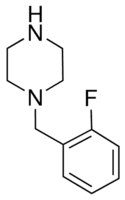
1-(2-Fluorobenzyl)piperazine
C11H15FN2
Chemical Synthesis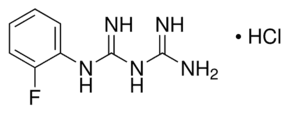
1-(2-Fluorophenyl)biguanide hydrochloride
Chemical Synthesis
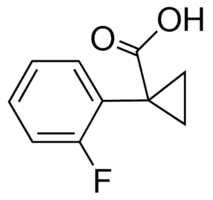
1-(2-Fluorophenyl)cyclopropanecarboxylic acid
C10H9FO2
Chemical Synthesis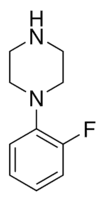
1-(2-Fluorophenyl)piperazine
C10H13FN2
Chemical Synthesis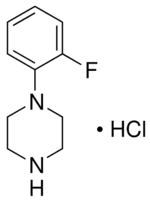
1-(2-Fluorophenyl)piperazine monohydrochloride
C10H13FN2 · HCl
Chemical Synthesis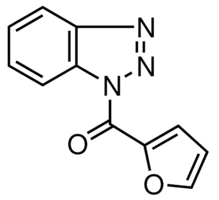
1-(2-Furoyl)-1H-benzotriazole
C11H7N3O2
Chemical Synthesis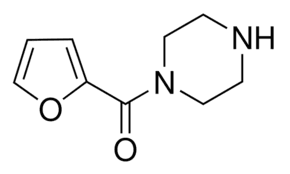
1-(2-Furoyl)piperazine
C9H12N2O2
Chemical Synthesis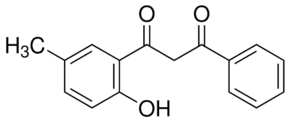
1-(2-Hydroxy-5-methylphenyl)-3-phenyl-1,3-propanedione
Chemical Synthesis
▶ Explore more

Bis(cyclopentadienyl)cobalt(III) hexafluorophosphate
C10H10CoF6P
Catalysis & Inorganic
1-(4-Chlorophenyl)biguanide hydrochloride
ClC6H4NHC(NH)NHC(NH)NH2 · HCl
Chemical Synthesis
Bis(cyclopentadienyl)dimethylzirconium(IV)
Catalysis & Inorganic

1-(4-Chlorophenyl)ethanol
ClC6H4CH(CH3)OH
Chemical Synthesis