Diphenylzinc
Diphenylzinc (CAS: 1078-58-6) is an organozinc compound with the linear formula (C₆H₅)₂Zn and a molecular weight of 219.60 g/mol. It is a pyrophoric solid, meaning it can ignite spontaneously in air, and is primarily employed as a reagent in organic synthesis. Its applications extend to materials science and micro/nanoelectronics, particularly as a precursor for vapor deposition techniques.
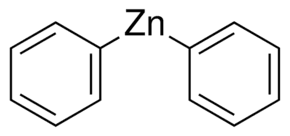
Chemical Synthesis
Diphenylzinc serves as a valuable organometallic reagent in various organic transformations. It is particularly useful for the formation of carbon-carbon bonds through cross-coupling reactions and for the introduction of phenyl groups into organic molecules.
Materials Science and Micro/Nanoelectronics
As a precursor for Chemical Vapor Deposition (CVD) and Atomic Layer Deposition (ALD), diphenylzinc is utilised in the fabrication of thin films. These films can possess unique electronic or optical properties relevant to microelectronic device manufacturing and advanced materials research.
Organozinc Reagent
Diphenylzinc is a key member of the Rieke and organozinc reagent family. It is employed in reactions requiring a source of phenylzinc species, offering controlled reactivity for specific synthetic targets.
| Molecular weight | 219.60 |
|---|---|
| Linear formula | (C6H5)2Zn |
| Assay | 92% |
| Boiling point | 280-285 °C(lit.) |
| Impurities tested | <7.5% benzene |
| Melting point | 102-106 °C(lit.) |


Hazard statements
- H250Catches fire spontaneously if exposed to air
- H340May cause genetic defects
- H350May cause cancer
- H373May cause damage to organs through prolonged exposure
Precautionary statements
- P201Obtain special instructions before use
- P222Do not allow contact with air
- P231Handle under inert gas
- P308IF exposed or concerned
- P422
| Transport (UN / ADR) | UN 3393 4.2(4.3) |
|---|---|
| Water hazard class (WGK, DE) | 3 |
| Hazard codes (EU) | F,T |
| Risk statements (R) | 45-46-17-48/20/21/22 |
| Safety statements (S) | 53-45 |
Hazard information is provided for guidance. Always consult the product Safety Data Sheet (SDS), available on request, before handling.
Documentation
Every batch ships with a Certificate of Analysis covering assay, identity and purity; the grade is confirmed against your enquiry. Safety Data Sheets and technical data sheets are available on request.
Supply & logistics
Samples for technical evaluation; bulk MOQ by grade and packaging. In-stock material ships in 7–10 working days, worldwide, with full export documentation.
What is Diphenylzinc used for?
+
Diphenylzinc is used as a reagent in organic synthesis, for materials science applications, and as a precursor in CVD and ALD processes for micro/nanoelectronics.
What is the CAS number and formula for Diphenylzinc?
+
The CAS number for Diphenylzinc is 1078-58-6, and its linear formula is (C₆H₅)₂Zn.
What grade and purity does Tech Serve Solutions supply?
+
Tech Serve Solutions supplies Diphenylzinc with an assay of 92%. This product is not represented as USP, BP, EP, or other pharmacopoeial grades.
What are the main hazards associated with Diphenylzinc?
+
Diphenylzinc is pyrophoric (ignites spontaneously in air) and poses risks of genetic defects, cancer, and damage to organs through prolonged or repeated exposure. It is classified under GHS with symbols GHS02 and GHS08, and the signal word is Danger.
How is Diphenylzinc packed, shipped, and exported?
+
Diphenylzinc is shipped as a UN 3393 (PYROPHORIC SOLID, ORGANOMETALLIC, LIQUID OR SOLUTION) substance, under hazard class 4.2 (Spontaneously combustible substances) and subsidiary risk 4.3 (Substances which, in contact with water, emit flammable gases).
How can I request a sample or quote for Diphenylzinc?
+
To request a sample or quote, please contact our sales team through the website or by phone, providing your specific requirements.
▶ Related products
1-(2-Fluorobenzyl)piperazine
C11H15FN2
Chemical Synthesis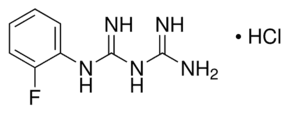
1-(2-Fluorophenyl)biguanide hydrochloride
Chemical Synthesis
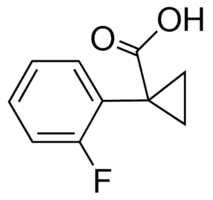
1-(2-Fluorophenyl)cyclopropanecarboxylic acid
C10H9FO2
Chemical Synthesis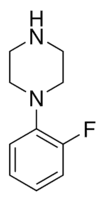
1-(2-Fluorophenyl)piperazine
C10H13FN2
Chemical Synthesis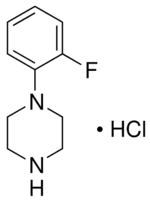
1-(2-Fluorophenyl)piperazine monohydrochloride
C10H13FN2 · HCl
Chemical Synthesis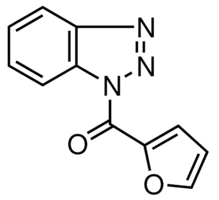
1-(2-Furoyl)-1H-benzotriazole
C11H7N3O2
Chemical Synthesis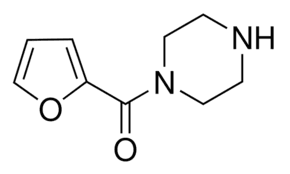
1-(2-Furoyl)piperazine
C9H12N2O2
Chemical Synthesis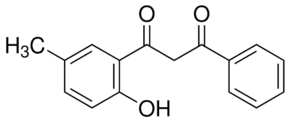
1-(2-Hydroxy-5-methylphenyl)-3-phenyl-1,3-propanedione
Chemical Synthesis