Dimethylthiocarbamoyl chloride
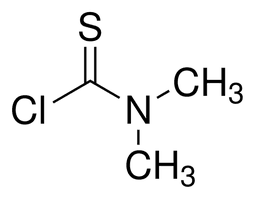
Dimethylthiocarbamoyl chloride (CAS 16420-13-6), with the linear formula (CH3)2NCSCl and a molecular weight of 123.60 g/mol, is a valuable organic building block. This sulfur compound is primarily utilised in chemical synthesis for various organic transformations. Its reactivity makes it a key reagent in the creation of diverse chemical structures, including thiocarbonyl compounds and complex organic molecules.
Deoxygenation of Pyridine-N-oxides
Dimethylthiocarbamoyl chloride serves as a reagent in the chemoselective deoxygenation of pyridine-N-oxides, a crucial step in certain synthetic pathways.
Synthesis of Organic Compounds
It has been employed in the synthesis of complex organic molecules, such as (±)-thia-calanolide A, showcasing its utility in multi-step organic synthesis.
Preparation of Dimethylthiocarbamates
This compound acts as a starting reagent for the synthesis of various dimethylthiocarbamates, contributing to the field of sulfur chemistry.
| Molecular weight | 123.60 |
|---|---|
| Linear formula | (CH3)2NCSCl |
| Assay | 97% |
| Boiling point | 90-95 °C/0.5 mmHg(lit.) |
| Solubility | chloroform: soluble100 mg/mL, clear to very slightly hazy, very faintly yellow |
| Storage temperature | 2-8°C |
| Application | Dimethylthiocarbamoyl chloride was used in chemoselective deoxygenation of pyridine-N-oxides1. It was used in the synthesis of (±)-thia-calanolide A2. It was used as starting reagent in the synthesis of dimethylthiocarbamates3. |
| Melting point | 39-43 °C(lit.) |


Hazard statements
- H302Harmful if swallowed
- H314Causes severe skin burns and eye damage
- H317May cause an allergic skin reaction
Precautionary statements
- P280Wear protective gloves, clothing and eye/face protection
- P305IF IN EYES
- P310Immediately call a POISON CENTER or doctor
| Protective equipment | Eyeshields, Faceshields, full-face particle respirator type N100 (US), Gloves, respirator cartridge type N100 (US), type P1 (EN143) respirator filter, type P3 (EN 143) respirator cartridges |
|---|---|
| Flash point | 98 °C / 208.4 °F |
| Transport (UN / ADR) | UN 3261 8 / PGII |
| Water hazard class (WGK, DE) | 2 |
| Hazard codes (EU) | C |
| Risk statements (R) | 22-34 |
| Safety statements (S) | 26-36/37/39-45 |
Hazard information is provided for guidance. Always consult the product Safety Data Sheet (SDS), available on request, before handling.
Documentation
Every batch ships with a Certificate of Analysis covering assay, identity and purity; the grade is confirmed against your enquiry. Safety Data Sheets and technical data sheets are available on request.
Supply & logistics
Samples for technical evaluation; bulk MOQ by grade and packaging. In-stock material ships in 7–10 working days, worldwide, with full export documentation.
What is Dimethylthiocarbamoyl chloride used for?
+
Dimethylthiocarbamoyl chloride is used in organic synthesis, including the chemoselective deoxygenation of pyridine-N-oxides, synthesis of compounds like (±)-thia-calanolide A, and as a starting reagent for dimethylthiocarbamates.
What is the CAS number and formula for Dimethylthiocarbamoyl chloride?
+
The CAS number is 16420-13-6 and the linear formula is (CH3)2NCSCl.
What grade and purity does Tech Serve Solutions supply?
+
Tech Serve Solutions supplies Dimethylthiocarbamoyl chloride with an assay of 97%. We do not represent this product as USP, BP, or EP grade.
How should Dimethylthiocarbamoyl chloride be handled safely?
+
Dimethylthiocarbamoyl chloride is a danger to health, causing severe skin burns and eye damage, and may cause an allergic skin reaction (H314, H317). Appropriate personal protective equipment, including gloves, eyeshields, and respiratory protection, must be used. Handle only in a well-ventilated area. Refer to the Safety Data Sheet for comprehensive handling information.
How is Dimethylthiocarbamoyl chloride packed and exported?
+
Dimethylthiocarbamoyl chloride is shipped under UN 3261, Class 8, Packing Group II. TSS is a specialist global supplier and exporter of fine chemicals.
How can I request a sample or quote for Dimethylthiocarbamoyl chloride?
+
Please contact our sales team via the website to request a sample or a formal quotation for Dimethylthiocarbamoyl chloride.
▶ Related products
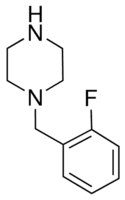
1-(2-Fluorobenzyl)piperazine
C11H15FN2
Chemical Synthesis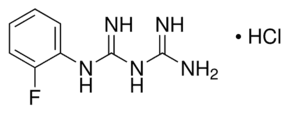
1-(2-Fluorophenyl)biguanide hydrochloride
Chemical Synthesis
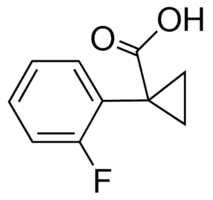
1-(2-Fluorophenyl)cyclopropanecarboxylic acid
C10H9FO2
Chemical Synthesis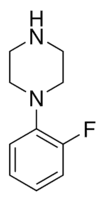
1-(2-Fluorophenyl)piperazine
C10H13FN2
Chemical Synthesis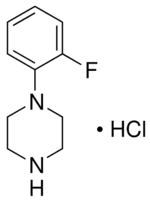
1-(2-Fluorophenyl)piperazine monohydrochloride
C10H13FN2 · HCl
Chemical Synthesis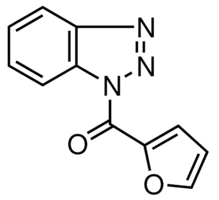
1-(2-Furoyl)-1H-benzotriazole
C11H7N3O2
Chemical Synthesis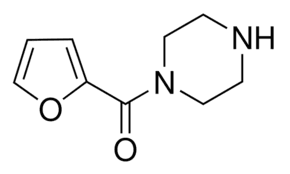
1-(2-Furoyl)piperazine
C9H12N2O2
Chemical Synthesis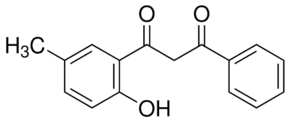
1-(2-Hydroxy-5-methylphenyl)-3-phenyl-1,3-propanedione
Chemical Synthesis