
Dimethyl 2,2′-bipyridine-4,4′-dicarboxylate
Dimethyl 2,2′-bipyridine-4,4′-dicarboxylate (CAS 71071-46-0), with the molecular formula C14H12N2O4 and a molecular weight of 272.26, is a heterocyclic organic compound. It serves as a valuable building block in chemical synthesis, particularly for researchers and manufacturers requiring pyridine derivatives. Its structure lends itself to applications in materials science and coordination chemistry, making it a versatile reagent for complex molecular design.
- IUPAC
- 4,4′-Bis(methoxycarbonyl)-2,2′-bipyridine,4,4′-Dimethoxycarbonyl-2,2′-bipyridine,NSC 297840,[2,2′-Bipyridine]-4,4′-dicarboxylic acid 4,4′-dimethyl ester
- Synonyms
- 71071-46-0C14H12N2O44,4′-Bis(methoxycarbonyl)-2,2′-bipyridine4,4′-Dimethoxycarbonyl-2,2′-bipyridine[2,2′-Bipyridine]-4,4′-dicarboxylic acid 4,4′-dimethyl ester

Organic Synthesis Intermediate
This compound is a key intermediate in the synthesis of more complex organic molecules. Its bipyridine core and ester functionalities allow for diverse chemical transformations, facilitating the creation of novel compounds for research and development.
Ligand Synthesis for Coordination Chemistry
The 2,2′-bipyridine moiety is a well-known chelating group. Dimethyl 2,2′-bipyridine-4,4′-dicarboxylate can be used to synthesise specialised ligands for transition metal complexes, influencing their catalytic, photophysical, or electrochemical properties.
Materials Science Research
The structural features of this molecule make it suitable for incorporation into polymers or supramolecular assemblies. It can be used in the development of functional materials with specific optical or electronic characteristics.
| Molecular weight | 272.26 |
|---|---|
| Empirical formula | C14H12N2O4 |
| Assay | ≥98.0% (HPLC) |
| Impurities tested | ≤1.0% water |
| Melting point | 208-212 °C |


Hazard statements
- H315Causes skin irritation
- H318Causes serious eye damage
- H335May cause respiratory irritation
Precautionary statements
- P261Avoid breathing dust, fume, gas or vapours
- P280Wear protective gloves, clothing and eye/face protection
- P305IF IN EYES
| Water hazard class (WGK, DE) | 3 |
|---|---|
| Hazard codes (EU) | Xi |
| Risk statements (R) | 37/38-41 |
| Safety statements (S) | 26-39 |
Hazard information is provided for guidance. Always consult the product Safety Data Sheet (SDS), available on request, before handling.
Documentation
Every batch ships with a Certificate of Analysis covering assay, identity and purity; the grade is confirmed against your enquiry. Safety Data Sheets and technical data sheets are available on request.
Supply & logistics
Samples for technical evaluation; bulk MOQ by grade and packaging. In-stock material ships in 7–10 working days, worldwide, with full export documentation.
What is Dimethyl 2,2′-bipyridine-4,4′-dicarboxylate used for?
+
Dimethyl 2,2′-bipyridine-4,4′-dicarboxylate is primarily used as a building block in organic synthesis, for creating specialised ligands in coordination chemistry, and in materials science research.
What is the CAS number and molecular formula for this compound?
+
The CAS number is 71071-46-0, and the molecular formula is C14H12N2O4.
What grade and purity does Tech Serve Solutions supply?
+
Tech Serve Solutions supplies Dimethyl 2,2′-bipyridine-4,4′-dicarboxylate with a purity of ≥98.0% determined by HPLC. This is a technical grade suitable for research and chemical synthesis, and TSS does not represent it as USP, BP, or EP grade.
What are the main safety hazards associated with this chemical?
+
This compound is classified as Danger, with hazards including skin irritation (H315), serious eye damage (H318), and respiratory irritation (H335). Appropriate personal protective equipment, such as gloves, eye protection, and respiratory protection, should be used, and it should be handled in a well-ventilated area. Refer to the Safety Data Sheet for full details.
How is this chemical packed and shipped?
+
Tech Serve Solutions packs and ships chemicals in compliance with international regulations for the safe transport of hazardous materials. We export globally to meet the needs of research institutions and industrial clients.
How can I request a sample or a quote for Dimethyl 2,2′-bipyridine-4,4′-dicarboxylate?
+
To request a sample or a quote, please visit the Tech Serve Solutions website or contact our sales team directly with your inquiry.
▶ Related products
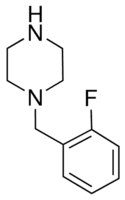
1-(2-Fluorobenzyl)piperazine
C11H15FN2
Chemical Synthesis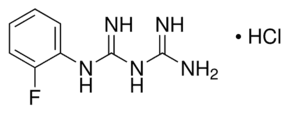
1-(2-Fluorophenyl)biguanide hydrochloride
Chemical Synthesis
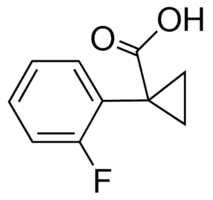
1-(2-Fluorophenyl)cyclopropanecarboxylic acid
C10H9FO2
Chemical Synthesis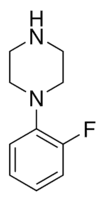
1-(2-Fluorophenyl)piperazine
C10H13FN2
Chemical Synthesis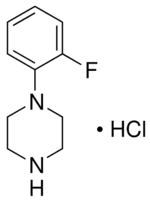
1-(2-Fluorophenyl)piperazine monohydrochloride
C10H13FN2 · HCl
Chemical Synthesis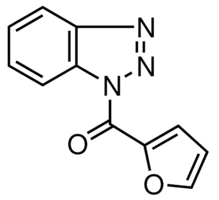
1-(2-Furoyl)-1H-benzotriazole
C11H7N3O2
Chemical Synthesis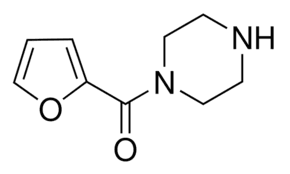
1-(2-Furoyl)piperazine
C9H12N2O2
Chemical Synthesis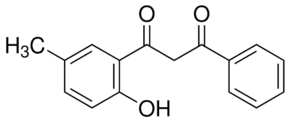
1-(2-Hydroxy-5-methylphenyl)-3-phenyl-1,3-propanedione
Chemical Synthesis
▶ Explore more

Bis(cyclopentadienyl)cobalt(III) hexafluorophosphate
C10H10CoF6P
Catalysis & Inorganic
1-(4-Chlorophenyl)biguanide hydrochloride
ClC6H4NHC(NH)NHC(NH)NH2 · HCl
Chemical Synthesis
Bis(cyclopentadienyl)dimethylzirconium(IV)
Catalysis & Inorganic

1-(4-Chlorophenyl)ethanol
ClC6H4CH(CH3)OH
Chemical Synthesis