
Diisopropyl azodicarboxylate
Diisopropyl azodicarboxylate (CAS: 2446-83-5), a key reagent in organic synthesis, is primarily recognised for its role in the Mitsunobu reaction and various C-X bond formations. With a molecular weight of 202.21 g/mol, this compound serves as a reactant in the preparation of diverse molecular structures, including chromenes, hepatitis C virus inhibitors, and novel polymers. Its utility extends to the synthesis of complex organic dyes and potential therapeutic agents, making it a valuable tool for researchers and synthetic chemists.
- IUPAC
- DIAD,Diisopropyl azodiformate
- Synonyms
- DIADDiisopropyl azodiformate
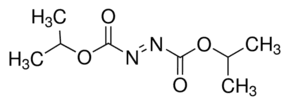
Mitsunobu Reaction Reagent
Diisopropyl azodicarboxylate is widely employed as an oxidising agent in the Mitsunobu reaction, facilitating the inversion of stereochemistry during nucleophilic substitution reactions. It is essential for the synthesis of esters, ethers, and azides under mild conditions.
Synthesis of Biologically Active Compounds
This compound is a precursor in the preparation of various molecules with potential biological activity. Examples include chromenes resembling cannabinoids, inhibitors of the hepatitis C virus NS5B polymerase (MK-3281), and analogues of Pseudomonas aeruginosa quorum-sensing molecules.
Polymer Synthesis
Diisopropyl azodicarboxylate is used in the creation of norbornene-based guanidine-rich polymers. These polymers mimic cell-penetrating peptides (CPP) and are explored for applications in drug delivery and biomaterials.
Organic Dye Synthesis
It serves as a reactant in the synthesis of acceptor-donor-acceptor organic dyes. These dyes are investigated for their application in dye-sensitized solar cells (DSSCs), contributing to advancements in renewable energy technologies.
Preparation of Heterocycles and Derivatives
The reagent is utilized in the synthesis of 1,3-dioxane-2-carboxylic acid derivatives, which are explored as PPARα/γ dual agonists for potential therapeutic applications. It also facilitates the synthesis of hydrazinophosphonates and hydrazinobisphosphonates.
| Molecular weight | 202.21 |
|---|---|
| Linear formula | (CH3)2CHOOCN=NCOOCH(CH3)2 |
| Assay | 98% |
| Boiling point | 75 °C/0.25 mmHg(lit.) |
| Density | 1.027 g/mL at 25 °C(lit.) |
| Refractive index | n20/D 1.420(lit.) |
| Storage temperature | 2-8°C |
| Impurities tested | ≤2% dichloromethane |
| Application | Reactant for preparation of:• Chromenes resembling classical cannabinoids1• MK-3281 inhibitor of the hepatitis C virus NS5B polymerase2• Norbornene-based guanidine-rich polymers as mimcs of cell-penetrating peptides (CPP)3• Analogues of the Pseudomonas aeruginosa quorum-sensing molecule N-(3-Oxododecanoyl)-l-homoserine lactone with immunosuppressive but non-LasR-inducing properties4• Acceptor-donor-acceptor organic dyes for dye-sensitized solar cells5• 1,3-dioxane-2-carboxylic acid derivatives as PPARα/γ dual agonists6• Hydrazinophosphonates and hydrazinobisphosphonates via Mitsunobu and Arbuzov-type multicomponent application of the Morrison-Brunn-Huisgen betaine7 |


Hazard statements
- H315Causes skin irritation
- H319Causes serious eye irritation
- H335May cause respiratory irritation
- H351Suspected of causing cancer
- H373May cause damage to organs through prolonged exposure
- H411Toxic to aquatic life with long-lasting effects
Precautionary statements
- P261Avoid breathing dust, fume, gas or vapours
- P273Avoid release to the environment
- P281Use personal protective equipment as required
- P305IF IN EYES
| Protective equipment | Eyeshields, Faceshields, full-face respirator (US), Gloves, multi-purpose combination respirator cartridge (US), type ABEK (EN14387) respirator filter |
|---|---|
| Flash point | 106 °C / 222.8 °F |
| Transport (UN / ADR) | UN 3082 9 / PGIII |
| Water hazard class (WGK, DE) | 2 |
| Hazard codes (EU) | Xn,N |
| Risk statements (R) | 36/37/38-40-48/20/22-51/53 |
| Safety statements (S) | 26-36/37-61 |
Hazard information is provided for guidance. Always consult the product Safety Data Sheet (SDS), available on request, before handling.
Documentation
Every batch ships with a Certificate of Analysis covering assay, identity and purity; the grade is confirmed against your enquiry. Safety Data Sheets and technical data sheets are available on request.
Supply & logistics
Samples for technical evaluation; bulk MOQ by grade and packaging. In-stock material ships in 7–10 working days, worldwide, with full export documentation.
What is Diisopropyl azodicarboxylate used for?
+
Diisopropyl azodicarboxylate (DIAD) is primarily used as an oxidising agent in the Mitsunobu reaction, facilitating stereochemical inversion in nucleophilic substitution reactions. It also serves as a reactant in the synthesis of various organic compounds, including chromenes, potential drug molecules, polymers, and organic dyes for solar cells.
What is the CAS number and chemical formula for Diisopropyl azodicarboxylate?
+
The CAS number for Diisopropyl azodicarboxylate is 2446-83-5, and its linear formula is (CH3)2CHOCN=NOCH(CH3)2.
What grade and purity does Tech Serve Solutions supply for Diisopropyl azodicarboxylate?
+
Tech Serve Solutions supplies Diisopropyl azodicarboxylate with an assay of 98%. This product is supplied for research and development purposes and is not represented as USP, BP, EP, or pharmacopoeia grade.
How should Diisopropyl azodicarboxylate be handled safely?
+
Diisopropyl azodicarboxylate requires careful handling due to its hazardous properties (H315, H319, H335, H351, H373, H411). Appropriate personal protective equipment, including eyeshields, gloves, and a suitable respirator, must be used. Work should be conducted in a well-ventilated area, and contact with skin, eyes, and clothing should be avoided. It is classified as harmful if inhaled, causes skin and eye irritation, and is suspected of causing cancer, and may cause damage to organs through prolonged or repeated exposure, and is toxic to aquatic life with long-lasting effects.
How is Diisopropyl azodicarboxylate shipped and exported by TSS?
+
Diisopropyl azodicarboxylate is shipped and exported adhering to all relevant transport regulations, including UN 3082, Class 9, Packing Group III. Tech Serve Solutions has extensive experience in global export.
How can I request a sample or quote for Diisopropyl azodicarboxylate?
+
To request a sample or a quote for Diisopropyl azodicarboxylate, please use the 'Request a Quote' or 'Sample Request' button on our product page, or contact our sales team directly.
▶ Related products
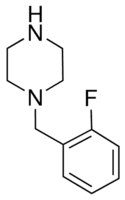
1-(2-Fluorobenzyl)piperazine
C11H15FN2
Chemical Synthesis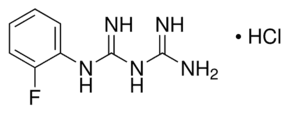
1-(2-Fluorophenyl)biguanide hydrochloride
Chemical Synthesis
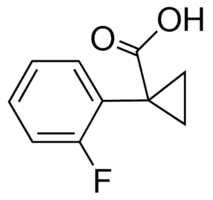
1-(2-Fluorophenyl)cyclopropanecarboxylic acid
C10H9FO2
Chemical Synthesis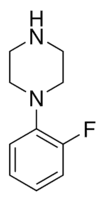
1-(2-Fluorophenyl)piperazine
C10H13FN2
Chemical Synthesis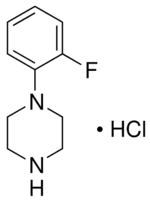
1-(2-Fluorophenyl)piperazine monohydrochloride
C10H13FN2 · HCl
Chemical Synthesis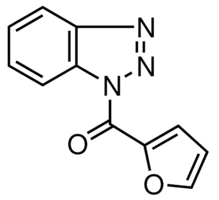
1-(2-Furoyl)-1H-benzotriazole
C11H7N3O2
Chemical Synthesis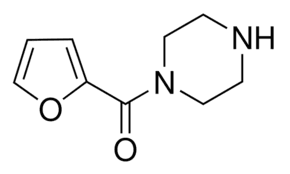
1-(2-Furoyl)piperazine
C9H12N2O2
Chemical Synthesis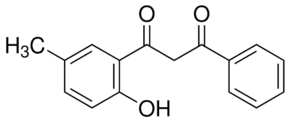
1-(2-Hydroxy-5-methylphenyl)-3-phenyl-1,3-propanedione
Chemical Synthesis
▶ Explore more

Bis(cyclopentadienyl)cobalt(III) hexafluorophosphate
C10H10CoF6P
Catalysis & Inorganic
1-(4-Chlorophenyl)biguanide hydrochloride
ClC6H4NHC(NH)NHC(NH)NH2 · HCl
Chemical Synthesis
Bis(cyclopentadienyl)dimethylzirconium(IV)
Catalysis & Inorganic

1-(4-Chlorophenyl)ethanol
ClC6H4CH(CH3)OH
Chemical Synthesis