Dihydromyricetin
Dihydromyricetin (CAS: 27200-12-0; Formula: C15H12O8) is a naturally occurring flavonoid with potent antioxidant and cytoprotective properties. This white to beige powder, with a molecular weight of 320.25 g/mol, is recognised for its role in cellular defence mechanisms. It is primarily utilised in research settings for its effects on cell stress, signalling pathways, and neurotransmission.
- IUPAC
- (2R,3R)-3,5,7-Trihydroxy-2-(3,4,5-trihydroxyphenyl)-2,3-dihydrochromen-4-one,Ampelopsin,DHM
- Synonyms
- AmpelopsinDHM

Antioxidant Research
Dihydromyricetin is employed in studies investigating cellular defence against oxidative stress. Its capacity to scavenge free radicals makes it a valuable tool for understanding cellular protection mechanisms.
Neuroscience Research
The compound is used in neuroscience to explore its influence on neurotransmission and neuronal signalling. Research may focus on its potential modulation of GABAergic pathways and cell stress in neural tissues.
Cytoprotective Studies
Its cytoprotective effects are investigated in various cell biology contexts. This includes examining its role in mitigating cellular damage under stress conditions and its impact on cell viability.
| Molecular weight | 320.25 |
|---|---|
| Empirical formula | C15H12O8 |
| Assay | ≥98% (HPLC) |
| Form | powder |
| Colour | white to beige |
| Solubility | DMSO: ≥5 mg/mL (warmed) |
| Storage temperature | −20°C |
| Storage Condition | protect from light |
|---|
Documentation
Every batch ships with a Certificate of Analysis covering assay, identity and purity; the grade is confirmed against your enquiry. Safety Data Sheets and technical data sheets are available on request.
Supply & logistics
Samples for technical evaluation; bulk MOQ by grade and packaging. In-stock material ships in 7–10 working days, worldwide, with full export documentation.
What is Dihydromyricetin used for?
+
Dihydromyricetin (CAS: 27200-12-0) is used in scientific research, primarily for investigating its antioxidant, cytoprotective, and neuroprotective properties. It is studied for its effects on cell stress, signalling pathways, and neurotransmission.
What is the CAS number and chemical formula for Dihydromyricetin?
+
The CAS number for Dihydromyricetin is 27200-12-0, and its empirical formula is C15H12O8.
What grade and purity does Tech Serve Solutions supply?
+
Tech Serve Solutions supplies Dihydromyricetin with a purity of ≥98% (HPLC). This product is intended for research and laboratory use, and is not represented as USP, BP, EP, or pharmacopoeia grade.
What are the safety and handling recommendations for Dihydromyricetin?
+
Dihydromyricetin has a WGK Germany rating of 3, indicating it is hazardous to water. It should be handled with appropriate personal protective equipment in a well-ventilated area. Store at -20°C, protected from light, and note its solubility in DMSO (≥5 mg/mL, warmed).
How is Dihydromyricetin packaged, shipped, and exported?
+
Dihydromyricetin is typically supplied as a white to beige powder and packaged securely to maintain stability during transport. As a global supplier, Tech Serve Solutions manages the export of this chemical according to international regulations.
How can I request a quote or sample for Dihydromyricetin?
+
To request a quote or a sample of Dihydromyricetin, please contact the Tech Serve Solutions sales team through our website or by telephone, providing your specific requirements.
▶ Related products
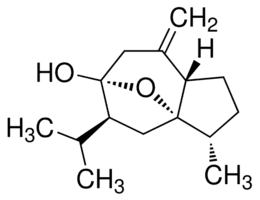
(−)-Curcumol
C15H24O2
Cell Biology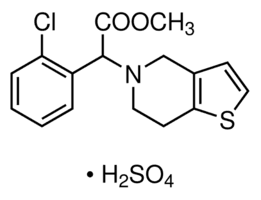
(±) Clopidogrel hydrogensulfate
Cell Biology
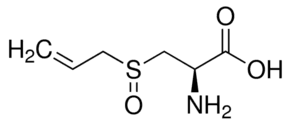
(±)-L-Alliin
C6H11NO3S
Cell Biology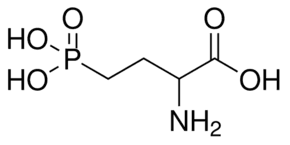
(±)-2-Amino-4-phosphonobutyric acid
C4H10NO5P
Cell Biology
(±)-2-Methylarachidonoyl-2′-fluoroethylamide
C23H38NOF
Cell Biology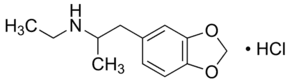
(±)-3,4-Methylenedioxy-N-ethylamphetamine hydrochloride
Cell Biology
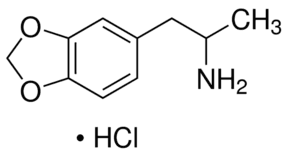
(±)-3,4-Methylenedioxyamphetamine hydrochloride
Cell Biology
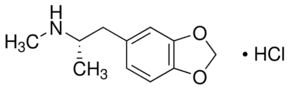
(±)-3,4-Methylenedioxymethamphetamine hydrochloride
Cell Biology