
Dicyclopentadiene
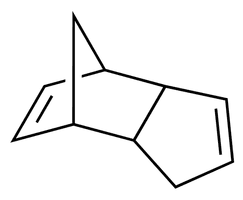
Dicyclopentadiene (CAS: 77-73-6), a cyclic alkene with the formula C10H12, is a key chemical intermediate. It is a colourless liquid at room temperature, though it can solidify, and possesses a characteristic odour. Dicyclopentadiene is primarily utilised as a monomer in the production of various polymers and resins, including unsaturated polyesters, hydrocarbon resins, and EPDM elastomers, finding broad application in the materials science and chemical synthesis industries.
- IUPAC
- 4,7-Methano-3a,4,7,7a-tetrahydroindene,Cyclopentadiene dimer,DCPD
- Synonyms
- 4,7-Methano-3a,4,7,7a-tetrahydroindeneCyclopentadiene dimerDCPD
Polymer and Resin Production
Dicyclopentadiene serves as a crucial monomer for synthesizing polymers and resins. It is integral to the production of unsaturated polyester resins, which are widely used in reinforced plastics, coatings, and adhesives. It also finds application in hydrocarbon resins for printing inks and adhesives, and in EPDM elastomers for automotive and construction sectors.
Chemical Synthesis Intermediate
As a versatile building block, dicyclopentadiene is employed in the synthesis of a range of organic compounds. Its reactive diene structure allows for participation in Diels-Alder reactions and other cycloadditions, leading to the formation of complex cyclic molecules used in pharmaceuticals and agrochemicals.
Specialty Chemicals Manufacturing
This compound is a precursor for various specialty chemicals, including certain flame retardants and pesticides. Its unique cyclic structure and reactivity make it valuable in developing advanced materials and fine chemical intermediates.
| Molecular weight | 132.20 |
|---|---|
| Empirical formula | C10H12 |
| Boiling point | 170 °C(lit.) |
| Density | 0.986 g/mL at 25 °C(lit.) |
| Contains / stabiliser | BHT as stabilizer |
| Melting point | 33 °C(lit.) |


Hazard statements
- H226Flammable liquid and vapour
- H302Harmful if swallowed
- H315Causes skin irritation
- H319Causes serious eye irritation
- H330Fatal if inhaled
- H335May cause respiratory irritation
- H411Toxic to aquatic life with long-lasting effects
Precautionary statements
- P260Do not breathe dust, fume, gas, mist, vapours or spray
- P273Avoid release to the environment
- P284Wear respiratory protection
- P305IF IN EYES
- P310Immediately call a POISON CENTER or doctor
| Protective equipment | Eyeshields, Faceshields, full-face respirator (US), Gloves, multi-purpose combination respirator cartridge (US), type ABEK (EN14387) respirator filter |
|---|---|
| Flash point | 32 °C / 89.6 °F |
| Transport (UN / ADR) | UN 2048 3 / PGIII |
| Water hazard class (WGK, DE) | 2 |
| Hazard codes (EU) | F,Xn,N |
| Risk statements (R) | 11-20/22-36/37/38-51/53 |
| Safety statements (S) | 36/37-61 |
Hazard information is provided for guidance. Always consult the product Safety Data Sheet (SDS), available on request, before handling.
Documentation
Every batch ships with a Certificate of Analysis covering assay, identity and purity; the grade is confirmed against your enquiry. Safety Data Sheets and technical data sheets are available on request.
Supply & logistics
Samples for technical evaluation; bulk MOQ by grade and packaging. In-stock material ships in 7–10 working days, worldwide, with full export documentation.
What is Dicyclopentadiene used for?
+
Dicyclopentadiene is primarily used as a monomer in the production of unsaturated polyester resins, hydrocarbon resins, EPDM elastomers, and other polymers. It also serves as an intermediate in the synthesis of various organic chemicals and specialty materials.
What is the CAS number and formula for Dicyclopentadiene?
+
The CAS number for Dicyclopentadiene is 77-73-6, and its chemical formula is C10H12.
What grade and purity does Tech Serve Solutions supply for Dicyclopentadiene?
+
Tech Serve Solutions supplies Dicyclopentadiene with a purity of 98%. This product is typically suitable for research and industrial applications, and TSS does not represent it as meeting USP, BP, or EP pharmacopoeial standards.
How should Dicyclopentadiene be handled safely?
+
Dicyclopentadiene is a flammable liquid and vapour, is harmful if swallowed, causes skin and serious eye irritation, is toxic if inhaled, and may cause respiratory irritation. It is also toxic to aquatic life with long-lasting effects. Always handle with appropriate personal protective equipment, including eyeshields, gloves, and a suitable respirator, in a well-ventilated area. Refer to the Safety Data Sheet for comprehensive handling instructions.
How is Dicyclopentadiene shipped and exported?
+
Dicyclopentadiene is classified as UN 2048, Hazard Class 3, Packing Group III. Tech Serve Solutions can facilitate global shipping and export of this chemical in compliance with all relevant transportation regulations.
How can I request a quote or sample for Dicyclopentadiene?
+
To request a quote or sample of Dicyclopentadiene, please contact our sales team through the website or call us directly. Our team will be pleased to assist you with your requirements.
▶ Related products
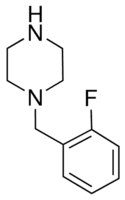
1-(2-Fluorobenzyl)piperazine
C11H15FN2
Chemical Synthesis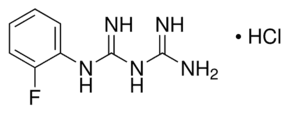
1-(2-Fluorophenyl)biguanide hydrochloride
Chemical Synthesis
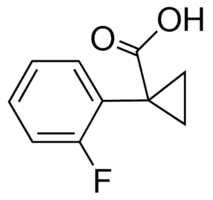
1-(2-Fluorophenyl)cyclopropanecarboxylic acid
C10H9FO2
Chemical Synthesis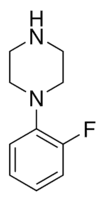
1-(2-Fluorophenyl)piperazine
C10H13FN2
Chemical Synthesis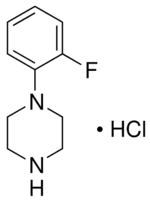
1-(2-Fluorophenyl)piperazine monohydrochloride
C10H13FN2 · HCl
Chemical Synthesis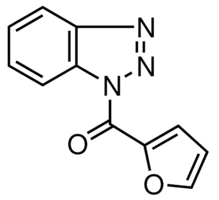
1-(2-Furoyl)-1H-benzotriazole
C11H7N3O2
Chemical Synthesis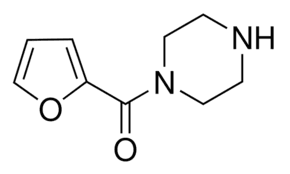
1-(2-Furoyl)piperazine
C9H12N2O2
Chemical Synthesis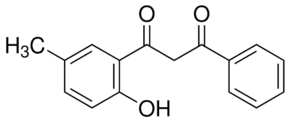
1-(2-Hydroxy-5-methylphenyl)-3-phenyl-1,3-propanedione
Chemical Synthesis
▶ Explore more

Bis(cyclopentadienyl)cobalt(III) hexafluorophosphate
C10H10CoF6P
Catalysis & Inorganic
1-(4-Chlorophenyl)biguanide hydrochloride
ClC6H4NHC(NH)NHC(NH)NH2 · HCl
Chemical Synthesis
Bis(cyclopentadienyl)dimethylzirconium(IV)
Catalysis & Inorganic

1-(4-Chlorophenyl)ethanol
ClC6H4CH(CH3)OH
Chemical Synthesis