
Dicyclohexano-18-crown-6
Dicyclohexano-18-crown-6 (CAS: 16069-36-6, C20H36O6) is a versatile crown ether with a molecular weight of 372.50 g/mol. It functions effectively as an anion activator and a complexing agent, known for its ability to solubilize alkali metal ions within non-polar solvents. This property makes it valuable in various chemical synthesis and complexation applications where selective ion binding is required.
- IUPAC
- 2,3,11,12-Dicyclohexano-1,4,7,10,13,16-hexaoxacyclooctadecane,2,5,8,15,18,21-Hexaoxatricyclo[20.4.0.09.14]hexacosane,Dicyclohexyl-18-crown-6,Perhydro-dibenzo-18-crown-6
- Synonyms
- 2,3,11,12-Dicyclohexano-1,4,7,10,13,16-hexaoxacyclooctadecane2,5,8,15,18,21-Hexaoxatricyclo[20.4.0.09.14]hexacosaneDicyclohexyl-18-crown-6Perhydro-dibenzo-18-crown-6
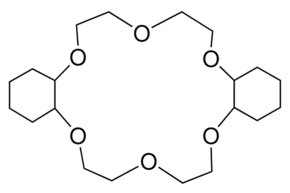
Anion Activation
Dicyclohexano-18-crown-6 serves as an effective anion activator. It facilitates reactions by enhancing the solubility and reactivity of anionic species in organic media.
Complexation Agent
This crown ether is a potent complexing agent, capable of selectively binding and solubilizing alkali metal ions, such as potassium, in non-polar solvents. This characteristic is crucial for phase-transfer catalysis and ion-selective extractions.
Chemical Synthesis
Utilised in organic synthesis, Dicyclohexano-18-crown-6 aids in promoting reactions that involve alkali metal salts by improving their solubility and accessibility in non-polar reaction environments.
| Molecular weight | 372.50 |
|---|---|
| Empirical formula | C20H36O6 |
| Assay | 98% |
| Application | Anion activator,1 and complexing agent which solubilizes alkali metal ions in non-polar solvents.2,3 |

Hazard statements
- H301Toxic if swallowed
- H311Toxic in contact with skin
- H315Causes skin irritation
- H319Causes serious eye irritation
- H331Toxic if inhaled
- H335May cause respiratory irritation
Precautionary statements
- P261Avoid breathing dust, fume, gas or vapours
- P280Wear protective gloves, clothing and eye/face protection
- P301IF SWALLOWED
- P305IF IN EYES
- P311Call a POISON CENTER or doctor
| Protective equipment | Eyeshields, Faceshields, Gloves, type P2 (EN 143) respirator cartridges |
|---|---|
| Flash point | 113 °C / 235.4 °F |
| Transport (UN / ADR) | UN 2811 6.1 / PGIII |
| Water hazard class (WGK, DE) | 3 |
| Hazard codes (EU) | T |
| Risk statements (R) | 23/24/25-36/37/38 |
| Safety statements (S) | 26-36/37/39-45 |
Hazard information is provided for guidance. Always consult the product Safety Data Sheet (SDS), available on request, before handling.
Documentation
Every batch ships with a Certificate of Analysis covering assay, identity and purity; the grade is confirmed against your enquiry. Safety Data Sheets and technical data sheets are available on request.
Supply & logistics
Samples for technical evaluation; bulk MOQ by grade and packaging. In-stock material ships in 7–10 working days, worldwide, with full export documentation.
What is Dicyclohexano-18-crown-6 used for?
+
Dicyclohexano-18-crown-6 is primarily used as an anion activator and a complexing agent to solubilize alkali metal ions in non-polar solvents. It finds applications in chemical synthesis and complexation studies.
What are the CAS number and formula for Dicyclohexano-18-crown-6?
+
The CAS number for Dicyclohexano-18-crown-6 is 16069-36-6, and its empirical formula is C20H36O6.
What grade and purity does Tech Serve Solutions supply?
+
Tech Serve Solutions supplies Dicyclohexano-18-crown-6 with an assay of 98%. This is a high-purity product suitable for research and synthesis; it is not supplied as USP, BP, EP, or pharmacopoeia grade.
What are the primary safety concerns when handling Dicyclohexano-18-crown-6?
+
Dicyclohexano-18-crown-6 is classified as Danger. It is toxic if swallowed (H301), toxic in contact with skin (H311), causes skin irritation (H315), causes serious eye irritation (H319), toxic if inhaled (H331), and may cause respiratory irritation (H335). Appropriate personal protective equipment including eyeshields, faceshields, gloves, and a P2 respirator cartridge must be used.
How is Dicyclohexano-18-crown-6 packed, shipped, and exported?
+
Dicyclohexano-18-crown-6 is supplied under UN 2811 classification (Toxic solid, organic, n.o.s.), hazard class 6.1, packing group III. Tech Serve Solutions ensures compliant packaging and export documentation for this hazardous material.
How can I request a sample or quote for Dicyclohexano-18-crown-6?
+
To request a sample or a quotation for Dicyclohexano-18-crown-6, please contact our sales team via the website or direct inquiry, providing your contact details and intended application.
▶ Related products
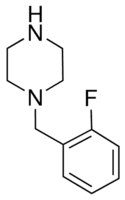
1-(2-Fluorobenzyl)piperazine
C11H15FN2
Chemical Synthesis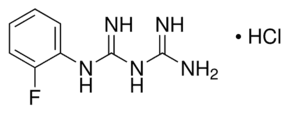
1-(2-Fluorophenyl)biguanide hydrochloride
Chemical Synthesis
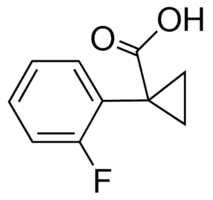
1-(2-Fluorophenyl)cyclopropanecarboxylic acid
C10H9FO2
Chemical Synthesis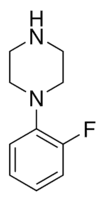
1-(2-Fluorophenyl)piperazine
C10H13FN2
Chemical Synthesis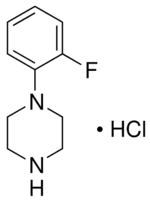
1-(2-Fluorophenyl)piperazine monohydrochloride
C10H13FN2 · HCl
Chemical Synthesis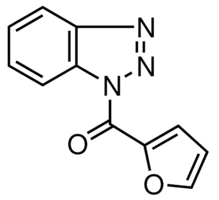
1-(2-Furoyl)-1H-benzotriazole
C11H7N3O2
Chemical Synthesis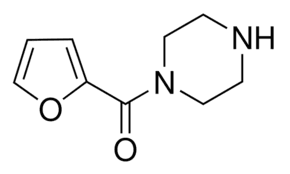
1-(2-Furoyl)piperazine
C9H12N2O2
Chemical Synthesis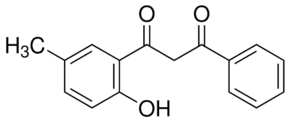
1-(2-Hydroxy-5-methylphenyl)-3-phenyl-1,3-propanedione
Chemical Synthesis
▶ Explore more

Bis(cyclopentadienyl)cobalt(III) hexafluorophosphate
C10H10CoF6P
Catalysis & Inorganic
1-(4-Chlorophenyl)biguanide hydrochloride
ClC6H4NHC(NH)NHC(NH)NH2 · HCl
Chemical Synthesis
Bis(cyclopentadienyl)dimethylzirconium(IV)
Catalysis & Inorganic

1-(4-Chlorophenyl)ethanol
ClC6H4CH(CH3)OH
Chemical Synthesis