
Dichloromethane
Dichloromethane (CAS: 75-09-2, Formula: CH2Cl2, MW: 84.93 g/mol) is a volatile, colourless liquid with a sweet odour. It is widely employed as a potent solvent in chemical synthesis, particularly in peptide chemistry. Its applications extend to chemical biology and as a component in specialized solvent mixtures. Due to its chemical properties, it requires careful handling and storage.
- IUPAC
- Methylene chloride
- Synonyms
- Methylene chlorideDichloromethaneMethane, dichloro-Chlorinated methaneMethylene dichlorideDCM
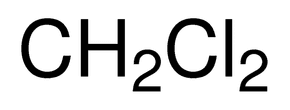
Chemical Synthesis Solvent
Dichloromethane is a versatile solvent for a wide range of organic reactions and purification processes. Its ability to dissolve various organic compounds makes it invaluable in synthetic chemistry laboratories.
Peptide Synthesis Applications
This compound is a critical solvent and component in solvent mixtures specifically designed for peptide synthesis. It facilitates solid-phase peptide synthesis (SPPS) and related biochemical processes.
Chemical Biology Reagent
In chemical biology, dichloromethane serves as a solvent for extraction and purification of biomolecules. It is also used in certain assay methodologies where its solvent properties are essential.
| Molecular weight | 84.93 |
|---|---|
| Empirical formula | CH2Cl2 |
| Assay | ≥99.8% (GC) |
| Grade | for peptide synthesis |
| Boiling point | 39.8-40 °C(lit.) |
| Density | 1.325 g/mL at 25 °C(lit.) |
| Refractive index | n20/D 1.424(lit.)n20/D 1.424 |
| Melting point | −97 °C(lit.) |
| Vapour pressure | 24.45 psi (55 °C)6.83 psi (20 °C) |
| Vapour density | 2.9 (vs air) |
| Autoignition temp | 1223 °F |
| Impurities tested | ≤0.01% water |
| Suitability | in accordance for amine test |


Hazard statements
- H315Causes skin irritation
- H319Causes serious eye irritation
- H335May cause respiratory irritation
- H336May cause drowsiness or dizziness
- H351Suspected of causing cancer
- H373May cause damage to organs through prolonged exposure
Precautionary statements
- P261Avoid breathing dust, fume, gas or vapours
- P281Use personal protective equipment as required
- P305IF IN EYES
| Protective equipment | Eyeshields, Faceshields, full-face respirator (US), Gloves, multi-purpose combination respirator cartridge (US) |
|---|---|
| Transport (UN / ADR) | UN 1593 6.1 / PGIII |
| Water hazard class (WGK, DE) | 2 |
| Hazard codes (EU) | Xn |
| Risk statements (R) | 36/37/38-40-67 |
| Safety statements (S) | 23-24/25-36/37 |
Hazard information is provided for guidance. Always consult the product Safety Data Sheet (SDS), available on request, before handling.
| Expl Lim | 22 %6.83 psi (20 °C) |
|---|---|
| Target Organs | Blood, Central nervous system, Liver |
Documentation
Every batch ships with a Certificate of Analysis covering assay, identity and purity; the grade is confirmed against your enquiry. Safety Data Sheets and technical data sheets are available on request.
Supply & logistics
Samples for technical evaluation; bulk MOQ by grade and packaging. In-stock material ships in 7–10 working days, worldwide, with full export documentation.
What is Dichloromethane used for?
+
Dichloromethane is primarily used as a solvent in chemical synthesis, particularly for peptide chemistry and chemical biology applications. It is also utilized in various extraction and purification processes.
What is the CAS number and formula for Dichloromethane?
+
The CAS number for Dichloromethane is 75-09-2, and its chemical formula is CH2Cl2.
What grade and purity does Tech Serve Solutions supply?
+
Tech Serve Solutions supplies Dichloromethane with an assay of ≥99.8% (GC), specifically graded for peptide synthesis, and contains ≤0.01% water. We do not represent this product as USP, BP, or EP grade unless explicitly stated in the product documentation.
How should Dichloromethane be handled safely?
+
Dichloromethane is classified with hazards including H315 (causes skin irritation), H319 (causes serious eye irritation), H335 (may cause respiratory irritation), H336 (may cause drowsiness or dizziness), H351 (suspected of causing cancer), and H373 (may cause damage to organs through prolonged or repeated exposure). Always use appropriate personal protective equipment such as eyeshields, gloves, and a suitable respirator, and ensure adequate ventilation.
Is Dichloromethane a controlled substance?
+
The provided data does not indicate that Dichloromethane is a controlled substance. However, regulations can vary by region.
How is Dichloromethane packed, shipped, and exported?
+
Dichloromethane is packed and shipped according to relevant regulations for hazardous materials, including UN 1593 classification. Tech Serve Solutions is a global supplier and exporter of fine chemicals.
How can I request a sample or quote for Dichloromethane?
+
To request a sample or a quote for Dichloromethane, please contact our sales team through the website or by phone. Our team will be happy to assist you with your inquiry.
▶ Related products
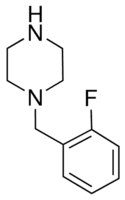
1-(2-Fluorobenzyl)piperazine
C11H15FN2
Chemical Synthesis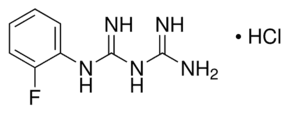
1-(2-Fluorophenyl)biguanide hydrochloride
Chemical Synthesis
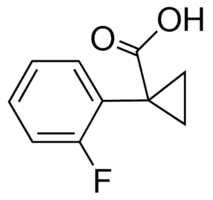
1-(2-Fluorophenyl)cyclopropanecarboxylic acid
C10H9FO2
Chemical Synthesis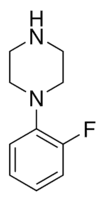
1-(2-Fluorophenyl)piperazine
C10H13FN2
Chemical Synthesis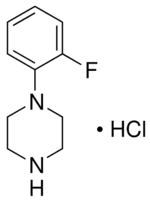
1-(2-Fluorophenyl)piperazine monohydrochloride
C10H13FN2 · HCl
Chemical Synthesis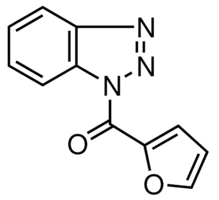
1-(2-Furoyl)-1H-benzotriazole
C11H7N3O2
Chemical Synthesis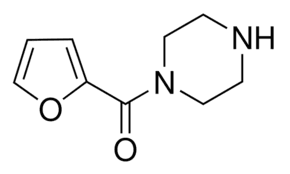
1-(2-Furoyl)piperazine
C9H12N2O2
Chemical Synthesis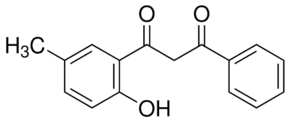
1-(2-Hydroxy-5-methylphenyl)-3-phenyl-1,3-propanedione
Chemical Synthesis
▶ Explore more

Bis(cyclopentadienyl)cobalt(III) hexafluorophosphate
C10H10CoF6P
Catalysis & Inorganic
1-(4-Chlorophenyl)biguanide hydrochloride
ClC6H4NHC(NH)NHC(NH)NH2 · HCl
Chemical Synthesis
Bis(cyclopentadienyl)dimethylzirconium(IV)
Catalysis & Inorganic

1-(4-Chlorophenyl)ethanol
ClC6H4CH(CH3)OH
Chemical Synthesis