
DIC
N,N′-Diisopropylcarbodiimide (DIC), CAS 693-13-0, with a molar mass of 126.20 g/mol, is a versatile carbodiimide reagent. It serves as a valuable alternative to dicyclohexylcarbodiimide (DCC) in various chemical synthesis applications. DIC is particularly noted for its utility in peptide coupling reactions, offering efficient activation of carboxylic acids for amide bond formation. Its liquid form and higher solubility in organic solvents facilitate easier handling and workup compared to solid carbodiimides. This compound is a key reagent in organic synthesis and biochemical research.
- IUPAC
- N,N′-Diisopropylcarbodiimide
- Synonyms
- N,N′-DiisopropylcarbodiimideDICDiisopropylcarbodiimide

Peptide Synthesis
DIC is widely employed as a coupling reagent in solid-phase and solution-phase peptide synthesis. It efficiently activates carboxylic acids for amide bond formation, facilitating the construction of peptide chains. Its use often leads to fewer side reactions and easier purification compared to other carbodiimides.
Organic Synthesis
Beyond peptide chemistry, DIC functions as a dehydrating agent in various organic transformations. It is useful for the synthesis of esters, anhydrides, and other functional groups requiring condensation reactions. Its liquid state and solubility profile offer advantages in diverse synthetic schemes.
Bioconjugation
DIC can be applied in bioconjugation strategies to link biomolecules. It facilitates the formation of stable amide bonds between carboxyl groups on one molecule and amine groups on another, enabling the creation of novel biochemical tools and diagnostics.
| Molecular weight | 126.20 |
|---|---|
| Linear formula | (CH3)2CHN=C=NCH(CH3)2 |
| Assay | 99% |
| Grade | purum |
| Boiling point | 145-148 °C(lit.) |
| Density | 0.815 g/mL at 20 °C(lit.) |
| Refractive index | n20/D 1.433(lit.) |
| Application | Alternative to dicyclohexylcarbodiimide in peptide synthesis. |


Hazard statements
- H226Flammable liquid and vapour
- H315Causes skin irritation
- H317May cause an allergic skin reaction
- H318Causes serious eye damage
- H330Fatal if inhaled
- H334May cause allergy or asthma symptoms if inhaled
- H335May cause respiratory irritation
Precautionary statements
- P260Do not breathe dust, fume, gas, mist, vapours or spray
- P280Wear protective gloves, clothing and eye/face protection
- P284Wear respiratory protection
- P305IF IN EYES
- P310Immediately call a POISON CENTER or doctor
| Protective equipment | Eyeshields, Faceshields, full-face respirator (US), Gloves, multi-purpose combination respirator cartridge (US), type ABEK (EN14387) respirator filter |
|---|---|
| Flash point | 31 °C / 87.8 °F |
| Transport (UN / ADR) | UN 2929 6.1/PG 1 |
| Water hazard class (WGK, DE) | 3 |
| Hazard codes (EU) | T+ |
| Risk statements (R) | 10-26-37/38-41-42/43 |
| Safety statements (S) | 26-36/37/39-45 |
Hazard information is provided for guidance. Always consult the product Safety Data Sheet (SDS), available on request, before handling.
| Gene Information | human ... EPHX2(2053)mouse ... Ephx2(13850) |
|---|---|
| Matrix | Magnesium aluminometasilicate base material |
Documentation
Every batch ships with a Certificate of Analysis covering assay, identity and purity; the grade is confirmed against your enquiry. Safety Data Sheets and technical data sheets are available on request.
Supply & logistics
Samples for technical evaluation; bulk MOQ by grade and packaging. In-stock material ships in 7–10 working days, worldwide, with full export documentation.
What is DIC used for?
+
DIC is primarily used as a coupling reagent in peptide synthesis and as a dehydrating agent in various organic synthesis applications, including ester and anhydride formation.
What is the CAS number and formula for DIC?
+
The CAS number for DIC is 693-13-0. Its linear formula is (CH₃)₂CHN=C=NCH(CH₃)₂.
What grade and purity does Tech Serve Solutions supply?
+
Tech Serve Solutions supplies DIC with an assay of 99% and a 'purum' grade. We do not represent this product as USP, BP, or EP grade.
How should DIC be handled safely?
+
DIC is a flammable liquid and vapour (H226), causes skin irritation (H315), may cause an allergic skin reaction (H317), causes serious eye damage (H318), is fatal if inhaled (H330), and may cause allergy or asthma symptoms or breathing difficulties if inhaled (H334). Handle with extreme caution in a well-ventilated area using appropriate personal protective equipment, including gloves, eye protection, and a suitable respirator.
How is DIC packed, shipped, and exported?
+
DIC is packaged in compliance with international shipping regulations for hazardous materials. As a global supplier and exporter, Tech Serve Solutions ensures all shipments adhere to the necessary safety and transport requirements.
How can I request a quote or sample for DIC?
+
To request a quote or sample of DIC, please contact our sales team through the website or via direct inquiry, providing your contact details and intended quantity.
▶ Related products
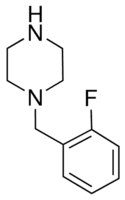
1-(2-Fluorobenzyl)piperazine
C11H15FN2
Chemical Synthesis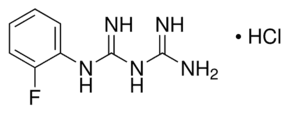
1-(2-Fluorophenyl)biguanide hydrochloride
Chemical Synthesis
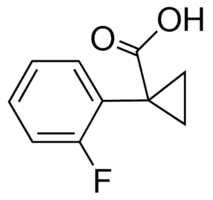
1-(2-Fluorophenyl)cyclopropanecarboxylic acid
C10H9FO2
Chemical Synthesis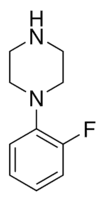
1-(2-Fluorophenyl)piperazine
C10H13FN2
Chemical Synthesis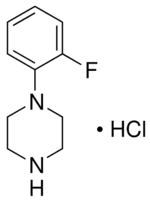
1-(2-Fluorophenyl)piperazine monohydrochloride
C10H13FN2 · HCl
Chemical Synthesis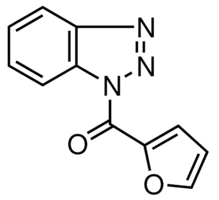
1-(2-Furoyl)-1H-benzotriazole
C11H7N3O2
Chemical Synthesis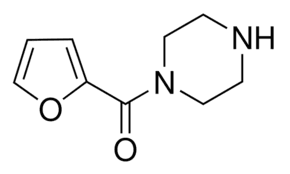
1-(2-Furoyl)piperazine
C9H12N2O2
Chemical Synthesis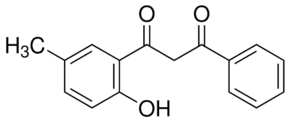
1-(2-Hydroxy-5-methylphenyl)-3-phenyl-1,3-propanedione
Chemical Synthesis
▶ Explore more

Bis(cyclopentadienyl)cobalt(III) hexafluorophosphate
C10H10CoF6P
Catalysis & Inorganic
1-(4-Chlorophenyl)biguanide hydrochloride
ClC6H4NHC(NH)NHC(NH)NH2 · HCl
Chemical Synthesis
Bis(cyclopentadienyl)dimethylzirconium(IV)
Catalysis & Inorganic

1-(4-Chlorophenyl)ethanol
ClC6H4CH(CH3)OH
Chemical Synthesis