Dibutyltin bis(acetylacetonate)
Dibutyltin bis(acetylacetonate) (CAS: 22673-19-4) is an organotin compound with the linear formula [CH3COCH=C(O-)CH3]2Sn[(CH2)3CH3]2. With a molecular weight of 431.15, this compound exists as a low-melting solid. It is utilized across various scientific disciplines, including chemical synthesis, materials science, and micro/nanoelectronics, often serving as an organometallic reagent and a precursor in solution deposition.
- IUPAC
- Sn(acac)Bu2
- Synonyms
- Dibutyltin di(acetylacetonate)Bis(acetylacetonato)dibutyltin
![Dibutyltin bis(acetylacetonate) ([CH3COCH=C(O-)CH3]2Sn[(CH2)3CH3]2) — chemical structure, CAS 22673-19-4; Chemistry, fine chemical supplied by Tech Serve Solutions](/_next/image?url=https%3A%2F%2Fpub-f4d920c906024441a773a96f7098e551.r2.dev%2Fimages%2Fproducts%2F22673-19-4.png&w=3840&q=75)
Materials Science
Dibutyltin bis(acetylacetonate) serves as a precursor in materials science for the development of novel materials and thin films. Its organometallic nature makes it suitable for deposition techniques.
Chemical Synthesis
As an organometallic reagent, this compound finds application in various organic synthesis pathways. It can be employed as a catalyst or a building block in complex chemical reactions.
Micro/Nanoelectronics
In the field of micro and nanoelectronics, Dibutyltin bis(acetylacetonate) can be used as a precursor for depositing tin-containing layers. These layers may possess specific electrical or optical properties relevant to electronic devices.
Solution Deposition Precursor
The compound's solubility characteristics allow its use as a precursor in solution-based deposition methods. This is valuable for creating uniform coatings and films on various substrates.
| Molecular weight | 431.15 |
|---|---|
| Linear formula | [CH3COCH=C(O-)CH3]2Sn[(CH2)3CH3]2 |
| Assay | 95% |
| Form | low-melting solid |
| Boiling point | 150 °C(lit.) |
| Density | 1.22 g/mL at 25 °C(lit.) |
| Refractive index | n20/D 1.5110(lit.) |
| Melting point | 26 °C(lit.) |


Hazard statements
- H226Flammable liquid and vapour
- H302Harmful if swallowed
- H315Causes skin irritation
- H319Causes serious eye irritation
- H335May cause respiratory irritation
- H361Suspected of damaging fertility or the unborn child
Precautionary statements
- P261Avoid breathing dust, fume, gas or vapours
- P280Wear protective gloves, clothing and eye/face protection
- P305IF IN EYES
| Protective equipment | Eyeshields, Faceshields, full-face respirator (US), Gloves, multi-purpose combination respirator cartridge (US), type ABEK (EN14387) respirator filter |
|---|---|
| Flash point | 54 °C / 129.2 °F |
| Transport (UN / ADR) | UN 1325 4.1 / PGII |
| Water hazard class (WGK, DE) | 3 |
| Hazard codes (EU) | Xn |
| Risk statements (R) | 63-10-20/21/22-36/37/38 |
| Safety statements (S) | 16-26-36 |
Hazard information is provided for guidance. Always consult the product Safety Data Sheet (SDS), available on request, before handling.
Documentation
Every batch ships with a Certificate of Analysis covering assay, identity and purity; the grade is confirmed against your enquiry. Safety Data Sheets and technical data sheets are available on request.
Supply & logistics
Samples for technical evaluation; bulk MOQ by grade and packaging. In-stock material ships in 7–10 working days, worldwide, with full export documentation.
What is Dibutyltin bis(acetylacetonate) used for?
+
Dibutyltin bis(acetylacetonate) is used in chemical synthesis, materials science, micro/nanoelectronics, and as a precursor in solution deposition.
What is the CAS number and formula for Dibutyltin bis(acetylacetonate)?
+
The CAS number is 22673-19-4 and the linear formula is [CH3COCH=C(O-)CH3]2Sn[(CH2)3CH3]2.
What grade and purity does Tech Serve Solutions supply?
+
Tech Serve Solutions supplies Dibutyltin bis(acetylacetonate) with an assay of 95%. This product is suitable for research and general laboratory use. TSS does not represent this product as USP, BP, or EP grade.
What are the safety and handling considerations for Dibutyltin bis(acetylacetonate)?
+
This compound is flammable (H226) and harmful if swallowed, in contact with skin, or if inhaled (H302 + H312 + H332). It can cause skin irritation (H315), serious eye irritation (H319), and respiratory irritation (H335). It is also suspected of damaging fertility or the unborn child (H361). Always use appropriate personal protective equipment, including eyeshields, faceshields, gloves, and suitable respiratory protection, in a well-ventilated area.
How is Dibutyltin bis(acetylacetonate) packed and exported?
+
Dibutyltin bis(acetylacetonate) is packed in compliance with regulations for hazardous materials (UN 1325, 4.1/PGII) and is exported globally by TSS adhering to all relevant international shipping standards.
How can I request a sample or quote for Dibutyltin bis(acetylacetonate)?
+
To request a sample or a quote, please contact the TSS sales department through our website or by calling our customer service line.
▶ Related products
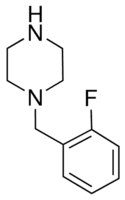
1-(2-Fluorobenzyl)piperazine
C11H15FN2
Chemical Synthesis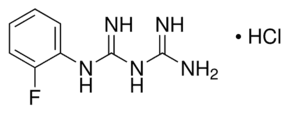
1-(2-Fluorophenyl)biguanide hydrochloride
Chemical Synthesis
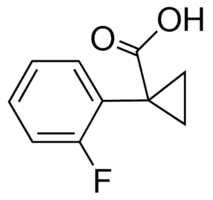
1-(2-Fluorophenyl)cyclopropanecarboxylic acid
C10H9FO2
Chemical Synthesis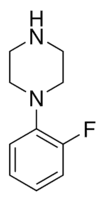
1-(2-Fluorophenyl)piperazine
C10H13FN2
Chemical Synthesis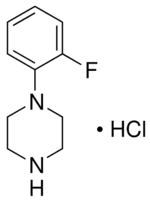
1-(2-Fluorophenyl)piperazine monohydrochloride
C10H13FN2 · HCl
Chemical Synthesis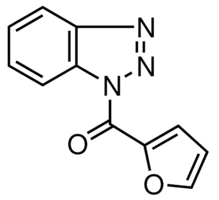
1-(2-Furoyl)-1H-benzotriazole
C11H7N3O2
Chemical Synthesis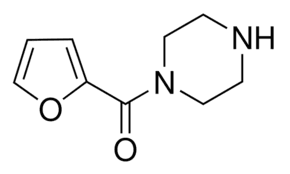
1-(2-Furoyl)piperazine
C9H12N2O2
Chemical Synthesis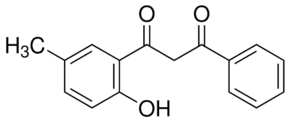
1-(2-Hydroxy-5-methylphenyl)-3-phenyl-1,3-propanedione
Chemical Synthesis