Dibromoisocyanuric acid
Dibromoisocyanuric acid (CAS: 15114-43-9, Formula: C3HBr2N3O3) is a chemical compound with a molecular weight of 286.87 g/mol. It is primarily recognised for its utility as a brominating agent and in the formation of C-X halogen bonds. This compound serves as a valuable synthetic reagent in various chemical processes, contributing to advancements in chemical synthesis. It is typically supplied with an assay of 97% and requires storage at 2-8°C.
- IUPAC
- 1,3-Dibromo-1,3,5-triazine-2,4,6(1H,3H,5H)-trione
- Synonyms
- 1,3-Dibromo-1,3,5-triazine-2,4,6(1H,3H,5H)-trione

Brominating Agent
Dibromoisocyanuric acid effectively introduces bromine atoms into organic molecules. This makes it useful for synthesising a wide range of brominated intermediates and final products.
C-X Bond Formation
It facilitates the formation of carbon-halogen (C-X) bonds, specifically C-Br bonds. This is a fundamental transformation in organic chemistry for building complex molecular structures.
Chemical Synthesis
As a versatile synthetic reagent, dibromoisocyanuric acid plays a role in multi-step syntheses across various chemical sectors. Its reactivity allows for specific functional group transformations.
Research and Development
This compound is employed in research laboratories for exploring new synthetic methodologies and developing novel chemical entities. Its predictable reactivity aids in experimental design.
| Molecular weight | 286.87 |
|---|---|
| Empirical formula | C3HBr2N3O3 |
| Assay | 97% |
| Storage temperature | 2-8°C |
| Melting point | 305-310 °C |


Hazard statements
- H272May intensify fire; oxidiser
- H302Harmful if swallowed
- H314Causes severe skin burns and eye damage
Precautionary statements
- P220Keep away from clothing and combustible materials
- P280Wear protective gloves, clothing and eye/face protection
- P305IF IN EYES
- P310Immediately call a POISON CENTER or doctor
| Water hazard class (WGK, DE) | 3 |
|---|---|
| Hazard codes (EU) | O,C,N |
| Risk statements (R) | 8-22-31-34-50/53 |
| Safety statements (S) | 8-26-36/37/39-41-45-60-61 |
| Supplemental hazards | Contact with acids liberates toxic gas. |
Hazard information is provided for guidance. Always consult the product Safety Data Sheet (SDS), available on request, before handling.
Documentation
Every batch ships with a Certificate of Analysis covering assay, identity and purity; the grade is confirmed against your enquiry. Safety Data Sheets and technical data sheets are available on request.
Supply & logistics
Samples for technical evaluation; bulk MOQ by grade and packaging. In-stock material ships in 7–10 working days, worldwide, with full export documentation.
What is Dibromoisocyanuric acid used for?
+
Dibromoisocyanuric acid is primarily used as a brominating agent, for the formation of C-X halogen bonds, and in general chemical synthesis and research.
What is the CAS number and molecular formula for Dibromoisocyanuric acid?
+
The CAS number is 15114-43-9, and the molecular formula is C3HBr2N3O3.
What grade and purity does Tech Serve Solutions supply?
+
Tech Serve Solutions supplies Dibromoisocyanuric acid with a minimum assay of 97%. We do not represent this product as USP, BP, EP or any other pharmacopoeia grade.
How should Dibromoisocyanuric acid be handled safely?
+
Dibromoisocyanuric acid is a Danger substance (GHS03, GHS05, GHS07). It is harmful if swallowed (H302), causes severe skin burns and eye damage (H314), and may intensify fire; oxidiser (H272). Contact with acids liberates toxic gas. Always wear appropriate personal protective equipment (P280) and handle with extreme caution, avoiding contact with skin, eyes, and clothing. Refer to the Safety Data Sheet for full guidance.
Is Dibromoisocyanuric acid a controlled substance?
+
The provided data does not indicate that Dibromoisocyanuric acid is a controlled substance.
How is Dibromoisocyanuric acid packed and exported?
+
Dibromoisocyanuric acid is packed and exported in compliance with all relevant transport and safety regulations for hazardous materials. Specific packaging details are available upon request.
How can I request a sample or quote for Dibromoisocyanuric acid?
+
To request a sample or a quote, please contact our sales team through the website or by phone, providing your specific requirements and contact information.
▶ Related products
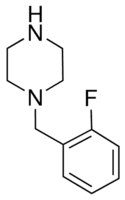
1-(2-Fluorobenzyl)piperazine
C11H15FN2
Chemical Synthesis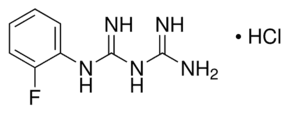
1-(2-Fluorophenyl)biguanide hydrochloride
Chemical Synthesis
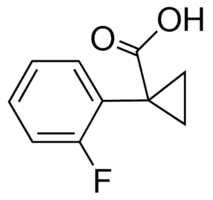
1-(2-Fluorophenyl)cyclopropanecarboxylic acid
C10H9FO2
Chemical Synthesis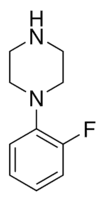
1-(2-Fluorophenyl)piperazine
C10H13FN2
Chemical Synthesis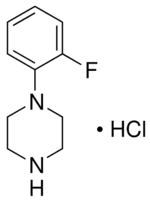
1-(2-Fluorophenyl)piperazine monohydrochloride
C10H13FN2 · HCl
Chemical Synthesis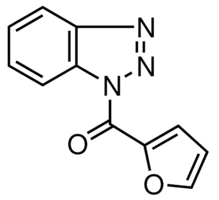
1-(2-Furoyl)-1H-benzotriazole
C11H7N3O2
Chemical Synthesis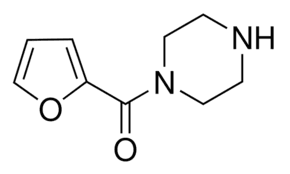
1-(2-Furoyl)piperazine
C9H12N2O2
Chemical Synthesis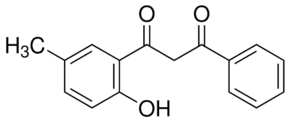
1-(2-Hydroxy-5-methylphenyl)-3-phenyl-1,3-propanedione
Chemical Synthesis