
Diborane
Diborane (CAS: 19287-45-7), with the chemical formula B2H6, is a highly flammable and toxic gas. It has a molecular weight of 27.67 g/mol. Diborane is predominantly used as a p-type dopant in the semiconductor industry for the deposition of epitaxial and amorphous silicon thin films. Its reactive nature also makes it valuable in various chemical synthesis applications.

Semiconductor Doping
Diborane gas serves as a critical p-type dopant in the manufacturing of semiconductor devices. It is instrumental in the deposition of high-quality epitaxial and amorphous silicon thin films, essential for electronic components.
Chemical Synthesis
As a versatile reducing agent and a source of boron, diborane is employed in various organic and inorganic synthesis reactions. Its high reactivity allows for specific chemical transformations.
Materials Science
Diborane is utilised in materials science for the development of novel boron-containing materials and thin films through techniques like chemical vapour deposition (CVD) and atomic layer deposition (ALD).
| Molecular weight | 27.67 |
|---|---|
| Linear formula | B2H6 |
| Assay | 9-11% (balance hydrogen)99.99% (diborane only) |
| Grade | electronic grade |
| Form | gas |
| Boiling point | −92.5 °C(lit.) |
| Concentration | 10% in hydrogen |
| Application | Dibrorane gas is used primarily as a p-type dopant in the deposition of eptaxial and amorphous silicon thin films. |


Hazard statements
- H220Extremely flammable gas
- H330Fatal if inhaled
Precautionary statements
- P210Keep away from heat, sparks and open flames. No smoking
- P260Do not breathe dust, fume, gas, mist, vapours or spray
- P284Wear respiratory protection
- P310Immediately call a POISON CENTER or doctor
| Transport (UN / ADR) | UN 1953PIHB 2.1(2.3) |
|---|---|
| Water hazard class (WGK, DE) | 3 |
| Hazard codes (EU) | F+,T+ |
| Risk statements (R) | 12-26 |
| Safety statements (S) | 16-28-36/37-45 |
Hazard information is provided for guidance. Always consult the product Safety Data Sheet (SDS), available on request, before handling.
Documentation
Every batch ships with a Certificate of Analysis covering assay, identity and purity; the grade is confirmed against your enquiry. Safety Data Sheets and technical data sheets are available on request.
Supply & logistics
Samples for technical evaluation; bulk MOQ by grade and packaging. In-stock material ships in 7–10 working days, worldwide, with full export documentation.
What is Diborane used for?
+
Diborane (B2H6) is primarily used as a p-type dopant in the deposition of epitaxial and amorphous silicon thin films for semiconductor applications. It also finds use in chemical synthesis and materials science.
What is the CAS number and formula for Diborane?
+
The CAS number for Diborane is 19287-45-7, and its chemical formula is B2H6.
What grade and purity does Tech Serve Solutions supply?
+
Tech Serve Solutions supplies Diborane in electronic grade, with an assay of 9-11% in hydrogen (balance hydrogen), and 99.99% pure diborane. We do not represent this product as USP, BP, or EP grade.
How is Diborane handled and shipped?
+
Diborane is a highly flammable and toxic gas (GHS02, GHS06, Danger, H220-H330). It requires specialised handling procedures and is shipped as a gas in appropriate cylinders under strict safety protocols.
How can I request a sample or quote for Diborane?
+
To request a sample or a quote for Diborane, please contact the Tech Serve Solutions sales team through our website or by phone.
Is Diborane a controlled substance?
+
While diborane is a hazardous chemical, the provided data does not indicate it is a specifically controlled or scheduled substance in the context of typical chemical regulations, beyond its inherent hazards.
▶ Related products
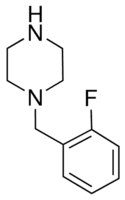
1-(2-Fluorobenzyl)piperazine
C11H15FN2
Chemical Synthesis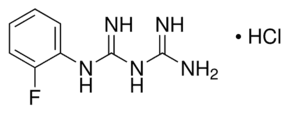
1-(2-Fluorophenyl)biguanide hydrochloride
Chemical Synthesis
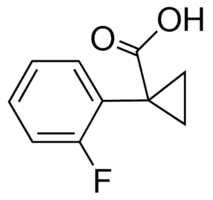
1-(2-Fluorophenyl)cyclopropanecarboxylic acid
C10H9FO2
Chemical Synthesis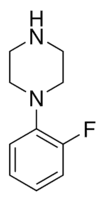
1-(2-Fluorophenyl)piperazine
C10H13FN2
Chemical Synthesis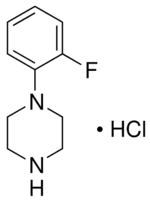
1-(2-Fluorophenyl)piperazine monohydrochloride
C10H13FN2 · HCl
Chemical Synthesis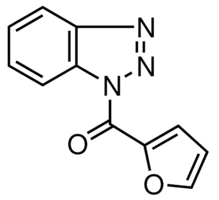
1-(2-Furoyl)-1H-benzotriazole
C11H7N3O2
Chemical Synthesis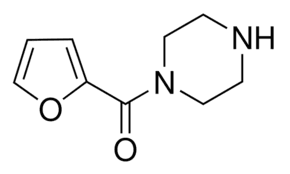
1-(2-Furoyl)piperazine
C9H12N2O2
Chemical Synthesis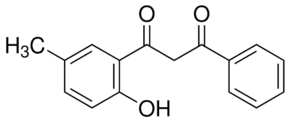
1-(2-Hydroxy-5-methylphenyl)-3-phenyl-1,3-propanedione
Chemical Synthesis
▶ Explore more

Bis(cyclopentadienyl)cobalt(III) hexafluorophosphate
C10H10CoF6P
Catalysis & Inorganic
1-(4-Chlorophenyl)biguanide hydrochloride
ClC6H4NHC(NH)NHC(NH)NH2 · HCl
Chemical Synthesis
Bis(cyclopentadienyl)dimethylzirconium(IV)
Catalysis & Inorganic

1-(4-Chlorophenyl)ethanol
ClC6H4CH(CH3)OH
Chemical Synthesis