
Diallylamine
Diallylamine (CAS: 124-02-7) is a colourless to yellow liquid with the molecular formula C6H11N and a molecular weight of 97.16 g/mol. As an acyclic alkene, it serves as a versatile building block in organic synthesis. Its primary applications include its use as an intermediate in the production of polymers, pharmaceuticals, and agrochemicals, contributing to the development of diverse chemical products.

Polymer Synthesis
Diallylamine is employed as a monomer or co-monomer in the synthesis of various polymers and resins. Its reactive allyl groups allow for cross-linking and functionalization, leading to materials with tailored properties for diverse industrial applications.
Pharmaceutical Intermediates
The compound serves as a crucial intermediate in the multi-step synthesis of active pharmaceutical ingredients (APIs). Its chemical structure facilitates the introduction of specific functionalities required in complex drug molecules.
Agrochemical Production
Diallylamine is utilised in the manufacturing of certain agrochemicals, such as herbicides and pesticides. It acts as a precursor that imparts desired biological activity or physical characteristics to the final agricultural product.
Organic Synthesis Reagent
As a difunctional organic building block, diallylamine is used in a variety of organic reactions. It enables the construction of more complex molecular architectures in academic research and industrial chemical synthesis.
| Molecular weight | 97.16 |
|---|---|
| Linear formula | (CH2=CHCH2)2NH |
| Assay | 99% |
| Boiling point | 111-112 °C(lit.) |
| Density | 0.787 g/mL at 25 °C(lit.) |
| Refractive index | n20/D 1.440(lit.) |
| Vapour pressure | 18 mmHg (20 °C) |
| Melting point | −88 °C(lit.) |
| Vapour density | 3.35 (vs air) |


Hazard statements
- H225Highly flammable liquid and vapour
- H302Harmful if swallowed
- H311Toxic in contact with skin
- H314Causes severe skin burns and eye damage
Precautionary statements
- P210Keep away from heat, sparks and open flames. No smoking
- P261Avoid breathing dust, fume, gas or vapours
- P280Wear protective gloves, clothing and eye/face protection
- P305IF IN EYES
- P310Immediately call a POISON CENTER or doctor
| Protective equipment | Faceshields, full-face respirator (US), Gloves, Goggles, multi-purpose combination respirator cartridge (US), type ABEK (EN14387) respirator filter |
|---|---|
| Flash point | 7 °C / 44.6 °F |
| Transport (UN / ADR) | UN 2359 3/PG 2 |
| Water hazard class (WGK, DE) | 3 |
| Hazard codes (EU) | F,T |
| Risk statements (R) | 11-20/22-24-34 |
| Safety statements (S) | 16-26-36/37/39-45 |
Hazard information is provided for guidance. Always consult the product Safety Data Sheet (SDS), available on request, before handling.
Documentation
Every batch ships with a Certificate of Analysis covering assay, identity and purity; the grade is confirmed against your enquiry. Safety Data Sheets and technical data sheets are available on request.
Supply & logistics
Samples for technical evaluation; bulk MOQ by grade and packaging. In-stock material ships in 7–10 working days, worldwide, with full export documentation.
What is Diallylamine used for?
+
Diallylamine (CAS: 124-02-7) is primarily used as a building block in organic synthesis, serving as an intermediate in the production of polymers, pharmaceuticals, and agrochemicals.
What is the CAS number and formula for Diallylamine?
+
The CAS number for Diallylamine is 124-02-7 and its linear formula is (CH2=CHCH2)2NH.
What grade and purity does Tech Serve Solutions supply?
+
Tech Serve Solutions supplies Diallylamine with an assay of 99%. This product is typically considered a technical or research grade and is not represented as USP, BP, EP, or any other pharmacopoeia standard.
How should Diallylamine be handled safely?
+
Diallylamine is a highly flammable liquid and vapour (H225), harmful if swallowed (H302), and toxic in contact with skin and if inhaled (H311 + H331). It also causes severe skin burns and eye damage (H314). Strict adherence to safety protocols, including the use of appropriate personal protective equipment (gloves, goggles, respirators) and working in well-ventilated areas, is essential.
Is Diallylamine a controlled substance?
+
The provided data does not indicate that Diallylamine is a controlled substance.
How is Diallylamine packed, shipped, and exported?
+
Diallylamine is packed in compliance with UN 2359, Class 3, Packing Group II regulations for hazardous materials. Tech Serve Solutions can manage global export requirements for this chemical.
How can I request a quote or sample?
+
To request a quote or sample of Diallylamine, please contact the Tech Serve Solutions sales department through our website or via direct inquiry, providing your specific requirements.
▶ Related products
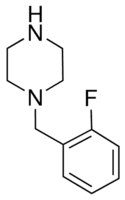
1-(2-Fluorobenzyl)piperazine
C11H15FN2
Chemical Synthesis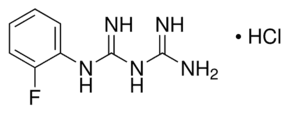
1-(2-Fluorophenyl)biguanide hydrochloride
Chemical Synthesis
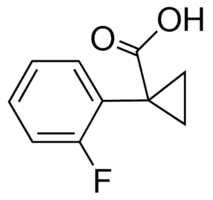
1-(2-Fluorophenyl)cyclopropanecarboxylic acid
C10H9FO2
Chemical Synthesis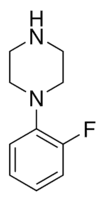
1-(2-Fluorophenyl)piperazine
C10H13FN2
Chemical Synthesis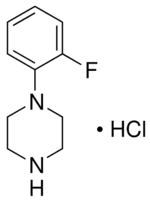
1-(2-Fluorophenyl)piperazine monohydrochloride
C10H13FN2 · HCl
Chemical Synthesis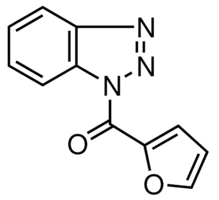
1-(2-Furoyl)-1H-benzotriazole
C11H7N3O2
Chemical Synthesis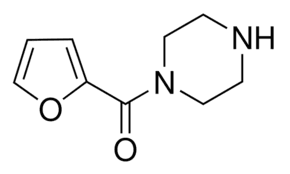
1-(2-Furoyl)piperazine
C9H12N2O2
Chemical Synthesis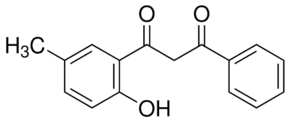
1-(2-Hydroxy-5-methylphenyl)-3-phenyl-1,3-propanedione
Chemical Synthesis
▶ Explore more

Bis(cyclopentadienyl)cobalt(III) hexafluorophosphate
C10H10CoF6P
Catalysis & Inorganic
1-(4-Chlorophenyl)biguanide hydrochloride
ClC6H4NHC(NH)NHC(NH)NH2 · HCl
Chemical Synthesis
Bis(cyclopentadienyl)dimethylzirconium(IV)
Catalysis & Inorganic

1-(4-Chlorophenyl)ethanol
ClC6H4CH(CH3)OH
Chemical Synthesis