
Diallyl phthalate
Diallyl phthalate (CAS: 131-17-9), with the molecular formula C12H14O4 and a molar mass of 246.26 g/mol, is an organic ester widely utilised as a monomer and cross-linking agent. It is essential in the synthesis of polymers and resins, particularly thermosetting plastics known for their excellent electrical insulation properties, thermal stability, and chemical resistance. Its utility extends to specialised coatings and adhesives.
- Synonyms
- Diallyl phthalate1,2-Benzenedicarboxylic acid, 1,2-bis(2-propenyl) esterPhthalic acid diallyl ester

Polymer Synthesis
Diallyl phthalate serves as a key monomer in the production of diallyl phthalate resins (DAP). These thermosetting polymers exhibit superior electrical insulation, dimensional stability, and resistance to heat and chemicals, making them suitable for demanding applications.
Cross-linking Agent
It functions effectively as a cross-linking agent for various polymers, enhancing their mechanical strength, thermal properties, and resistance to solvents. This application is crucial in formulating high-performance plastics and composites.
Specialty Coatings
The compound is used in the formulation of specialty coatings that require excellent dielectric properties and environmental resistance. These coatings find applications in the electronics and aerospace industries.
Adhesive Formulations
Diallyl phthalate can be incorporated into advanced adhesive systems where high thermal stability and strong bonding characteristics are paramount, particularly for bonding dissimilar materials in harsh environments.
| Molecular weight | 246.26 |
|---|---|
| Linear formula | C6H4-1,2-(CO2CH2CH=CH2)2 |
| Assay | 97% |
| Boiling point | 165-167 °C/5 mmHg(lit.) |
| Density | 1.121 g/mL at 25 °C(lit.) |
| Refractive index | n20/D 1.519(lit.) |
| Vapour pressure | 2.3 mmHg (150 °C) |
| Vapour density | 8.3 (vs air) |
| Autoignition temp | 725 °F |


Hazard statements
- H302Harmful if swallowed
- H410Very toxic to aquatic life with long-lasting effects
Precautionary statements
- P273Avoid release to the environment
- P501Dispose of contents and container per local regulations
| Protective equipment | Eyeshields, Faceshields, full-face respirator (US), Gloves, multi-purpose combination respirator cartridge (US), type ABEK (EN14387) respirator filter |
|---|---|
| Flash point | 166 °C / 330.8 °F |
| Transport (UN / ADR) | UN 3082 9/PG 3 |
| Water hazard class (WGK, DE) | 3 |
| Hazard codes (EU) | Xn,N |
| Risk statements (R) | 22-50/53 |
| Safety statements (S) | 24/25-60-61 |
Hazard information is provided for guidance. Always consult the product Safety Data Sheet (SDS), available on request, before handling.
Documentation
Every batch ships with a Certificate of Analysis covering assay, identity and purity; the grade is confirmed against your enquiry. Safety Data Sheets and technical data sheets are available on request.
Supply & logistics
Samples for technical evaluation; bulk MOQ by grade and packaging. In-stock material ships in 7–10 working days, worldwide, with full export documentation.
What is Diallyl phthalate (CAS 131-17-9) used for?
+
Diallyl phthalate is primarily used as a monomer in the synthesis of diallyl phthalate (DAP) resins, which are valued for their excellent electrical insulation, thermal stability, and chemical resistance. It also functions as a cross-linking agent for other polymers and is used in specialty coatings and adhesive formulations.
What are the CAS number and formula for Diallyl phthalate?
+
The CAS number for Diallyl phthalate is 131-17-9, and its linear formula is C6H4-1,2-(CO2CH2CH=CH2)2. The molecular formula is C12H14O4.
What grade and purity does Tech Serve Solutions supply?
+
Tech Serve Solutions supplies Diallyl phthalate with an assay of 97%. This product is intended for research and industrial use and is not represented as USP, BP, EP, or any other pharmacopoeia grade.
How should Diallyl phthalate be handled safely?
+
Diallyl phthalate is classified as harmful if swallowed (H302) and very toxic to aquatic life with long-lasting effects (H410). Handle with appropriate personal protective equipment, including eyeshields, gloves, and a suitable respirator. Ensure good ventilation and avoid release into the environment. Refer to the Safety Data Sheet for comprehensive handling instructions.
Is Diallyl phthalate a controlled substance?
+
Based on the provided data, Diallyl phthalate (CAS: 131-17-9) is not indicated as a controlled or scheduled substance.
How is Diallyl phthalate typically packed and shipped?
+
Diallyl phthalate is typically packed in suitable containers designed for chemical transport and is exported globally by Tech Serve Solutions. Specific packaging details are available upon request for bulk orders.
How can I request a sample or quote for Diallyl phthalate?
+
To request a sample or a quote for Diallyl phthalate, please contact the Tech Serve Solutions sales team through our official website or designated contact channels, providing your specific requirements.
▶ Related products
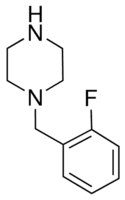
1-(2-Fluorobenzyl)piperazine
C11H15FN2
Chemical Synthesis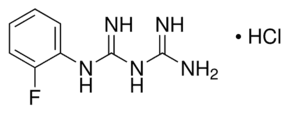
1-(2-Fluorophenyl)biguanide hydrochloride
Chemical Synthesis
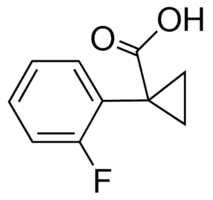
1-(2-Fluorophenyl)cyclopropanecarboxylic acid
C10H9FO2
Chemical Synthesis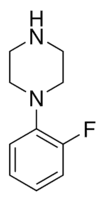
1-(2-Fluorophenyl)piperazine
C10H13FN2
Chemical Synthesis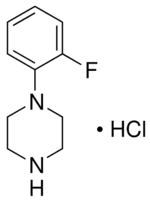
1-(2-Fluorophenyl)piperazine monohydrochloride
C10H13FN2 · HCl
Chemical Synthesis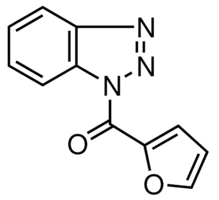
1-(2-Furoyl)-1H-benzotriazole
C11H7N3O2
Chemical Synthesis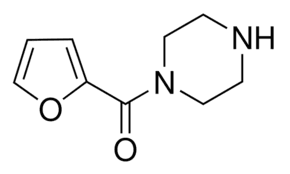
1-(2-Furoyl)piperazine
C9H12N2O2
Chemical Synthesis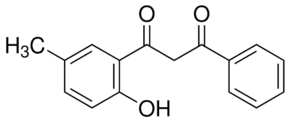
1-(2-Hydroxy-5-methylphenyl)-3-phenyl-1,3-propanedione
Chemical Synthesis
▶ Explore more

Bis(cyclopentadienyl)cobalt(III) hexafluorophosphate
C10H10CoF6P
Catalysis & Inorganic
1-(4-Chlorophenyl)biguanide hydrochloride
ClC6H4NHC(NH)NHC(NH)NH2 · HCl
Chemical Synthesis
Bis(cyclopentadienyl)dimethylzirconium(IV)
Catalysis & Inorganic

1-(4-Chlorophenyl)ethanol
ClC6H4CH(CH3)OH
Chemical Synthesis