
Deoxynivalenol
Deoxynivalenol (CAS: 51481-10-8, C15H20O6) is a potent trichothecene mycotoxin produced by various Fusarium species. This compound, with a molecular weight of 296.32 g/mol, is a critical tool in cell biology research, particularly in studies of cell signaling, neuroscience, and the biological impacts of mycotoxins. It is supplied at a PREMIUM quality level.
- IUPAC
- 3α,7α,15-Trihydroxy-12,13-epoxytrichothec-9-en-8-one,Vomitoxin
- Synonyms
- 3α,7α,15-Trihydroxy-12,13-epoxytrichothec-9-en-8-oneVomitoxin

Cell Biology Research
Deoxynivalenol is widely used in in-vitro studies to investigate cellular responses to mycotoxin exposure. Its mechanism of action provides insights into protein synthesis inhibition and cellular stress pathways.
Neuroscience Studies
This toxin is employed in neuroscience research to understand its effects on neuronal function and potential neurotoxic mechanisms. It aids in modelling the impact of mycotoxin contamination on the nervous system.
Mycotoxin Analysis and Detection
As a reference standard, Deoxynivalenol is essential for developing and validating analytical methods for detecting its presence in food and feed samples. This supports regulatory compliance and food safety.
Toxicology Research
Deoxynivalenol serves as a model compound in toxicological studies to assess the adverse effects of trichothecene mycotoxins on various biological systems and organisms.
| Molecular weight | 296.32 |
|---|---|
| Empirical formula | C15H20O6 |
| Storage temperature | 2-8°C |

Hazard statements
- H300Fatal if swallowed
Precautionary statements
- P264Wash thoroughly after handling
- P301IF SWALLOWED
| Protective equipment | Eyeshields, Faceshields, Gloves, type P2 (EN 143) respirator cartridges |
|---|---|
| Transport (UN / ADR) | UN 2811 6.1 / PGII |
| Water hazard class (WGK, DE) | 3 |
| Hazard codes (EU) | T |
| Risk statements (R) | 25 |
| Safety statements (S) | 36/37/39-45 |
Hazard information is provided for guidance. Always consult the product Safety Data Sheet (SDS), available on request, before handling.
| Quality Level | PREMIUM |
|---|
Documentation
Every batch ships with a Certificate of Analysis covering assay, identity and purity; the grade is confirmed against your enquiry. Safety Data Sheets and technical data sheets are available on request.
Supply & logistics
Samples for technical evaluation; bulk MOQ by grade and packaging. In-stock material ships in 7–10 working days, worldwide, with full export documentation.
What is Deoxynivalenol used for?
+
Deoxynivalenol is primarily used in cell biology research, neuroscience studies, and toxicology research to investigate cellular responses to mycotoxin exposure and its potential neurotoxic effects.
What are the CAS number and formula for Deoxynivalenol?
+
The CAS number for Deoxynivalenol is 51481-10-8, and its empirical formula is C15H20O6.
What grade and purity does Tech Serve Solutions supply?
+
Tech Serve Solutions supplies Deoxynivalenol at a PREMIUM quality level. The specific assay is not detailed in the provided data, and TSS does not represent this product as USP, BP, EP, or any other pharmacopoeial grade.
How should Deoxynivalenol be handled safely?
+
Deoxynivalenol is classified as Danger (GHS06) with hazard statement H300 (Fatal if swallowed). Safe handling requires appropriate personal protective equipment including eyeshields, faceshields, gloves, and P2 respirator cartridges. Strict precautions must be taken to avoid ingestion and inhalation.
How is Deoxynivalenol packed and shipped?
+
This product is shipped as UN 2811, Class 6.1 (Toxic substances), Packing Group II, under regulations for the transport of dangerous goods.
How can I request a sample or quote for Deoxynivalenol?
+
Please contact our sales team via the website or direct inquiry to request a sample or a quotation for Deoxynivalenol. We are happy to assist with your research needs.
▶ Related products
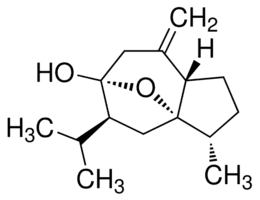
(−)-Curcumol
C15H24O2
Cell Biology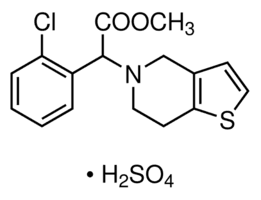
(±) Clopidogrel hydrogensulfate
Cell Biology
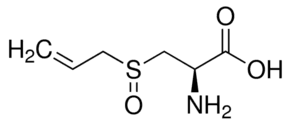
(±)-L-Alliin
C6H11NO3S
Cell Biology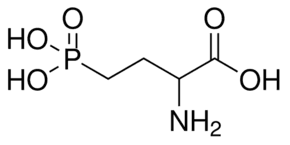
(±)-2-Amino-4-phosphonobutyric acid
C4H10NO5P
Cell Biology
(±)-2-Methylarachidonoyl-2′-fluoroethylamide
C23H38NOF
Cell Biology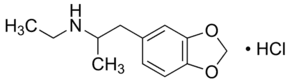
(±)-3,4-Methylenedioxy-N-ethylamphetamine hydrochloride
Cell Biology
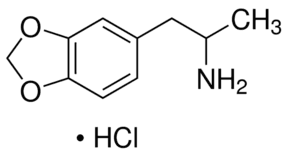
(±)-3,4-Methylenedioxyamphetamine hydrochloride
Cell Biology
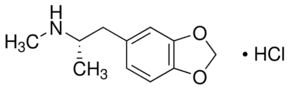
(±)-3,4-Methylenedioxymethamphetamine hydrochloride
Cell Biology
▶ Explore more

Bis(cyclopentadienyl)cobalt(III) hexafluorophosphate
C10H10CoF6P
Catalysis & Inorganic
1-(4-Chlorophenyl)biguanide hydrochloride
ClC6H4NHC(NH)NHC(NH)NH2 · HCl
Chemical Synthesis
Bis(cyclopentadienyl)dimethylzirconium(IV)
Catalysis & Inorganic

1-(4-Chlorophenyl)ethanol
ClC6H4CH(CH3)OH
Chemical Synthesis