
D-Sorbitol
D-Sorbitol (CAS: 50-70-4, Formula: C6H14O6, MW: 182.17 g/mol) is a polyhydric alcohol and a naturally occurring sugar substitute. It is widely utilized as a bacterial culture supplement in the preparation of selective plating media for various bacteria, including *Escherichia coli* and *Yersinia enterocolitica*. Additionally, it serves as a component in cryoprotective agents and cell biology applications.
- IUPAC
- D-Glucitol
- Synonyms
- D-Glucitol

Microbiological Culture Media
D-Sorbitol is employed as a supplement in selective plating media to facilitate the growth of specific microorganisms, notably Sorbitol-fermenting bacteria such as strains of *Escherichia coli* and *Yersinia enterocolitica*.
Cell Biology Research
In cell biology, D-Sorbitol has been used as a component in the preparation of *Drosophila* embryos for immunoelectron microscopy studies.
Food Packaging Materials
This compound has been investigated as an additive to glucuronoxylan to develop potential food packaging materials, contributing to barrier properties and functionality.
| Molecular weight | 182.17 |
|---|---|
| Empirical formula | C6H14O6 |
| Assay | ≥97.0% |
| Density | 1.28 g/mL at 25 °C |
| Refractive index | n20/D 1.46 |
| Solubility | H2O: soluble1 M, clear, colorless (room temperature) |
| Concentration | 70% in H2O |
| Melting point | 98-100 °C(lit.) |
| Optical activity | [α]20/D +104°, c = 0.4 in acidified ammonium molybdate |
| Vapour pressure | <0.1 mmHg (25 °C) |
| Vapour density | <1 (vs air) |
| Impurities tested | <0.1% Insoluble matter |
| Application | Sorbitol, a bacterial culture supplement, has been used for the preparation of selective plating media to culture Sorbitol-fermenting bacteria including strains of Escherichia coli and Yersinia enterocolitica. It has also been used as one of the ingredients to prepare Drosophila embryos for immunoelectron microscopy.1 It has also been used as an additive to glucuronoxylan as potential food packaging material.2 |
| Protective equipment | Eyeshields, Gloves, type N95 (US), type P1 (EN143) respirator filter |
|---|---|
| Water hazard class (WGK, DE) | nwg |
| Cation traces | Al: Ca: Cu: Fe: K: Mg: NH4+: Na: Pb: Zn: <0.0005% |
| Anion traces | chloride (Cl-): sulfate (SO42-): <0.01% |
| Ignition residue | <0.1% |
Hazard information is provided for guidance. Always consult the product Safety Data Sheet (SDS), available on request, before handling.
Documentation
Every batch ships with a Certificate of Analysis covering assay, identity and purity; the grade is confirmed against your enquiry. Safety Data Sheets and technical data sheets are available on request.
Supply & logistics
Samples for technical evaluation; bulk MOQ by grade and packaging. In-stock material ships in 7–10 working days, worldwide, with full export documentation.
What is D-Sorbitol used for?
+
D-Sorbitol is used as a bacterial culture supplement in selective plating media for microorganisms like *Escherichia coli* and *Yersinia enterocolitica*, and in cell biology research for preparing *Drosophila* embryos for immunoelectron microscopy.
What are the CAS number and formula for D-Sorbitol?
+
The CAS number for D-Sorbitol is 50-70-4, and its chemical formula is C6H14O6.
What grade and purity does Tech Serve Solutions supply?
+
Tech Serve Solutions supplies D-Sorbitol with an assay of ≥97.0%. We do not represent this product as USP, BP, or EP grade unless explicitly stated in the product specifications.
How should D-Sorbitol be handled safely?
+
When handling D-Sorbitol, it is recommended to use personal protective equipment including eyeshields, gloves, and a type N95 (US) or type P1 (EN143) respirator filter. Avoid contact with eyes and skin.
How is D-Sorbitol packed and shipped by TSS?
+
Tech Serve Solutions expertly packs and ships D-Sorbitol globally, adhering to all necessary regulations for chemical export.
How can I request a quote or sample of D-Sorbitol?
+
To request a quote or sample of D-Sorbitol, please contact our sales team through the website or by calling our dedicated line.
▶ Related products
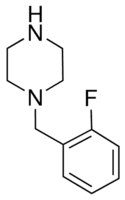
1-(2-Fluorobenzyl)piperazine
C11H15FN2
Chemical Synthesis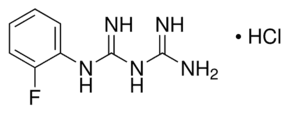
1-(2-Fluorophenyl)biguanide hydrochloride
Chemical Synthesis
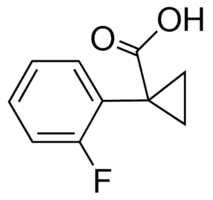
1-(2-Fluorophenyl)cyclopropanecarboxylic acid
C10H9FO2
Chemical Synthesis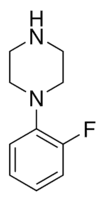
1-(2-Fluorophenyl)piperazine
C10H13FN2
Chemical Synthesis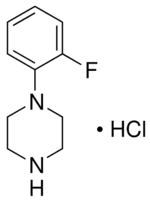
1-(2-Fluorophenyl)piperazine monohydrochloride
C10H13FN2 · HCl
Chemical Synthesis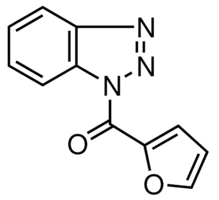
1-(2-Furoyl)-1H-benzotriazole
C11H7N3O2
Chemical Synthesis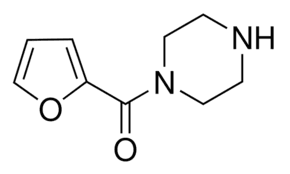
1-(2-Furoyl)piperazine
C9H12N2O2
Chemical Synthesis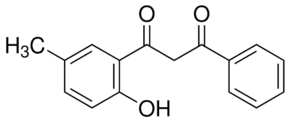
1-(2-Hydroxy-5-methylphenyl)-3-phenyl-1,3-propanedione
Chemical Synthesis
▶ Explore more

Bis(cyclopentadienyl)cobalt(III) hexafluorophosphate
C10H10CoF6P
Catalysis & Inorganic
1-(4-Chlorophenyl)biguanide hydrochloride
ClC6H4NHC(NH)NHC(NH)NH2 · HCl
Chemical Synthesis
Bis(cyclopentadienyl)dimethylzirconium(IV)
Catalysis & Inorganic

1-(4-Chlorophenyl)ethanol
ClC6H4CH(CH3)OH
Chemical Synthesis