
D-(−)-Arabinose
D-(−)-Arabinose (CAS: 10323-20-3, C5H10O5) is a pentose sugar and a D-ribose analogue. It is a component of various natural sugar polymers, including the arabinogalactans found in mycobacterial cell walls and plant tissues. This compound serves as a substrate for identifying and characterising arabinose isomerases, which are vital in the industrial production of tagatose, a low-calorie sweetener.
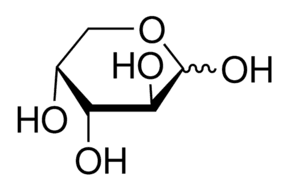
Biochemical Research
D-(-)-Arabinose is utilised as a substrate in biochemical assays to identify and differentiate arabinose isomerase enzymes. This is crucial for understanding metabolic pathways and for the development of biotechnological processes.
Sweetener Production
It acts as a key substrate in the commercial production of tagatose, a low-calorie sweetener. Arabinose isomerases, identified using D-(-)-Arabinose, catalyse this conversion.
Cell Biology Studies
As a naturally occurring sugar found in cell walls, D-(-)-Arabinose can be used in studies related to cell wall biosynthesis and structure in various organisms.
Culture Media Component
The suitability of D-(-)-Arabinose for component in culture media makes it valuable for microbiological research and diagnostics.
| Molecular weight | 150.13 |
|---|---|
| Empirical formula | C5H10O5 |
| Assay | ≥98% |
| Solubility | H2O: soluble1 M at 20 °C, clear, colorless to faintly yellow |
| Impurities tested | ≤0.0005% Phosphorus (P)≤0.1% Insoluble matter |
| Application | D-(-)-Arabinose is a D-ribose analogue present in sugar polymers such as the arabinogalatans of mycobacterial cell walls and plant tissues. D-Arabinose is a substrate used to identify, differentiate and characterize arabinose isomerase(s) that have commercial value in the production of tagatose, a low calorie sweetener. |
| Suitability | suitable for component for culture media |
| Melting point | 162-164 °C(lit.) |
| Water hazard class (WGK, DE) | 3 |
|---|---|
| Cation traces | Al: ≤0.0005%Ca: ≤0.001%Cu: ≤0.0005%Fe: ≤0.0005%K: ≤0.005%Mg: ≤0.0005%NH4+: ≤0.05%Na: ≤0.005%Pb: ≤0.001%Zn: ≤0.001% |
| Anion traces | chloride (Cl-): ≤0.05%sulfate (SO42-): ≤0.05% |
| Ignition residue | ≤0.1% |
Hazard information is provided for guidance. Always consult the product Safety Data Sheet (SDS), available on request, before handling.
Documentation
Every batch ships with a Certificate of Analysis covering assay, identity and purity; the grade is confirmed against your enquiry. Safety Data Sheets and technical data sheets are available on request.
Supply & logistics
Samples for technical evaluation; bulk MOQ by grade and packaging. In-stock material ships in 7–10 working days, worldwide, with full export documentation.
What is D-(−)-Arabinose used for?
+
D-(-)-Arabinose is used as a substrate in identifying and differentiating arabinose isomerases, which are important for the production of the low-calorie sweetener tagatose. It is also suitable as a component for culture media.
What is the CAS number and chemical formula for D-(−)-Arabinose?
+
The CAS number for D-(−)-Arabinose is 10323-20-3, and its chemical formula is C5H10O5.
What grade and purity does Tech Serve Solutions supply for D-(−)-Arabinose?
+
Tech Serve Solutions supplies D-(−)-Arabinose with an assay of ≥98%. This product is not represented as USP, BP, or EP grade.
How should D-(−)-Arabinose be handled safely?
+
D-(−)-Arabinose is classified with a WGK Germany rating of 3, indicating it is hazardous to water. Handle with appropriate personal protective equipment and avoid release into the environment.
How is D-(−)-Arabinose packed, shipped, or exported?
+
Tech Serve Solutions reliably packs, ships, and exports D-(−)-Arabinose globally, adhering to all necessary regulations for chemical transport.
How can I request a sample or quote for D-(−)-Arabinose?
+
To request a sample or a quote for D-(−)-Arabinose, please contact our sales team through the website or by phone.
▶ Related products
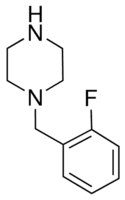
1-(2-Fluorobenzyl)piperazine
C11H15FN2
Chemical Synthesis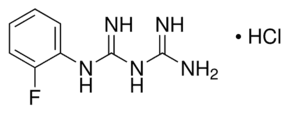
1-(2-Fluorophenyl)biguanide hydrochloride
Chemical Synthesis
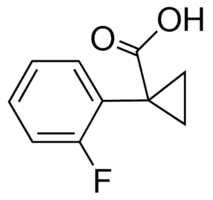
1-(2-Fluorophenyl)cyclopropanecarboxylic acid
C10H9FO2
Chemical Synthesis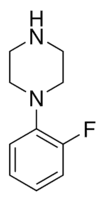
1-(2-Fluorophenyl)piperazine
C10H13FN2
Chemical Synthesis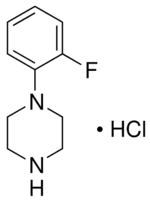
1-(2-Fluorophenyl)piperazine monohydrochloride
C10H13FN2 · HCl
Chemical Synthesis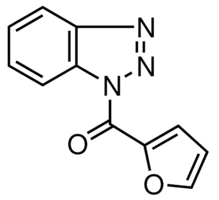
1-(2-Furoyl)-1H-benzotriazole
C11H7N3O2
Chemical Synthesis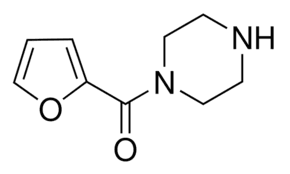
1-(2-Furoyl)piperazine
C9H12N2O2
Chemical Synthesis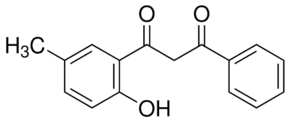
1-(2-Hydroxy-5-methylphenyl)-3-phenyl-1,3-propanedione
Chemical Synthesis
▶ Explore more

Bis(cyclopentadienyl)cobalt(III) hexafluorophosphate
C10H10CoF6P
Catalysis & Inorganic
1-(4-Chlorophenyl)biguanide hydrochloride
ClC6H4NHC(NH)NHC(NH)NH2 · HCl
Chemical Synthesis
Bis(cyclopentadienyl)dimethylzirconium(IV)
Catalysis & Inorganic

1-(4-Chlorophenyl)ethanol
ClC6H4CH(CH3)OH
Chemical Synthesis