Cytochalasin E from Aspergillus clavatus
Cytochalasin E from Aspergillus clavatus (CAS: 36011-19-5), a potent bioactive small molecule with the formula C28H33NO7 and a molecular weight of 495.56 g/mol, is primarily recognised for its significant role as an actin inhibitor. This compound is widely utilised in cell biology research for its effects on the cytoskeleton and cellular processes. It serves as a valuable tool for investigating cell division, motility, and other actin-dependent functions in various biological systems.
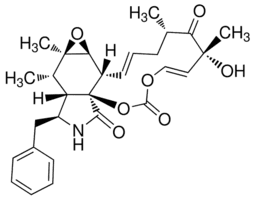
Actin Polymerisation Inhibition
Cytochalasin E effectively disrupts actin filament polymerisation, making it an essential research tool for studying cellular processes dependent on the dynamic organisation of the cytoskeleton. It is used to probe the roles of actin in cell shape, migration, and division.
Cellular Morphology Studies
By inhibiting actin dynamics, Cytochalasin E causes characteristic changes in cell morphology, such as the formation of cell blebs and loss of cell adhesion. Researchers utilise these effects to understand the structural requirements for cell integrity and movement.
Investigation of Cell Motility and Migration
The compound's ability to interfere with the actin cytoskeleton makes it useful for studying the mechanisms underlying cell migration, a fundamental process in development, immunity, and disease progression like cancer metastasis.
Cytoskeletal Research Reagent
As a well-characterised inhibitor, Cytochalasin E serves as a standard reagent in laboratories focused on cytoskeletal research, helping to elucidate the complex interplay between actin and other cellular components.
| Molecular weight | 495.56 |
|---|---|
| Empirical formula | C28H33NO7 |
| Storage temperature | −20°C |


Hazard statements
- H300Fatal if swallowed
- H310Fatal in contact with skin
- H330Fatal if inhaled
- H361Suspected of damaging fertility or the unborn child
Precautionary statements
- P260Do not breathe dust, fume, gas, mist, vapours or spray
- P264Wash thoroughly after handling
- P280Wear protective gloves, clothing and eye/face protection
- P284Wear respiratory protection
- P301IF SWALLOWED
- P302IF ON SKIN
| Protective equipment | Eyeshields, Faceshields, full-face particle respirator type N100 (US), Gloves, respirator cartridge type N100 (US), type P1 (EN143) respirator filter, type P3 (EN 143) respirator cartridges |
|---|---|
| Transport (UN / ADR) | UN 1544 6.1/PG 2 |
| Water hazard class (WGK, DE) | 3 |
| Hazard codes (EU) | T+ |
| Risk statements (R) | 63-26/27/28 |
| Safety statements (S) | 28-36/37-45 |
Hazard information is provided for guidance. Always consult the product Safety Data Sheet (SDS), available on request, before handling.
Documentation
Every batch ships with a Certificate of Analysis covering assay, identity and purity; the grade is confirmed against your enquiry. Safety Data Sheets and technical data sheets are available on request.
Supply & logistics
Samples for technical evaluation; bulk MOQ by grade and packaging. In-stock material ships in 7–10 working days, worldwide, with full export documentation.
What is Cytochalasin E used for?
+
Cytochalasin E is primarily used in research as an actin inhibitor to study cellular processes, including cell division, cell motility, and the dynamics of the cytoskeleton. It helps researchers investigate the roles of actin in maintaining cell shape and enabling cell movement.
What are the CAS number and formula for Cytochalasin E?
+
The CAS number for Cytochalasin E is 36011-19-5, and its empirical formula is C28H33NO7.
What grade and purity does Tech Serve Solutions supply?
+
Tech Serve Solutions supplies Cytochalasin E as a research-grade chemical. The specific purity is detailed in the product's Certificate of Analysis. We do not represent this product as USP, BP, EP, or any other pharmacopoeial grade.
How should Cytochalasin E be handled safely?
+
Cytochalasin E is a dangerous substance requiring careful handling. It is acutely toxic if swallowed, in contact with skin, or if inhaled (H300, H310, H330) and may damage fertility or the unborn child (H361). Always use appropriate personal protective equipment, including eyeshields, gloves, and a suitable respirator, and handle only in a well-ventilated area or fume hood. Refer to the safety data sheet for comprehensive handling instructions.
Is Cytochalasin E a controlled substance?
+
The provided data does not indicate that Cytochalasin E is a controlled substance. However, users should always comply with local regulations regarding the purchase and use of chemical reagents.
How is Cytochalasin E shipped and exported?
+
Tech Serve Solutions is an experienced global supplier and exporter of fine chemicals. Cytochalasin E is shipped according to international regulations for hazardous materials, ensuring safe and compliant transport to your location.
How can I request a sample or quote for Cytochalasin E?
+
To request a sample or a quote for Cytochalasin E, please contact our sales department via the website or email, providing your contact details and the quantity required. Our team will respond promptly.
▶ Related products
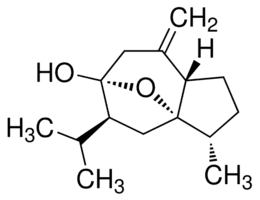
(−)-Curcumol
C15H24O2
Cell Biology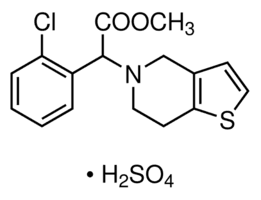
(±) Clopidogrel hydrogensulfate
Cell Biology
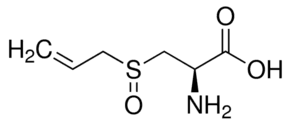
(±)-L-Alliin
C6H11NO3S
Cell Biology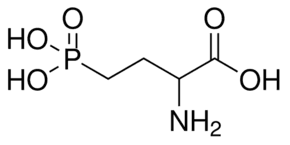
(±)-2-Amino-4-phosphonobutyric acid
C4H10NO5P
Cell Biology
(±)-2-Methylarachidonoyl-2′-fluoroethylamide
C23H38NOF
Cell Biology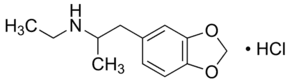
(±)-3,4-Methylenedioxy-N-ethylamphetamine hydrochloride
Cell Biology
(±)-3,4-Methylenedioxyamphetamine hydrochloride
Cell Biology
(±)-3,4-Methylenedioxymethamphetamine hydrochloride
Cell Biology