
Cysteamine hydrochloride
Cysteamine hydrochloride (CAS: 156-57-0) is an aminothiol with the linear formula HSCH₂CH₂NH₂ · HCl and a molecular weight of 113.61 g/mol. This compound acts as a reducing agent, capable of converting oxidised disulfide molecules like cystine into cysteine. It finds utility in various scientific applications, including the regulation of gene expression, depletion of somatostatin, and the development of nanoparticle coatings.
- IUPAC
- β-Mercaptoethylamine hydrochloride,2-Mercaptoethylamine hydrochloride,2-Aminoethanethiol hydrochloride,Decarboxycysteine hydrochloride,Thioethanolamine hydrochloride
- Synonyms
- β-Mercaptoethylamine hydrochloride2-Mercaptoethylamine hydrochloride2-Aminoethanethiol hydrochlorideDecarboxycysteine hydrochlorideThioethanolamine hydrochloride
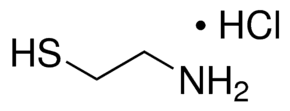
Biochemical Reductant
Cysteamine hydrochloride functions as a potent reducing agent, effectively breaking disulfide bonds in molecules such as cystine to yield cysteine. This property is valuable in biochemical research for manipulating protein structure and function.
Chemical Synthesis
As an organic building block containing both amine and thiol functionalities, Cysteamine hydrochloride serves as a versatile intermediate in the synthesis of more complex organic molecules. Its reactivity allows for diverse chemical transformations.
Nanoparticle Functionalization
The compound can be employed in the surface modification of nanoparticles. Its thiol group allows for strong binding to noble metal surfaces, enabling the creation of functionalized nanoparticles for various applications.
Gene Expression and Hormone Regulation
Research indicates Cysteamine hydrochloride's role in modulating cellular processes, including the regulation of gene expression and the depletion of hormones like somatostatin. These effects highlight its potential in biochemical and physiological studies.
| Molecular weight | 113.61 |
|---|---|
| Linear formula | HSCH2CH2NH2 · HCl |
| Assay | ≥97.0% (RT) |
| Solubility | H2O: soluble1 m at 20 °C, clear, colorless |
| pH | 3.5-5.0 (25 °C, 1 M in H2O) |
| Storage temperature | 2-8°C |
| Application | Cysteamine is an aminothiol that can reduce important oxidized disulfide molecules such as cystine to yield cysteine. Cysteamine is used in a wide range of applications from regulation of gene expression, to depletion of somatostatin, to coating of nanoparticles. |
| Melting point | 64-70 °C67-71 °C |

Hazard statements
- H302Harmful if swallowed
| Protective equipment | dust mask type N95 (US), Eyeshields, Gloves |
|---|---|
| Transport (UN / ADR) | UN 3335 |
| Water hazard class (WGK, DE) | 3 |
| Hazard codes (EU) | Xn |
| Risk statements (R) | 22 |
| Anion traces | sulfate (SO42-): ≤50 mg/kg |
Hazard information is provided for guidance. Always consult the product Safety Data Sheet (SDS), available on request, before handling.
| Uv Absorption | λ: 280 nm Amax: ≤0.3 |
|---|---|
| Absorption | absorption1M/270 nm, H2O cut-off |
Documentation
Every batch ships with a Certificate of Analysis covering assay, identity and purity; the grade is confirmed against your enquiry. Safety Data Sheets and technical data sheets are available on request.
Supply & logistics
Samples for technical evaluation; bulk MOQ by grade and packaging. In-stock material ships in 7–10 working days, worldwide, with full export documentation.
What is Cysteamine hydrochloride used for?
+
Cysteamine hydrochloride is used in biochemical research as a reducing agent to break disulfide bonds, in chemical synthesis as an organic building block, for the functionalization of nanoparticles, and in studies involving gene expression and hormone regulation.
What is the CAS number and formula for Cysteamine hydrochloride?
+
The CAS number for Cysteamine hydrochloride is 156-57-0, and its linear formula is HSCH₂CH₂NH₂ · HCl.
What grade and purity does Tech Serve Solutions supply?
+
Tech Serve Solutions supplies Cysteamine hydrochloride with an assay of ≥97.0% (RT). We do not represent this product as USP, BP, EP, or any other pharmacopoeia grade unless explicitly stated otherwise in the specifications.
What are the safety considerations for handling Cysteamine hydrochloride?
+
Cysteamine hydrochloride is classified as harmful if swallowed (H302). Appropriate personal protective equipment, including a dust mask (type N95), eyeshields, and gloves, should be worn when handling this chemical. Refer to the safety data sheet for comprehensive handling instructions.
How is Cysteamine hydrochloride packed, shipped, and exported?
+
Cysteamine hydrochloride is carefully packed to ensure stability during transit. As a global supplier, Tech Serve Solutions has extensive experience in exporting chemicals worldwide, adhering to all relevant shipping regulations.
How can I request a sample or quote for Cysteamine hydrochloride?
+
To request a sample or a quote for Cysteamine hydrochloride, please contact our sales team through the website or by phone. Our representatives will be pleased to assist you with your inquiry.
▶ Related products
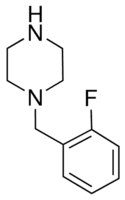
1-(2-Fluorobenzyl)piperazine
C11H15FN2
Chemical Synthesis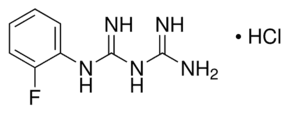
1-(2-Fluorophenyl)biguanide hydrochloride
Chemical Synthesis
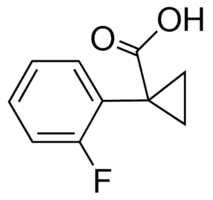
1-(2-Fluorophenyl)cyclopropanecarboxylic acid
C10H9FO2
Chemical Synthesis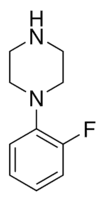
1-(2-Fluorophenyl)piperazine
C10H13FN2
Chemical Synthesis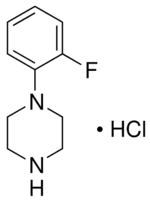
1-(2-Fluorophenyl)piperazine monohydrochloride
C10H13FN2 · HCl
Chemical Synthesis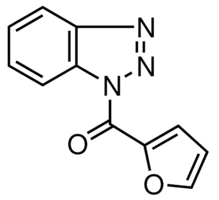
1-(2-Furoyl)-1H-benzotriazole
C11H7N3O2
Chemical Synthesis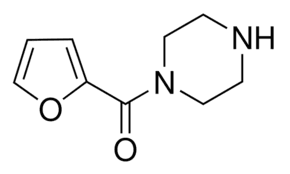
1-(2-Furoyl)piperazine
C9H12N2O2
Chemical Synthesis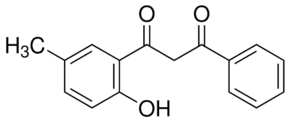
1-(2-Hydroxy-5-methylphenyl)-3-phenyl-1,3-propanedione
Chemical Synthesis
▶ Explore more

Bis(cyclopentadienyl)cobalt(III) hexafluorophosphate
C10H10CoF6P
Catalysis & Inorganic
1-(4-Chlorophenyl)biguanide hydrochloride
ClC6H4NHC(NH)NHC(NH)NH2 · HCl
Chemical Synthesis
Bis(cyclopentadienyl)dimethylzirconium(IV)
Catalysis & Inorganic

1-(4-Chlorophenyl)ethanol
ClC6H4CH(CH3)OH
Chemical Synthesis