
Cyclopropylboronic acid
Cyclopropylboronic acid (CAS: 411235-57-9, Formula: C3H7BO2) is a valuable organoboron compound with a molecular weight of 85.90 g/mol. It serves as a key reagent in various modern synthetic methodologies, particularly in cross-coupling reactions and functionalization of cyclopropane rings. Its utility is well-documented in academic literature for the synthesis of complex organic molecules, making it an important building block for research and development in medicinal chemistry and materials science.
- IUPAC
- Cyclopropaneboronic acid
- Synonyms
- Cyclopropaneboronic acid
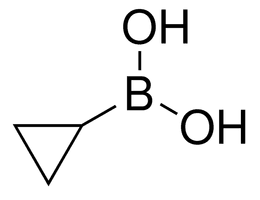
Suzuki-Miyaura Coupling
Cyclopropylboronic acid is employed in nickel- and copper-catalyzed Suzuki-Miyaura coupling reactions of arenes, and in palladacycle-catalyzed Suzuki-cross coupling of aryl halides. This enables the efficient formation of carbon-carbon bonds.
N-Cyclopropylation Reactions
This reagent facilitates microwave-assisted copper(II)-catalyzed N-cyclopropylation reactions, providing a pathway for introducing cyclopropyl groups onto nitrogen atoms.
Cyclopropane C-H Bond Functionalization
It is utilized in palladium(0)-catalyzed cyclopropane C-H bond functionalization, offering direct methods for modifying cyclopropane structures.
Decarboxylative Coupling
The compound participates in palladium-catalyzed decarboxylative coupling reactions, contributing to versatile synthetic strategies.
Preparation of Pharmaceutical Intermediates
Cyclopropylboronic acid is instrumental in the preparation of compounds like aminothiazolylpyrrolidine-based tartrate diamides, which are investigated as TACE inhibitors for treating inflammatory disorders and cancer.
| Molecular weight | 85.90 |
|---|---|
| Empirical formula | C3H7BO2 |
| Storage temperature | −20°C |
| Application | Reagent used for• Microwave-assisted copper(II)-catalyzed N-cyclopropylation1• Nickel- and copper-catalyzed Suzuki-Miyaura coupling reaction of arenes2• Palladacycle-catalyzed Suzuki-cross coupling of aryl halides with cyclopropylboronic acid3• Palladium(0)-catalyzed cyclopropane C-H bond functionalization4• Palladium-catalyzed decarboxylative coupling5• Palladium-catalyzed ligand-directed oxidative functionalization of cyclopropanes6• Palladium-catalyzed Suzuki coupling reaction7Reagent used in Preparation of• Diaryl ketones by arylation of arylboronic acids with aromatic aldehydes catalyzed by Cu(OTf)2 and Xantphos8 • Aminothiazolylpyrrolidine-based tartrate diamides as TACE inhibitors to treat inflammatory disorders and cancer9 |
| Melting point | 90-95 °C(lit.) |


Hazard statements
- H302Harmful if swallowed
- H318Causes serious eye damage
- H360FD
Precautionary statements
- P201Obtain special instructions before use
- P280Wear protective gloves, clothing and eye/face protection
- P305IF IN EYES
- P308IF exposed or concerned
| Water hazard class (WGK, DE) | 3 |
|---|---|
| Hazard codes (EU) | T |
| Risk statements (R) | 60-61-22-36 |
| Safety statements (S) | 53-26-45 |
Hazard information is provided for guidance. Always consult the product Safety Data Sheet (SDS), available on request, before handling.
Documentation
Every batch ships with a Certificate of Analysis covering assay, identity and purity; the grade is confirmed against your enquiry. Safety Data Sheets and technical data sheets are available on request.
Supply & logistics
Samples for technical evaluation; bulk MOQ by grade and packaging. In-stock material ships in 7–10 working days, worldwide, with full export documentation.
What is Cyclopropylboronic acid used for?
+
Cyclopropylboronic acid is used as a reagent in various synthetic applications, including N-cyclopropylation, Suzuki-Miyaura coupling reactions, cyclopropane C-H bond functionalization, and decarboxylative coupling. It is also used in the preparation of pharmaceutical intermediates.
What is the CAS number and formula for Cyclopropylboronic acid?
+
The CAS number for Cyclopropylboronic acid is 411235-57-9 and its empirical formula is C3H7BO2.
What grade and purity does Tech Serve Solutions supply?
+
Tech Serve Solutions supplies Cyclopropylboronic acid. The specific grade and purity available may vary. Please contact us for current availability. We do not represent this product as USP, BP, or EP grade.
How should Cyclopropylboronic acid be handled?
+
Cyclopropylboronic acid is a danger hazard and is harmful if swallowed, causes serious eye damage, and may damage fertility or the unborn child. Handle with extreme caution in a well-ventilated area, wearing appropriate personal protective equipment including gloves, eye protection, and protective clothing. Refer to the Safety Data Sheet (SDS) for detailed handling and emergency procedures.
Is Cyclopropylboronic acid a controlled substance?
+
Based on the provided data, there is no indication that Cyclopropylboronic acid is a controlled substance. However, regulations can vary by jurisdiction.
How is Cyclopropylboronic acid shipped and exported?
+
Tech Serve Solutions is a specialist global supplier and exporter of fine chemicals. Cyclopropylboronic acid is carefully packaged according to international shipping regulations and can be exported worldwide. Please contact us for specific shipping details and import requirements for your region.
How can I request a sample or quote for Cyclopropylboronic acid?
+
To request a sample or a quote for Cyclopropylboronic acid, please use the 'Request a Quote' or 'Sample Request' function on our website, or contact our sales department directly with your inquiry.
▶ Related products
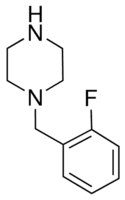
1-(2-Fluorobenzyl)piperazine
C11H15FN2
Chemical Synthesis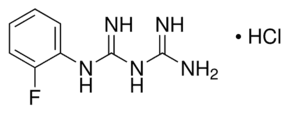
1-(2-Fluorophenyl)biguanide hydrochloride
Chemical Synthesis
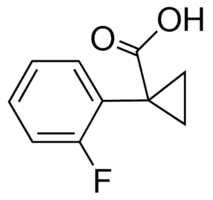
1-(2-Fluorophenyl)cyclopropanecarboxylic acid
C10H9FO2
Chemical Synthesis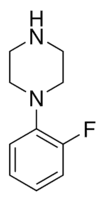
1-(2-Fluorophenyl)piperazine
C10H13FN2
Chemical Synthesis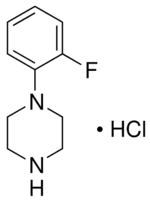
1-(2-Fluorophenyl)piperazine monohydrochloride
C10H13FN2 · HCl
Chemical Synthesis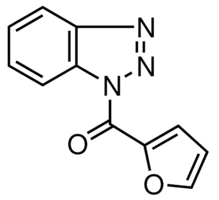
1-(2-Furoyl)-1H-benzotriazole
C11H7N3O2
Chemical Synthesis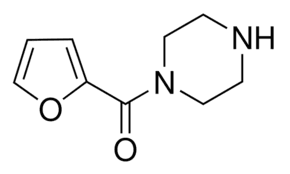
1-(2-Furoyl)piperazine
C9H12N2O2
Chemical Synthesis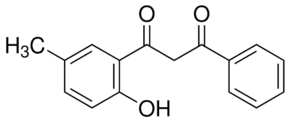
1-(2-Hydroxy-5-methylphenyl)-3-phenyl-1,3-propanedione
Chemical Synthesis
▶ Explore more

Bis(cyclopentadienyl)cobalt(III) hexafluorophosphate
C10H10CoF6P
Catalysis & Inorganic
1-(4-Chlorophenyl)biguanide hydrochloride
ClC6H4NHC(NH)NHC(NH)NH2 · HCl
Chemical Synthesis
Bis(cyclopentadienyl)dimethylzirconium(IV)
Catalysis & Inorganic

1-(4-Chlorophenyl)ethanol
ClC6H4CH(CH3)OH
Chemical Synthesis