
Cyanuric chloride
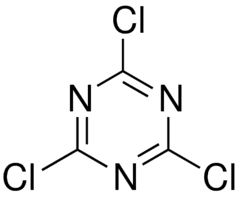
Cyanuric chloride (CAS: 108-77-0, C3Cl3N3) is a key chemical intermediate with a molecular weight of 184.41 g/mol. This compound is a versatile reagent used in organic synthesis, particularly for converting alcohols to chlorides and for the immobilization of microorganisms and enzymes. Its reactive nature makes it valuable in various chemical processes, including chlorination and the formation of C-X bonds. Tech Serve Solutions supplies this high-purity chemical for research and industrial applications.
- IUPAC
- 2,4,6-Trichloro-1,3,5-triazine
- Synonyms
- 2,4,6-Trichloro-1,3,5-triazine
Alcohol to Chloride Conversion
Cyanuric chloride serves as an effective reagent for the chlorination of alcohols, transforming hydroxyl groups into chlorine atoms. This reaction is fundamental in the synthesis of various chlorinated organic compounds.
Biomolecule Immobilization
This compound is employed to immobilise microorganisms and enzymes onto solid supports. This application is crucial in biocatalysis and the development of biosensors, enabling the reuse of valuable biological catalysts.
Triazine Synthesis
As a triazine derivative itself, cyanuric chloride is a fundamental building block for the synthesis of more complex triazine compounds. These structures find applications in dyes, herbicides, and pharmaceuticals.
Chemical Synthesis Reagent
Its reactivity allows cyanuric chloride to participate in a wide range of synthetic transformations, including halogenation and coupling reactions. It is a valuable tool for chemists in creating diverse molecular architectures.
| Molecular weight | 184.41 |
|---|---|
| Empirical formula | C3Cl3N3 |
| Assay | 99% |
| Boiling point | 190 °C(lit.) |
| Vapour pressure | 0.8 mmHg (62.2 °C) |
| Vapour density | 6.36 (vs air) |
| Storage temperature | 2-8°C |
| Melting point | 145-147 °C(lit.) |
| Application | Reagent for the conversion of alcohols to chlorides and for the immobilization of microorganisms and enzymes.1 |


Hazard statements
- H302Harmful if swallowed
- H314Causes severe skin burns and eye damage
- H317May cause an allergic skin reaction
- H330Fatal if inhaled
- H335May cause respiratory irritation
Precautionary statements
- P260Do not breathe dust, fume, gas, mist, vapours or spray
- P280Wear protective gloves, clothing and eye/face protection
- P284Wear respiratory protection
- P305IF IN EYES
- P310Immediately call a POISON CENTER or doctor
| Protective equipment | Eyeshields, Faceshields, full-face particle respirator type N100 (US), Gloves, respirator cartridge type N100 (US), type P1 (EN143) respirator filter, type P3 (EN 143) respirator cartridges |
|---|---|
| Flash point | >200 °C / >392 °F |
| Transport (UN / ADR) | UN 2670 8 / PGII |
| Water hazard class (WGK, DE) | 1 |
| Hazard codes (EU) | T+ |
| Risk statements (R) | 14-22-26-34-43 |
| Safety statements (S) | 26-28-36/37/39-45-46-63 |
| Supplemental hazards | Reacts violently with water. |
Hazard information is provided for guidance. Always consult the product Safety Data Sheet (SDS), available on request, before handling.
Documentation
Every batch ships with a Certificate of Analysis covering assay, identity and purity; the grade is confirmed against your enquiry. Safety Data Sheets and technical data sheets are available on request.
Supply & logistics
Samples for technical evaluation; bulk MOQ by grade and packaging. In-stock material ships in 7–10 working days, worldwide, with full export documentation.
What is Cyanuric chloride used for?
+
Cyanuric chloride (CAS: 108-77-0) is primarily used as a reagent for converting alcohols to chlorides and for immobilising microorganisms and enzymes. It is also a key building block in chemical synthesis, particularly for triazine derivatives.
What is the CAS number and formula for Cyanuric chloride?
+
The CAS number for Cyanuric chloride is 108-77-0, and its chemical formula is C3Cl3N3.
What grade and purity does Tech Serve Solutions supply?
+
Tech Serve Solutions supplies Cyanuric chloride with an assay of 99%. We do not represent this product as USP, BP, or EP grade unless explicitly stated in the product specifications.
How should Cyanuric chloride be handled safely?
+
Cyanuric chloride is a corrosive and toxic substance that reacts violently with water. Handle with appropriate personal protective equipment, including eyeshields, gloves, and a suitable respirator. Ensure adequate ventilation and avoid contact with moisture. Refer to the Safety Data Sheet for comprehensive handling guidelines.
How is Cyanuric chloride packed and exported?
+
Cyanuric chloride is carefully packed according to UN 2670 regulations for transport as a Class 8, Packing Group II hazardous material. Tech Serve Solutions ensures compliant packaging for global export.
How can I request a quote or sample of Cyanuric chloride?
+
To request a quote or sample of Cyanuric chloride, please contact our sales team through the website or by phone, providing your specific requirements.
▶ Related products
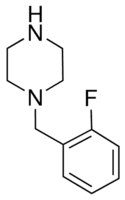
1-(2-Fluorobenzyl)piperazine
C11H15FN2
Chemical Synthesis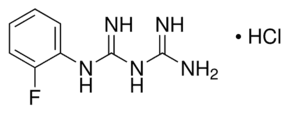
1-(2-Fluorophenyl)biguanide hydrochloride
Chemical Synthesis
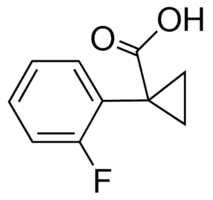
1-(2-Fluorophenyl)cyclopropanecarboxylic acid
C10H9FO2
Chemical Synthesis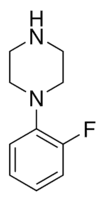
1-(2-Fluorophenyl)piperazine
C10H13FN2
Chemical Synthesis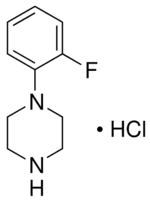
1-(2-Fluorophenyl)piperazine monohydrochloride
C10H13FN2 · HCl
Chemical Synthesis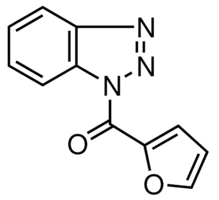
1-(2-Furoyl)-1H-benzotriazole
C11H7N3O2
Chemical Synthesis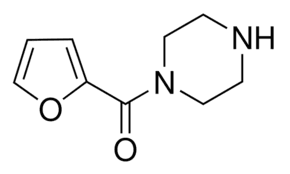
1-(2-Furoyl)piperazine
C9H12N2O2
Chemical Synthesis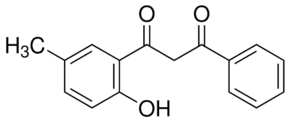
1-(2-Hydroxy-5-methylphenyl)-3-phenyl-1,3-propanedione
Chemical Synthesis
▶ Explore more

Bis(cyclopentadienyl)cobalt(III) hexafluorophosphate
C10H10CoF6P
Catalysis & Inorganic
1-(4-Chlorophenyl)biguanide hydrochloride
ClC6H4NHC(NH)NHC(NH)NH2 · HCl
Chemical Synthesis
Bis(cyclopentadienyl)dimethylzirconium(IV)
Catalysis & Inorganic

1-(4-Chlorophenyl)ethanol
ClC6H4CH(CH3)OH
Chemical Synthesis