
Cyanogen bromide
Cyanogen bromide (CAS 506-68-3), with the linear formula BrCN and a molar mass of 105.92 g/mol, is a volatile, colourless solid. It is highly soluble in water, alcohol, and diethyl ether. This compound serves as a critical building block in chemical synthesis, particularly within organic chemistry for the introduction of the cyano group or as a reagent in the formation of heterocyclic compounds. Its applications extend to the synthesis of novel organic molecules and research in fullerene chemistry.
- IUPAC
- Bromine cyanide
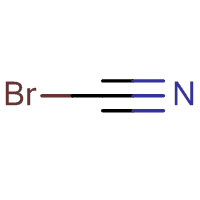
Organic Synthesis Reagent
Cyanogen bromide is a versatile reagent used in organic synthesis for introducing cyano groups into molecules or for the formation of various heterocyclic structures. It plays a role in the synthesis of complex organic compounds.
Fullerene Chemistry
A specific application involves the reaction with C60Ph5Cl to produce novel phenylated isoquinolino[3′,4′:1,2][60]fullerenes, contributing to advanced materials research and fullerene functionalisation.
Research and Development
Utilised in laboratory settings for a range of chemical research, including the development of new synthetic methodologies and the exploration of novel molecular architectures.
| Molecular weight | 105.92 |
|---|---|
| Linear formula | BrCN |
| Assay | 99.995% trace metals basis |
| Boiling point | 61-62 °C(lit.) |
| Density | 1.093 g/mL at 25 °C |
| Solubility | alcohol: freely soluble(lit.)diethyl ether: freely soluble(lit.)water: freely soluble(lit.) |
| Concentration | 5.0 M in acetonitrile |
| Melting point | 50-53 °C(lit.) |
| Vapour pressure | 100 mmHg (22.6 °C) |
| Vapour density | 3.65 (vs air) |
| Storage temperature | 2-8°C |
| Application | Reaction with C60Ph5Cl produces a novel phenylated isoquinolino[3′,4′:1,2][60]fullerene.1 |


Hazard statements
- H300Fatal if swallowed
- H314Causes severe skin burns and eye damage
- H410Very toxic to aquatic life with long-lasting effects
Precautionary statements
- P260Do not breathe dust, fume, gas, mist, vapours or spray
- P264Wash thoroughly after handling
- P273Avoid release to the environment
- P280Wear protective gloves, clothing and eye/face protection
- P284Wear respiratory protection
- P301IF SWALLOWED
| Protective equipment | dust mask type N95 (US), Eyeshields, Faceshields, full-face particle respirator type N100 (US), Gloves, respirator cartridge type N100 (US), type P1 (EN143) respirator filter, type P2 (EN 143) respirator cartridges, type P3 (EN 143) respirator cartridges |
|---|---|
| Transport (UN / ADR) | UN 1889 8(6.1) / PGI |
| Water hazard class (WGK, DE) | 3 |
| Hazard codes (EU) | T+,N |
| Risk statements (R) | 26/27/28-32-34-50/53 |
| Safety statements (S) | 7-26-28-29-36/37/39-45-60-61 |
| Supplemental hazards | Contact with acids liberates very toxic gas. |
Hazard information is provided for guidance. Always consult the product Safety Data Sheet (SDS), available on request, before handling.
Documentation
Every batch ships with a Certificate of Analysis covering assay, identity and purity; the grade is confirmed against your enquiry. Safety Data Sheets and technical data sheets are available on request.
Supply & logistics
Samples for technical evaluation; bulk MOQ by grade and packaging. In-stock material ships in 7–10 working days, worldwide, with full export documentation.
What is Cyanogen bromide used for?
+
Cyanogen bromide (CAS 506-68-3) is primarily used as a reagent in organic synthesis, for introducing cyano groups, forming heterocyclic compounds, and in advanced research such as fullerene chemistry.
What are the CAS number and formula for Cyanogen bromide?
+
The CAS number for Cyanogen bromide is 506-68-3 and its linear formula is BrCN.
What grade and purity does Tech Serve Solutions supply?
+
Tech Serve Solutions supplies Cyanogen bromide with an assay of 99.995% trace metals basis. TSS does not represent this product as USP, BP, EP, or any pharmacopoeia grade.
What are the primary hazards associated with Cyanogen bromide?
+
Cyanogen bromide is a severe hazard, indicated by GHS symbols GHS05, GHS06, and GHS09, with the signal word 'Danger'. It causes severe skin burns and eye damage (H314), is acutely toxic if swallowed, in contact with skin, or if inhaled (H300 +H310 + H330), and is very toxic to aquatic life with long-lasting effects (H410). Contact with acids liberates very toxic gas. Appropriate personal protective equipment is essential.
How is Cyanogen bromide shipped and exported?
+
Cyanogen bromide is classified under UN 1889, Hazard Class 8(6.1), Packing Group I. Tech Serve Solutions is experienced in the global export of such chemicals, adhering to all relevant shipping regulations.
How can I request a quote or sample for Cyanogen bromide?
+
To request a quote or a sample of Cyanogen bromide, please contact our sales team through the website or by phone. Provide the product name and CAS number (506-68-3) for prompt service.
▶ Related products
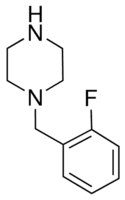
1-(2-Fluorobenzyl)piperazine
C11H15FN2
Chemical Synthesis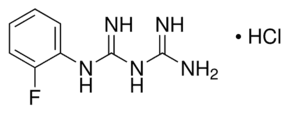
1-(2-Fluorophenyl)biguanide hydrochloride
Chemical Synthesis
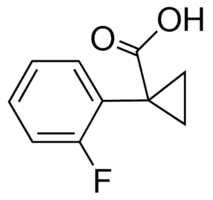
1-(2-Fluorophenyl)cyclopropanecarboxylic acid
C10H9FO2
Chemical Synthesis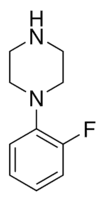
1-(2-Fluorophenyl)piperazine
C10H13FN2
Chemical Synthesis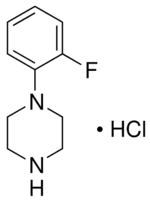
1-(2-Fluorophenyl)piperazine monohydrochloride
C10H13FN2 · HCl
Chemical Synthesis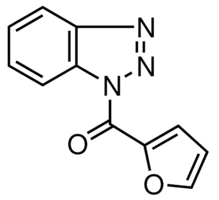
1-(2-Furoyl)-1H-benzotriazole
C11H7N3O2
Chemical Synthesis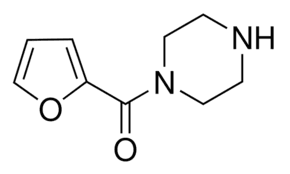
1-(2-Furoyl)piperazine
C9H12N2O2
Chemical Synthesis
1-(2-Hydroxy-5-methylphenyl)-3-phenyl-1,3-propanedione
Chemical Synthesis
▶ Explore more

Bis(cyclopentadienyl)cobalt(III) hexafluorophosphate
C10H10CoF6P
Catalysis & Inorganic
1-(4-Chlorophenyl)biguanide hydrochloride
ClC6H4NHC(NH)NHC(NH)NH2 · HCl
Chemical Synthesis
Bis(cyclopentadienyl)dimethylzirconium(IV)
Catalysis & Inorganic

1-(4-Chlorophenyl)ethanol
ClC6H4CH(CH3)OH
Chemical Synthesis