
Creatine
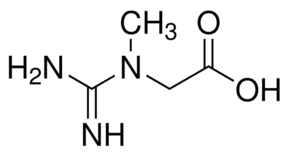
Creatine (CAS 57-00-1), with the chemical formula H2NC(=NH)N(CH3)CH2CO2H and a molecular weight of 131.13 g/mol, is an important biomolecule primarily involved in rapid ATP production in skeletal muscle tissue. It plays a crucial role in energy metabolism and is often studied for its uptake mechanisms and metabolic effects. Tech Serve Solutions supplies this compound for research and development purposes.
- IUPAC
- (α-Methylguanido)acetic acid,N-Amidinosarcosine
- Synonyms
- (α-Methylguanido)acetic acid, N-Amidinosarcosine
Energy Metabolism Research
Creatine and its phosphorylated form, phosphocreatine, are key players in the rapid regeneration of ATP in muscle cells through the creatine kinase system. This compound is valuable for studying cellular energy dynamics and metabolic pathways.
Supplementation Studies
Used in research to investigate the mechanisms of creatine uptake by cells and its subsequent metabolism. Understanding these processes can inform further research into its physiological effects.
Biochemical Research
As an amino acid derivative, Creatine is utilized in various biochemical research applications, including studies on cell biology, metabolomics, and nutrition research.
| Molecular weight | 131.13 |
|---|---|
| Linear formula | H2NC(=NH)N(CH3)CH2CO2H |
| Assay | ≥99.0% (NT) |
| Grade | anhydrous |
| Impurities tested | ≤0.5% water |
| Application | Creatine (Cr) and phosphocreatine (PCr) are involved with rapid ATP production primarily in skeletal muscle tissue via the action of creatine kinase(s). Creatine may be used as a supplement to study its uptake mechanism and metabolism of action. |
| Melting point | ~295 °C (dec.) |

Hazard statements
- H315Causes skin irritation
- H319Causes serious eye irritation
- H335May cause respiratory irritation
Precautionary statements
- P261Avoid breathing dust, fume, gas or vapours
- P305IF IN EYES
| Protective equipment | dust mask type N95 (US), Eyeshields, Gloves |
|---|---|
| Water hazard class (WGK, DE) | 3 |
| Hazard codes (EU) | Xi |
| Risk statements (R) | 36/37/38 |
| Safety statements (S) | 26-36 |
Hazard information is provided for guidance. Always consult the product Safety Data Sheet (SDS), available on request, before handling.
Documentation
Every batch ships with a Certificate of Analysis covering assay, identity and purity; the grade is confirmed against your enquiry. Safety Data Sheets and technical data sheets are available on request.
Supply & logistics
Samples for technical evaluation; bulk MOQ by grade and packaging. In-stock material ships in 7–10 working days, worldwide, with full export documentation.
What is Creatine used for?
+
Creatine is primarily studied for its role in rapid ATP production in skeletal muscle and is used in research to investigate cellular energy metabolism, uptake mechanisms, and its overall metabolic effects.
What are the CAS number and formula for Creatine?
+
The CAS number for Creatine is 57-00-1, and its chemical formula is H2NC(=NH)N(CH3)CH2CO2H.
What grade and purity does Tech Serve Solutions supply?
+
Tech Serve Solutions supplies Creatine in anhydrous grade with an assay of ≥99.0% (NT), containing ≤0.5% water. This product is supplied for research purposes and is not represented as USP, BP, or EP grade.
How should Creatine be handled safely?
+
Creatine is classified as an irritant. When handling, it is recommended to wear a dust mask type N95 (US), eyeshields, and gloves. Avoid breathing dust and ensure good ventilation. P261 and P305 + P351 + P338 are key precautionary statements.
Is Creatine a controlled substance?
+
Based on the provided data, Creatine (CAS 57-00-1) is not indicated as a controlled substance.
How is Creatine packed and exported?
+
Tech Serve Solutions specialises in the global supply and export of fine chemicals. Specific packaging and shipping details for Creatine can be provided upon request.
How can I request a sample or quote for Creatine?
+
To request a sample or a quote for Creatine, please contact our sales department through the website or by phone.
▶ Related products
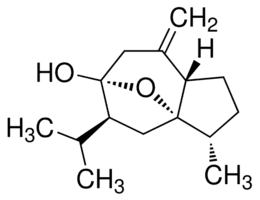
(−)-Curcumol
C15H24O2
Cell Biology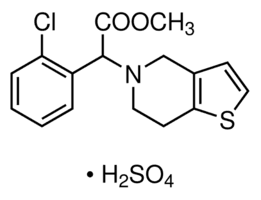
(±) Clopidogrel hydrogensulfate
Cell Biology
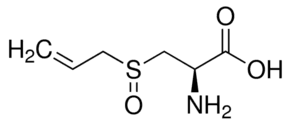
(±)-L-Alliin
C6H11NO3S
Cell Biology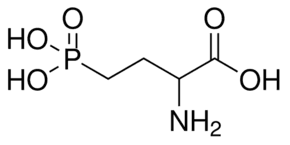
(±)-2-Amino-4-phosphonobutyric acid
C4H10NO5P
Cell Biology
(±)-2-Methylarachidonoyl-2′-fluoroethylamide
C23H38NOF
Cell Biology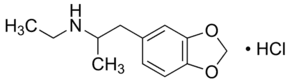
(±)-3,4-Methylenedioxy-N-ethylamphetamine hydrochloride
Cell Biology
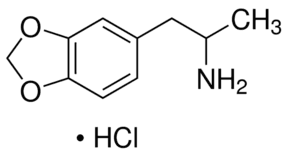
(±)-3,4-Methylenedioxyamphetamine hydrochloride
Cell Biology
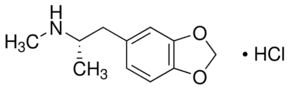
(±)-3,4-Methylenedioxymethamphetamine hydrochloride
Cell Biology
▶ Explore more

Bis(cyclopentadienyl)cobalt(III) hexafluorophosphate
C10H10CoF6P
Catalysis & Inorganic
1-(4-Chlorophenyl)biguanide hydrochloride
ClC6H4NHC(NH)NHC(NH)NH2 · HCl
Chemical Synthesis
Bis(cyclopentadienyl)dimethylzirconium(IV)
Catalysis & Inorganic

1-(4-Chlorophenyl)ethanol
ClC6H4CH(CH3)OH
Chemical Synthesis