
Coumarin
Coumarin (CAS 91-64-5) is a white crystalline solid with the molecular formula C9H6O2 and a molecular weight of 146.14 g/mol. Known for its sweet, vanilla-like scent, it is widely recognised for its application in fragrances and flavourings. Beyond its aromatic properties, coumarin serves as a valuable intermediate in the synthesis of various pharmaceuticals and agrochemicals, and is also studied for its biological activities in research settings.
- IUPAC
- 1,2-Benzopyrone,1-Benzopyran-2-one,2H-Chromen-2-one
- Synonyms
- 1-Benzopyran-2-one2H-chromen-2-one1,2-Benzopyroneo-coumaric acid lactone2H-1-Benzopyran-2-one2H-benzopyran-2-oneo-hydroxycinnamic acid delta-lactoneo-hydroxycinnamic acid lactone2-oxo-1,2-benzopyran2-oxo-2H-1-benzopyranBenzo-2-pyronebenzo-alpha-pyroneBenzopyran-2-onecis-O-coumaric acid lactonecis-O-coumarinic acid lactonecoumarinac lactoneCoumarinic acid lactonecoumarinic anhydridecumarin

Fragrance and Flavour Industry
Coumarin is extensively used as a fragrance ingredient in perfumes, soaps, and detergents due to its pleasant, sweet aroma reminiscent of freshly cut hay or vanilla. It also finds application as a flavouring agent, imparting a sweet taste to various food products.
Pharmaceutical Intermediate
The chemical structure of coumarin makes it a versatile building block for the synthesis of anticoagulant drugs (like warfarin derivatives) and other pharmacologically active compounds. Its derivatives are explored for various therapeutic applications.
Agrochemical Synthesis
Coumarin and its derivatives are employed in the development of certain pesticides and rodenticides. Its ability to interfere with blood clotting mechanisms is leveraged in some pest control applications.
Chemical Research
As a well-characterised organic compound, coumarin is used in academic and industrial research laboratories for studying reaction mechanisms, developing new synthetic methodologies, and exploring its potential biological effects.
| Molecular weight | 146.14 |
|---|---|
| Empirical formula | C9H6O2 |
| Assay | ≥99% |
| Boiling point | 298 °C(lit.) |
| Vapour pressure | 0.01 mmHg (47 °C) |
| Biological source | from syntheticfrom synthetic |
| Melting point | 68-73 °C(lit.) |

Hazard statements
- H301Toxic if swallowed
Precautionary statements
- P301IF SWALLOWED
| Protective equipment | dust mask type N95 (US), Eyeshields, Faceshields, Gloves |
|---|---|
| Transport (UN / ADR) | UN 2811 6.1 / PGIII |
| Water hazard class (WGK, DE) | 3 |
| Hazard codes (EU) | Xn |
| Risk statements (R) | 22 |
| Safety statements (S) | 36 |
Hazard information is provided for guidance. Always consult the product Safety Data Sheet (SDS), available on request, before handling.
Documentation
Every batch ships with a Certificate of Analysis covering assay, identity and purity; the grade is confirmed against your enquiry. Safety Data Sheets and technical data sheets are available on request.
Supply & logistics
Samples for technical evaluation; bulk MOQ by grade and packaging. In-stock material ships in 7–10 working days, worldwide, with full export documentation.
What is Coumarin used for?
+
Coumarin (CAS 91-64-5) is primarily used in the fragrance and flavour industry for its sweet scent and taste. It also serves as an important intermediate in the synthesis of pharmaceuticals, such as anticoagulants, and in the development of agrochemicals. It is also utilized in chemical research.
What is the CAS number and chemical formula for Coumarin?
+
The CAS number for Coumarin is 91-64-5, and its empirical formula is C9H6O2.
What grade and purity does Tech Serve Solutions supply for Coumarin?
+
Tech Serve Solutions supplies Coumarin with an assay of ≥99%. This product is intended for technical and research purposes, and TSS does not represent it as USP, BP, EP, or other pharmacopoeia grades unless explicitly stated in the product documentation.
How should Coumarin be handled safely?
+
Coumarin is classified as acutely toxic if swallowed (H301) and requires careful handling. Recommended personal protective equipment includes a dust mask (type N95 or equivalent), eyeshields, face shields, and gloves. Ensure adequate ventilation and avoid dust formation. Refer to the Safety Data Sheet for detailed handling procedures.
Is Coumarin a controlled substance?
+
The provided data does not indicate that Coumarin is a controlled substance. However, regulations can vary by region and application, and users should always verify local compliance requirements.
How is Coumarin typically packed and shipped by TSS?
+
Coumarin is typically packed according to industry standards to ensure safe transit and is exported globally by TSS. Specific packaging details can be provided upon request.
How can I request a sample or quote for Coumarin?
+
To request a sample or a quote for Coumarin, please contact the Tech Serve Solutions sales team through our website or by phone, providing your specific requirements and shipping details.
▶ Related products
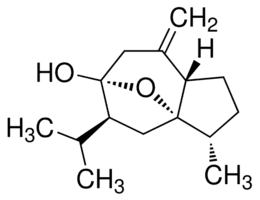
(−)-Curcumol
C15H24O2
Cell Biology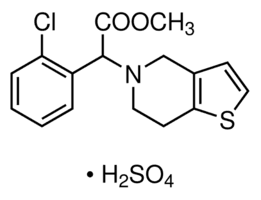
(±) Clopidogrel hydrogensulfate
Cell Biology
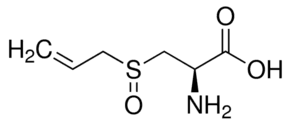
(±)-L-Alliin
C6H11NO3S
Cell Biology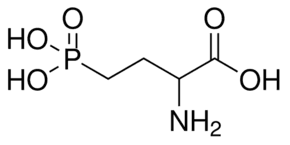
(±)-2-Amino-4-phosphonobutyric acid
C4H10NO5P
Cell Biology
(±)-2-Methylarachidonoyl-2′-fluoroethylamide
C23H38NOF
Cell Biology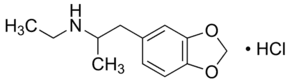
(±)-3,4-Methylenedioxy-N-ethylamphetamine hydrochloride
Cell Biology
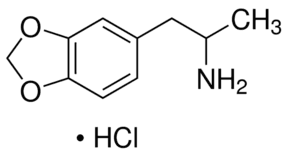
(±)-3,4-Methylenedioxyamphetamine hydrochloride
Cell Biology
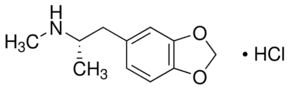
(±)-3,4-Methylenedioxymethamphetamine hydrochloride
Cell Biology
▶ Explore more

Bis(cyclopentadienyl)cobalt(III) hexafluorophosphate
C10H10CoF6P
Catalysis & Inorganic
1-(4-Chlorophenyl)biguanide hydrochloride
ClC6H4NHC(NH)NHC(NH)NH2 · HCl
Chemical Synthesis
Bis(cyclopentadienyl)dimethylzirconium(IV)
Catalysis & Inorganic

1-(4-Chlorophenyl)ethanol
ClC6H4CH(CH3)OH
Chemical Synthesis