
Cobalt(II) acetate
Cobalt(II) acetate, CAS 71-48-7, with the linear formula (CH3CO2)2Co and a molecular weight of 177.02 g/mol, is a chemical compound primarily utilised as a catalyst and drying agent. It is a cobalt salt commonly found in solid form. Its applications span various industrial processes, including its use in manufacturing other cobalt compounds and as a pigment in ceramics and glass.

Catalysis
Cobalt(II) acetate serves as a catalyst in various organic reactions, particularly in oxidation processes such as the liquid-phase oxidation of hydrocarbons. Its catalytic activity is vital in chemical synthesis and industrial processes.
Drying Agent
It is employed as a drying agent in paints, varnishes, and inks, accelerating the drying time by promoting the oxidation and polymerisation of the oil binders. This application ensures faster drying and improved finish.
Pigments and Colorants
Cobalt compounds, including cobalt(II) acetate, are used in the production of blue pigments for ceramics, glass, and enamels. It imparts a distinct and stable blue colouration.
Chemical Synthesis
This compound is a precursor for synthesising other cobalt-containing materials and coordination complexes. It plays a role in the preparation of advanced materials and research chemicals.
| Molecular weight | 177.02 |
|---|---|
| Linear formula | (CH3CO2)2Co |
| Assay | 99.995% trace metals basis |
| Grade | LRVetec™ |
| Form | solid |
| Concentration | 31.3-35.3% |
| Impurities tested | ≤5% water |
| Melting point | 298 °C (dec.)(lit.) |


Hazard statements
- H317May cause an allergic skin reaction
- H334May cause allergy or asthma symptoms if inhaled
- H341Suspected of causing genetic defects
- H350I
- H360F
- H410Very toxic to aquatic life with long-lasting effects
Precautionary statements
- P201Obtain special instructions before use
- P261Avoid breathing dust, fume, gas or vapours
- P273Avoid release to the environment
- P280Wear protective gloves, clothing and eye/face protection
- P308IF exposed or concerned
- P501Dispose of contents and container per local regulations
| Transport (UN / ADR) | UN 3077 9 / PGIII |
|---|---|
| Water hazard class (WGK, DE) | 2 |
| Hazard codes (EU) | T,N |
| Risk statements (R) | 49-60-42/43-50/53-68 |
| Safety statements (S) | 53-45-60-61 |
Hazard information is provided for guidance. Always consult the product Safety Data Sheet (SDS), available on request, before handling.
Documentation
Every batch ships with a Certificate of Analysis covering assay, identity and purity; the grade is confirmed against your enquiry. Safety Data Sheets and technical data sheets are available on request.
Supply & logistics
Samples for technical evaluation; bulk MOQ by grade and packaging. In-stock material ships in 7–10 working days, worldwide, with full export documentation.
What is Cobalt(II) acetate used for?
+
Cobalt(II) acetate is used as a catalyst, a drying agent in paints and inks, and in the production of pigments for ceramics and glass. It also serves as a precursor in chemical synthesis.
What is the CAS number and chemical formula for Cobalt(II) acetate?
+
The CAS number for Cobalt(II) acetate is 71-48-7, and its linear chemical formula is (CH3CO2)2Co.
What grade and purity does Tech Serve Solutions supply?
+
Tech Serve Solutions supplies Cobalt(II) acetate with an assay of 99.995% on a trace metals basis, available in LR grade by Vetec™. We do not represent this product as USP, BP, or EP grade.
How should Cobalt(II) acetate be handled safely?
+
Cobalt(II) acetate is hazardous. It may cause an allergic skin reaction (H317), and lead to respiratory irritation or allergies if inhaled (H334). It is suspected of causing genetic defects (H341), cancer (H350i), and may damage fertility or the unborn child (H360F). It is also very toxic to aquatic life with long-lasting effects (H410). Always use appropriate personal protective equipment, handle in a well-ventilated area, and avoid release into the environment. Refer to the safety data sheet for full details.
Is Cobalt(II) acetate a controlled substance?
+
This information is not explicitly provided in the data. Please consult relevant regulatory bodies for specific control status in your region.
How is Cobalt(II) acetate packed and exported?
+
Cobalt(II) acetate is exported as a solid. Packaging adheres to international shipping regulations, including UN 3077, Class 9, Packing Group III for relevant shipments. Specific packaging details are available upon request.
How can I request a quote or sample?
+
To request a quote or a sample of Cobalt(II) acetate, please use the contact form on our website or call our sales team. Provide your contact information and desired quantity.
▶ Related products
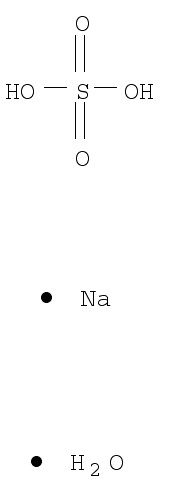
Sodium bisulfate monohydrate
Salts
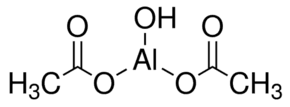
Aluminum acetate, basic
Salts
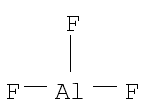
Aluminum fluoride
AlF3
Salts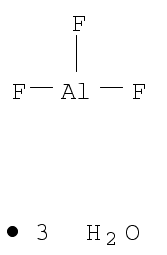
Aluminum fluoride trihydrate
AlF3·3H2O
Salts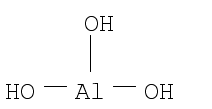
Aluminum hydroxide
Al(OH)3
Salts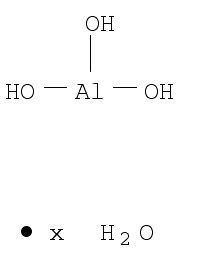
Aluminum hydroxide hydrate
Al(OH)3 · xH2O
Salts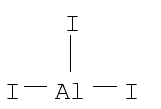
Aluminum iodide
AlI3
Salts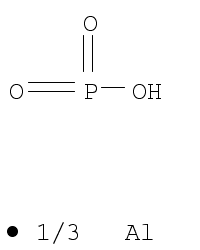
Aluminum metaphosphate
Al(PO3)3
Salts▶ Explore more

Bis(cyclopentadienyl)cobalt(III) hexafluorophosphate
C10H10CoF6P
Catalysis & Inorganic
1-(4-Chlorophenyl)biguanide hydrochloride
ClC6H4NHC(NH)NHC(NH)NH2 · HCl
Chemical Synthesis
Bis(cyclopentadienyl)dimethylzirconium(IV)
Catalysis & Inorganic

1-(4-Chlorophenyl)ethanol
ClC6H4CH(CH3)OH
Chemical Synthesis