
Cobalt(II) 2-ethylhexanoate solution
Cobalt(II) 2-ethylhexanoate solution (CAS: 136-52-7) is a solution containing the cobalt salt of 2-ethylhexanoic acid. With the linear formula [CH3(CH2)3CH(C2H5)CO2]2Co and a molecular weight of 345.34 g/mol, this liquid is primarily recognised for its role as a polymerization accelerator. Supplied as a 65 wt. % solution in mineral spirits, it is a valuable chemical intermediate in various industrial applications.
![Cobalt(II) 2-ethylhexanoate solution ([CH3(CH2)3CH(C2H5)CO2]2Co) — chemical structure, CAS 136-52-7; Materials Science, fine chemical supplied by Tech Serve Solutions](/_next/image?url=https%3A%2F%2Fpub-f4d920c906024441a773a96f7098e551.r2.dev%2Fimages%2Fproducts%2F136-52-7.png&w=3840&q=75)
Polymerization Accelerator
Cobalt(II) 2-ethylhexanoate solution acts as a highly effective accelerator in polymerization processes. It promotes faster curing times and enhances the properties of the resulting polymers, finding use in coatings and resins.
Drier in Paints and Varnishes
This compound functions as a siccative, or drier, in oil-based paints, varnishes, and inks. It catalyses the oxidative drying process, improving the surface hardness and durability of coatings.
Catalyst in Organic Synthesis
Utilised as a catalyst in certain organic synthesis reactions, Cobalt(II) 2-ethylhexanoate solution can facilitate specific chemical transformations. Its catalytic activity is beneficial in select chemical manufacturing pathways.
| Molecular weight | 345.34 |
|---|---|
| Linear formula | [CH3(CH2)3CH(C2H5)CO2]2Co |
| Form | liquid |
| Density | 1.002 g/mL at 25 °C |
| Concentration | 65 wt. % in mineral spirits |
| Application | Polymerization accelerator |


Hazard statements
- H226Flammable liquid and vapour
- H304May be fatal if swallowed and enters airways
- H317May cause an allergic skin reaction
- H319Causes serious eye irritation
- H361Suspected of damaging fertility or the unborn child
- H410Very toxic to aquatic life with long-lasting effects
Precautionary statements
- P273Avoid release to the environment
- P280Wear protective gloves, clothing and eye/face protection
- P301IF SWALLOWED
- P305IF IN EYES
- P331Do NOT induce vomiting
- P501Dispose of contents and container per local regulations
| Protective equipment | Eyeshields, Faceshields, full-face respirator (US), Gloves, multi-purpose combination respirator cartridge (US), type ABEK (EN14387) respirator filter |
|---|---|
| Flash point | 40 °C / 104 °F |
| Transport (UN / ADR) | UN 1268C 3 / PGIII |
| Water hazard class (WGK, DE) | 3 |
| Hazard codes (EU) | Xn,N |
| Risk statements (R) | 10-43-50/53-62-65-66 |
| Safety statements (S) | 36/37-61-62 |
| Supplemental hazards | Repeated exposure may cause skin dryness or cracking. |
Hazard information is provided for guidance. Always consult the product Safety Data Sheet (SDS), available on request, before handling.
Documentation
Every batch ships with a Certificate of Analysis covering assay, identity and purity; the grade is confirmed against your enquiry. Safety Data Sheets and technical data sheets are available on request.
Supply & logistics
Samples for technical evaluation; bulk MOQ by grade and packaging. In-stock material ships in 7–10 working days, worldwide, with full export documentation.
What is Cobalt(II) 2-ethylhexanoate solution used for?
+
Cobalt(II) 2-ethylhexanoate solution (CAS: 136-52-7) is primarily used as a polymerization accelerator and as a drier in paints, varnishes, and inks. It can also serve as a catalyst in specific organic synthesis applications.
What are the CAS number and formula for Cobalt(II) 2-ethylhexanoate solution?
+
The CAS number for Cobalt(II) 2-ethylhexanoate solution is 136-52-7. Its linear formula is [CH3(CH2)3CH(C2H5)CO2]2Co.
What grade and purity does Tech Serve Solutions supply?
+
Tech Serve Solutions supplies Cobalt(II) 2-ethylhexanoate solution typically as a 65 wt. % solution in mineral spirits. TSS does not represent this product as USP, BP, EP, or other pharmacopoeial grades.
How should Cobalt(II) 2-ethylhexanoate solution be handled safely?
+
Cobalt(II) 2-ethylhexanoate solution is a flammable liquid and vapour (H226). It can cause skin irritation (H317) and serious eye irritation (H319). It may cause respiratory irritation and is suspected of damaging fertility or the unborn child (H361). It is also very toxic to aquatic life with long-lasting effects (H410). Always use appropriate personal protective equipment, including eyeshields, gloves, and a suitable respirator, and handle in a well-ventilated area. Consult the Safety Data Sheet for comprehensive handling information.
Is Cobalt(II) 2-ethylhexanoate solution a controlled substance?
+
The provided data does not indicate that Cobalt(II) 2-ethylhexanoate solution is a controlled substance.
How is Cobalt(II) 2-ethylhexanoate solution packed and shipped?
+
Cobalt(II) 2-ethylhexanoate solution is shipped according to UN 1268 C3 / PGIII regulations. Specific packaging details for export can be provided upon request.
How can I request a quote or sample?
+
To request a quote or a sample of Cobalt(II) 2-ethylhexanoate solution, please contact our sales team through the website or by phone, providing your specific requirements.
▶ Related products
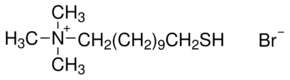
(11-Mercaptoundecyl)-N,N,N-trimethylammonium bromide
Micro / NanoElectronics

(11-Mercaptoundecyl)hexa(ethylene glycol)
C23H48O7S
Micro / NanoElectronics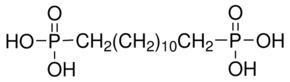
(12-Phosphonododecyl)phosphonic acid
C12H28O6P2
Micro / NanoElectronics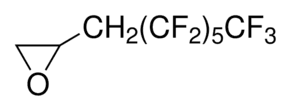
(2,2,3,3,4,4,5,5,6,6,7,7,7-Tridecafluoroheptyl)oxirane
C9H5F13O
Micro / NanoElectronics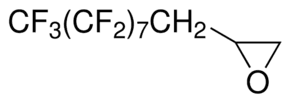
(2,2,3,3,4,4,5,5,6,6,7,7,8,8,9,9,9-Heptadecafluorononyl)oxirane
C11H5F17O
Micro / NanoElectronics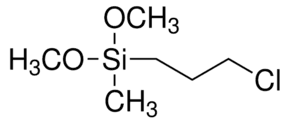
(3-Chloropropyl)dimethoxymethylsilane
Cl(CH2)3Si(OCH3)2CH3
Micro / NanoElectronics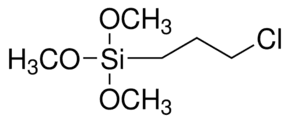
(3-Chloropropyl)trimethoxysilane
Cl(CH2)3Si(OCH3)3
Micro / NanoElectronics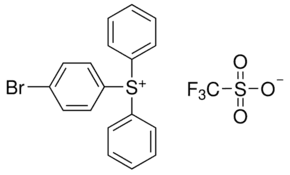
(4-Bromophenyl)diphenylsulfonium triflate
C19H14BrF3O3S2
Micro / NanoElectronics▶ Explore more

Bis(cyclopentadienyl)cobalt(III) hexafluorophosphate
C10H10CoF6P
Catalysis & Inorganic
1-(4-Chlorophenyl)biguanide hydrochloride
ClC6H4NHC(NH)NHC(NH)NH2 · HCl
Chemical Synthesis
Bis(cyclopentadienyl)dimethylzirconium(IV)
Catalysis & Inorganic

1-(4-Chlorophenyl)ethanol
ClC6H4CH(CH3)OH
Chemical Synthesis