
Chrysamine G
Chrysamine G (CAS: 6472-91-9), a disodium salt with the formula C26H16N4Na2O6 and a molecular weight of 526.41, is a notable compound within the realm of bioactive small molecules. Its properties make it relevant in specific biological research contexts, particularly in cell biology studies. Tech Serve Solutions supplies this chemical for laboratory research and development purposes.
- IUPAC
- 4,4′-Bis(3-carboxy-4-hydroxyphenylazo)biphenyl disodium salt

Cell Biology Research
Chrysamine G serves as a valuable tool in cell biology, enabling researchers to investigate cellular processes and mechanisms. Its specific biological activity can be leveraged in experimental setups to probe cellular functions.
Biochemical Assays
The compound can be utilised in various biochemical assays, contributing to the understanding of molecular interactions within biological systems. Its defined purity aids in obtaining reproducible experimental results.
Dye and Staining Applications
Chrysamine G may find applications as a dye or staining agent in specific histological or cytological preparations. Its chromophoric properties can be exploited for visualisation purposes in microscopy.
| Molecular weight | 526.41 |
|---|---|
| Empirical formula | C26H16N4Na2O6 |
| Assay | ≥95% (HPLC) |
| Solubility | DMSO: ~4 mg/mL |
| Storage temperature | −20°C |
| Protective equipment | Eyeshields, Gloves, type N95 (US), type P1 (EN143) respirator filter |
|---|---|
| Water hazard class (WGK, DE) | 3 |
Hazard information is provided for guidance. Always consult the product Safety Data Sheet (SDS), available on request, before handling.
Documentation
Every batch ships with a Certificate of Analysis covering assay, identity and purity; the grade is confirmed against your enquiry. Safety Data Sheets and technical data sheets are available on request.
Supply & logistics
Samples for technical evaluation; bulk MOQ by grade and packaging. In-stock material ships in 7–10 working days, worldwide, with full export documentation.
What is Chrysamine G primarily used for?
+
Chrysamine G is primarily used in laboratory research, particularly in cell biology and biochemical assays, as a bioactive small molecule.
What is the CAS number and formula for Chrysamine G?
+
The CAS number for Chrysamine G is 6472-91-9, and its empirical formula (Hill notation) is C26H16N4Na2O6.
What grade and purity does Tech Serve Solutions supply?
+
Tech Serve Solutions supplies Chrysamine G with a minimum assay of ≥95% (HPLC). This product is intended for research purposes and is not represented as USP, BP, EP, or pharmacopoeia grade.
How should Chrysamine G be handled safely?
+
Handling Chrysamine G requires appropriate personal protective equipment, including eyeshields and gloves. A type N95 (US) or type P1 (EN143) respirator filter should be used. It has a WGK rating of 3, indicating a high hazard to water.
How is Chrysamine G packed, shipped, and exported?
+
Chrysamine G is packed according to industry best practices for chemical stability and safety. Tech Serve Solutions is experienced in exporting chemicals globally, ensuring compliance with international shipping regulations.
How can I request a sample or quote for Chrysamine G?
+
To request a sample or quote for Chrysamine G, please contact our sales team through the website or by phone, providing your required quantity and delivery details.
▶ Related products
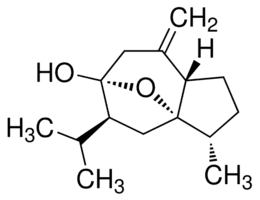
(−)-Curcumol
C15H24O2
Cell Biology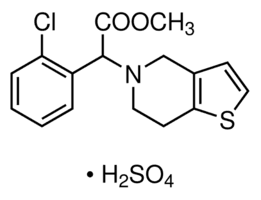
(±) Clopidogrel hydrogensulfate
Cell Biology
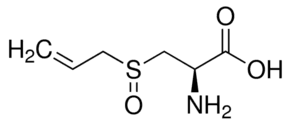
(±)-L-Alliin
C6H11NO3S
Cell Biology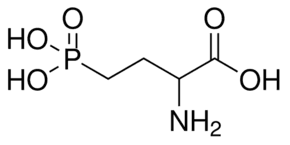
(±)-2-Amino-4-phosphonobutyric acid
C4H10NO5P
Cell Biology
(±)-2-Methylarachidonoyl-2′-fluoroethylamide
C23H38NOF
Cell Biology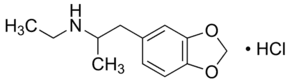
(±)-3,4-Methylenedioxy-N-ethylamphetamine hydrochloride
Cell Biology
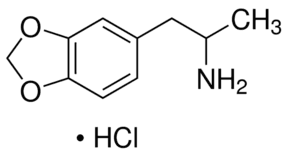
(±)-3,4-Methylenedioxyamphetamine hydrochloride
Cell Biology
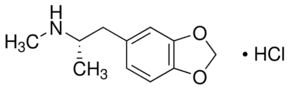
(±)-3,4-Methylenedioxymethamphetamine hydrochloride
Cell Biology
▶ Explore more

Bis(cyclopentadienyl)cobalt(III) hexafluorophosphate
C10H10CoF6P
Catalysis & Inorganic
1-(4-Chlorophenyl)biguanide hydrochloride
ClC6H4NHC(NH)NHC(NH)NH2 · HCl
Chemical Synthesis
Bis(cyclopentadienyl)dimethylzirconium(IV)
Catalysis & Inorganic

1-(4-Chlorophenyl)ethanol
ClC6H4CH(CH3)OH
Chemical Synthesis