
Chromium silicide
Chromium silicide (CAS 12018-09-6), with the molecular formula CrSi₂ and a molar mass of 108.17 g/mol, is a metallic solid. It is primarily recognised for its applications in materials science, particularly in the development of advanced ceramics and refractory materials due to its unique physical and chemical properties. This compound serves as a valuable component in specialised industrial and research settings.

Advanced Ceramics
Chromium silicide is used in the synthesis of specialised ceramics, contributing to materials with enhanced thermal and mechanical properties for demanding applications.
Materials Science Research
It serves as a research material in materials science for exploring novel alloys and composites, investigating properties like high-temperature stability and corrosion resistance.
Metallurgical Applications
This silicide can be incorporated into metallurgical processes for the development of specialised alloys and coatings requiring specific characteristics imparted by chromium and silicon.
| Molecular weight | 108.17 |
|---|---|
| Linear formula | CrSi2 |
| Assay | ≥99% trace metals basis |
| Particle size | −230 mesh |

Hazard statements
- H302Harmful if swallowed
- H312Harmful in contact with skin
- H317May cause an allergic skin reaction
- H332Harmful if inhaled
Precautionary statements
- P280Wear protective gloves, clothing and eye/face protection
| Protective equipment | dust mask type N95 (US), Eyeshields, Faceshields, Gloves |
|---|---|
| Water hazard class (WGK, DE) | 3 |
| Hazard codes (EU) | Xn |
| Risk statements (R) | 20/21/22-42/43 |
| Safety statements (S) | 7-36 |
Hazard information is provided for guidance. Always consult the product Safety Data Sheet (SDS), available on request, before handling.
Documentation
Every batch ships with a Certificate of Analysis covering assay, identity and purity; the grade is confirmed against your enquiry. Safety Data Sheets and technical data sheets are available on request.
Supply & logistics
Samples for technical evaluation; bulk MOQ by grade and packaging. In-stock material ships in 7–10 working days, worldwide, with full export documentation.
What is Chromium silicide used for?
+
Chromium silicide is used in advanced ceramics and materials science research, including the development of specialised alloys and coatings.
What are the CAS number and formula for Chromium silicide?
+
The CAS number for Chromium silicide is 12018-09-6, and its linear formula is CrSi₂.
What grade and purity does Tech Serve Solutions supply?
+
Tech Serve Solutions supplies Chromium silicide at a purity of ≥99% on a trace metals basis. This is a technical/research grade material, and TSS does not represent it as USP, BP, EP, or pharmacopoeia grade.
How should Chromium silicide be handled safely?
+
Chromium silicide is classified as harmful if swallowed, in contact with skin, or if inhaled, and may cause an allergic skin reaction. Safe handling requires wearing a dust mask type N95 (US), eyeshields, faceshields, and gloves. Ensure adequate ventilation and avoid dust formation.
How is Chromium silicide shipped?
+
Chromium silicide is available for global export. Specific packaging details for shipping are available upon request and depend on order quantity and destination.
How can I request a sample or quote for Chromium silicide?
+
To request a sample or a quote for Chromium silicide, please contact our sales team through the website or by direct inquiry, providing your specific requirements.
▶ Related products
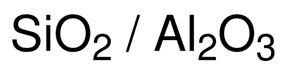
Aluminosilicate, mesostructured
Metal & Ceramic Science
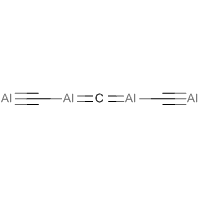
Aluminum carbide
Al4C3
Metal & Ceramic Science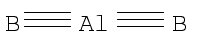
Aluminum diboride
AlB2
Metal & Ceramic Science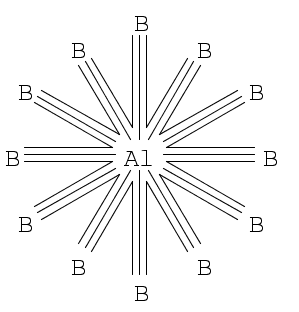
Aluminum dodecaboride
AlB12
Metal & Ceramic Science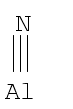
Aluminum nitride
AlN
Metal & Ceramic Science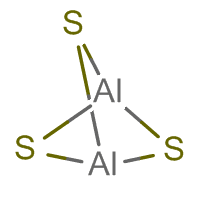
Aluminum sulfide
Al2S3
Metal & Ceramic Science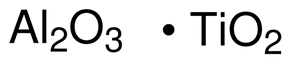
Aluminum titanate
Al2O3·TiO2
Metal & Ceramic Science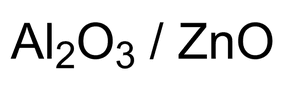
Aluminum zinc oxide
Al2O3/ZnO
Metal & Ceramic Science▶ Explore more

Bis(cyclopentadienyl)cobalt(III) hexafluorophosphate
C10H10CoF6P
Catalysis & Inorganic
1-(4-Chlorophenyl)biguanide hydrochloride
ClC6H4NHC(NH)NHC(NH)NH2 · HCl
Chemical Synthesis
Bis(cyclopentadienyl)dimethylzirconium(IV)
Catalysis & Inorganic

1-(4-Chlorophenyl)ethanol
ClC6H4CH(CH3)OH
Chemical Synthesis