
Chloroethylclonidine dihydrochloride
Chloroethylclonidine dihydrochloride (CAS 70107-07-2), with the molecular formula C13H17Cl3N4 · 2HCl and a molecular weight of 408.58 g/mol, is an off-white solid. This compound is recognised for its role in research, particularly within the fields of neuroscience and cell biology, serving as a valuable tool for studying adrenergic pathways and neurotransmission. Its defined chemical properties make it suitable for specific laboratory applications.
- IUPAC
- 2-[2,6-Dichloro(N-β-chloroethyl-N-methyl)-4-aminomethyl]phenylimino-2-imidazolidine dihydrochloride,CEC dihydrochloride
- Synonyms
- 2-[2,6-Dichloro(N-β-chloroethyl-N-methyl)-4-aminomethyl]phenylimino-2-imidazolidine dihydrochlorideCEC dihydrochloride

Neuroscience Research
Chloroethylclonidine dihydrochloride is utilised in neuroscience research to investigate adrenergic receptors and neurotransmitter systems. Its chemical structure allows for targeted studies into neuronal signalling pathways.
Cell Biology Studies
This compound serves as a bioactive small molecule in cell biology. It can be employed to probe cellular responses and signaling cascades, particularly those involving adrenergic mechanisms.
Pharmacological Research Tool
As an adrenergic antagonist, Chloroethylclonidine dihydrochloride is a useful reagent for in vitro pharmacological studies. It aids in understanding drug-receptor interactions and developing new therapeutic strategies.
| Molecular weight | 408.58 |
|---|---|
| Empirical formula | C13H17Cl3N4 · 2HCl |
| Form | solid |
| Colour | off-white |
| Solubility | 0.1 M NaOH: soluble1 mg/mL (Stable for 24 hours at 4 °C.)H2O: soluble12 mg/mL (Stable for 24 hours at 4 °C.)methanol: soluble17 mg/mL (Stable for 24 hours at 4 °C.)aqueous base: unstable |

Hazard statements
- H315Causes skin irritation
- H319Causes serious eye irritation
- H335May cause respiratory irritation
Precautionary statements
- P261Avoid breathing dust, fume, gas or vapours
- P305IF IN EYES
| Protective equipment | dust mask type N95 (US), Eyeshields, Gloves |
|---|---|
| Water hazard class (WGK, DE) | 3 |
| Hazard codes (EU) | Xi |
| Risk statements (R) | 36/37/38 |
| Safety statements (S) | 22-26-36 |
Hazard information is provided for guidance. Always consult the product Safety Data Sheet (SDS), available on request, before handling.
| Gene Information | human ... ADRA1B(147) |
|---|
Documentation
Every batch ships with a Certificate of Analysis covering assay, identity and purity; the grade is confirmed against your enquiry. Safety Data Sheets and technical data sheets are available on request.
Supply & logistics
Samples for technical evaluation; bulk MOQ by grade and packaging. In-stock material ships in 7–10 working days, worldwide, with full export documentation.
What is Chloroethylclonidine dihydrochloride used for?
+
Chloroethylclonidine dihydrochloride is primarily used in research settings, particularly in neuroscience and cell biology, to study adrenergic pathways and neurotransmission.
What are the CAS number and formula for Chloroethylclonidine dihydrochloride?
+
The CAS number is 70107-07-2 and the molecular formula is C13H17Cl3N4 · 2HCl.
What grade and purity does Tech Serve Solutions supply?
+
Tech Serve Solutions supplies Chloroethylclonidine dihydrochloride as a technical/research grade chemical. We do not represent it as USP, BP, or EP grade.
How should Chloroethylclonidine dihydrochloride be handled safely?
+
Handle with care, wearing a dust mask (type N95 US), eyeshields, and gloves. Avoid breathing dust and ensure adequate ventilation. In case of contact with eyes, rinse cautiously with water for several minutes. If inhaled, move to fresh air. Refer to the Safety Data Sheet for detailed handling instructions.
Is Chloroethylclonidine dihydrochloride a controlled substance?
+
The provided data does not indicate that Chloroethylclonidine dihydrochloride is a controlled substance.
How is Chloroethylclonidine dihydrochloride packed and shipped?
+
This product is typically supplied as a solid and is exported in compliance with international shipping regulations for chemicals.
How can I request a sample or quote for Chloroethylclonidine dihydrochloride?
+
To request a sample or a quotation, please contact our sales team through the channels provided on the Tech Serve Solutions website.
▶ Related products
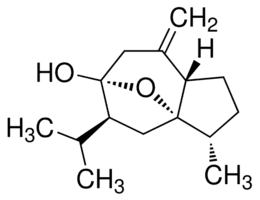
(−)-Curcumol
C15H24O2
Cell Biology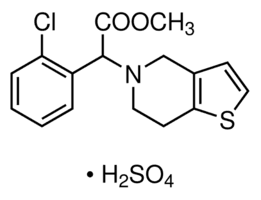
(±) Clopidogrel hydrogensulfate
Cell Biology
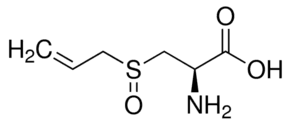
(±)-L-Alliin
C6H11NO3S
Cell Biology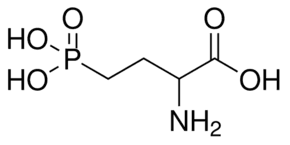
(±)-2-Amino-4-phosphonobutyric acid
C4H10NO5P
Cell Biology
(±)-2-Methylarachidonoyl-2′-fluoroethylamide
C23H38NOF
Cell Biology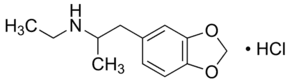
(±)-3,4-Methylenedioxy-N-ethylamphetamine hydrochloride
Cell Biology
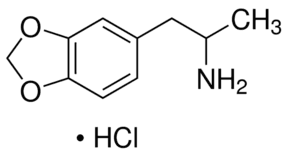
(±)-3,4-Methylenedioxyamphetamine hydrochloride
Cell Biology
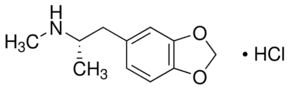
(±)-3,4-Methylenedioxymethamphetamine hydrochloride
Cell Biology
▶ Explore more

Bis(cyclopentadienyl)cobalt(III) hexafluorophosphate
C10H10CoF6P
Catalysis & Inorganic
1-(4-Chlorophenyl)biguanide hydrochloride
ClC6H4NHC(NH)NHC(NH)NH2 · HCl
Chemical Synthesis
Bis(cyclopentadienyl)dimethylzirconium(IV)
Catalysis & Inorganic

1-(4-Chlorophenyl)ethanol
ClC6H4CH(CH3)OH
Chemical Synthesis