
Chloroacetyl chloride
Chloroacetyl chloride (CAS 79-04-9), with the linear formula ClCH 2 COCl, is a reactive organic compound with a molar mass of 112.94 g/mol. It functions as a key building block in organic synthesis, particularly within the pharmaceutical and chemical industries. Its acyl chloride functionality makes it a valuable intermediate for introducing the chloroacetyl group into various molecules, enabling the creation of more complex chemical structures. It is typically supplied at a purity of ≥99.0%.

Synthesis of N-Hydrazino Acetyl-Sulphonamides
Chloroacetyl chloride is utilised in the preparation of N-hydrazino acetyl-sulphonamides, as documented in chemical literature. This application highlights its role as a crucial intermediate in the synthesis of complex organic molecules with potential pharmaceutical relevance.
General Organic Synthesis
As a versatile acyl halide, chloroacetyl chloride serves as a fundamental building block in a wide array of organic syntheses. It facilitates the introduction of the chloroacetyl moiety, a reactive functional group used in the construction of diverse chemical entities.
Pharmaceutical Intermediate
The compound is employed in the multi-step synthesis of active pharmaceutical ingredients (APIs). Its reactivity allows for efficient derivatisation and functionalisation, contributing to the development of novel therapeutic agents.
| Molecular weight | 112.94 |
|---|---|
| Linear formula | ClCH2COCl |
| Assay | ≥99.0% (GC) |
| Boiling point | 105-106 °C(lit.) |
| Density | 1.419 g/mL at 20 °C1.418 g/mL at 25 °C(lit.) |
| Refractive index | n20/D 1.453(lit.)n20/D 1.453 |
| Solubility | water: insoluble |
| Melting point | −22 °C(lit.) |
| Vapour pressure | 60 mmHg (41.5 °C) |
| Vapour density | 3.9 (vs air) |
| Application | Chloroacetyl chloride was used in the synthesis of N-hydrazino acetyl-sulphonamides1. |


Hazard statements
- H301Toxic if swallowed
- H311Toxic in contact with skin
- H314Causes severe skin burns and eye damage
- H331Toxic if inhaled
- H372Causes damage to organs through prolonged exposure
- H400Very toxic to aquatic life
Precautionary statements
- P261Avoid breathing dust, fume, gas or vapours
- P273Avoid release to the environment
- P280Wear protective gloves, clothing and eye/face protection
- P301IF SWALLOWED
- P305IF IN EYES
- P310Immediately call a POISON CENTER or doctor
| Protective equipment | Faceshields, full-face respirator (US), Gloves, Goggles, multi-purpose combination respirator cartridge (US), type ABEK (EN14387) respirator filter |
|---|---|
| Flash point | 100 °C / 212 °F |
| Transport (UN / ADR) | UN 1752 8(6.1) / PGI |
| Water hazard class (WGK, DE) | 3 |
| Hazard codes (EU) | T,C,N |
| Risk statements (R) | 14-23/24/25-29-35-48/23-50 |
| Safety statements (S) | 7/8-9-26-36/37/39-45-61 |
| Supplemental hazards | Contact with water liberates toxic gas., Reacts violently with water. |
Hazard information is provided for guidance. Always consult the product Safety Data Sheet (SDS), available on request, before handling.
Documentation
Every batch ships with a Certificate of Analysis covering assay, identity and purity; the grade is confirmed against your enquiry. Safety Data Sheets and technical data sheets are available on request.
Supply & logistics
Samples for technical evaluation; bulk MOQ by grade and packaging. In-stock material ships in 7–10 working days, worldwide, with full export documentation.
What is Chloroacetyl chloride used for?
+
Chloroacetyl chloride (CAS 79-04-9) is primarily used as a building block in organic synthesis, including the preparation of N-hydrazino acetyl-sulphonamides and other complex organic molecules, often serving as an intermediate in pharmaceutical synthesis.
What are the CAS number and formula for Chloroacetyl chloride?
+
The CAS number for Chloroacetyl chloride is 79-04-9, and its linear formula is ClCH 2 COCl.
What grade and purity does Tech Serve Solutions supply?
+
Tech Serve Solutions supplies Chloroacetyl chloride with an assay of ≥99.0% (GC). This product is supplied for research and laboratory use and is not represented as USP, BP, EP, or any other pharmacopoeia grade.
What are the main hazards associated with Chloroacetyl chloride?
+
Chloroacetyl chloride is a dangerous substance indicated by GHS symbols GHS05, GHS06, GHS08, and GHS09, with the signal word 'Danger'. It is toxic if swallowed, in contact with skin, and if inhaled (H301-H311-H331), causes severe skin burns and eye damage (H314), can cause damage to organs (H372), and is very toxic to aquatic life (H400). It reacts violently with water, liberating toxic gas. Strict adherence to safety protocols and appropriate personal protective equipment is essential.
How is Chloroacetyl chloride shipped and exported?
+
Chloroacetyl chloride is classified under UN 1752, with hazard class 8(6.1) and packing group I. Tech Serve Solutions, as an experienced global supplier, ensures compliant packaging and export documentation for this hazardous material.
How can I request a quote or sample for Chloroacetyl chloride?
+
To request a quote or a sample of Chloroacetyl chloride, please visit the Tech Serve Solutions website or contact our sales team directly. Our representatives will assist you with your specific requirements.
▶ Related products
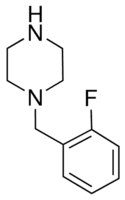
1-(2-Fluorobenzyl)piperazine
C11H15FN2
Chemical Synthesis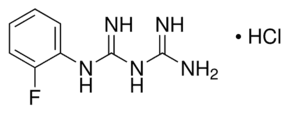
1-(2-Fluorophenyl)biguanide hydrochloride
Chemical Synthesis
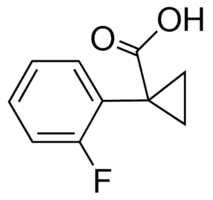
1-(2-Fluorophenyl)cyclopropanecarboxylic acid
C10H9FO2
Chemical Synthesis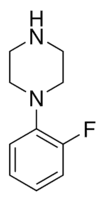
1-(2-Fluorophenyl)piperazine
C10H13FN2
Chemical Synthesis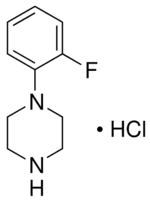
1-(2-Fluorophenyl)piperazine monohydrochloride
C10H13FN2 · HCl
Chemical Synthesis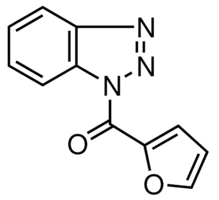
1-(2-Furoyl)-1H-benzotriazole
C11H7N3O2
Chemical Synthesis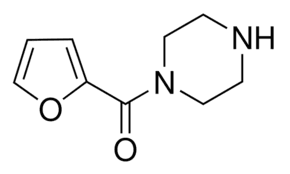
1-(2-Furoyl)piperazine
C9H12N2O2
Chemical Synthesis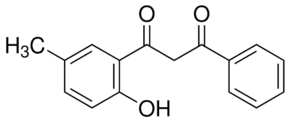
1-(2-Hydroxy-5-methylphenyl)-3-phenyl-1,3-propanedione
Chemical Synthesis
▶ Explore more

Bis(cyclopentadienyl)cobalt(III) hexafluorophosphate
C10H10CoF6P
Catalysis & Inorganic
1-(4-Chlorophenyl)biguanide hydrochloride
ClC6H4NHC(NH)NHC(NH)NH2 · HCl
Chemical Synthesis
Bis(cyclopentadienyl)dimethylzirconium(IV)
Catalysis & Inorganic

1-(4-Chlorophenyl)ethanol
ClC6H4CH(CH3)OH
Chemical Synthesis