
Chlorine
Chlorine (CAS: 7782-50-5, Formula: Cl2, MW: 70.91) is a highly reactive diatomic molecule supplied by TSS at ≥99.5% purity. It is a potent oxidising agent and a strong irritant gas. Chlorine finds critical use as a reagent in chemical synthesis, as a component in specialty gases, and as a synthetic reagent in various industrial and laboratory applications.
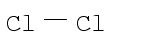
Chemical Synthesis
Chlorine serves as a fundamental reagent in the synthesis of a vast array of organic and inorganic compounds. Its strong oxidising properties are leveraged for chlorination reactions, producing intermediates for pharmaceuticals, polymers, and agrochemicals.
Specialty Gases
As a key component of specialty gas mixtures, Chlorine is utilised in precise analytical and industrial processes. Its controlled use allows for specific reactions and calibrations in research and manufacturing environments.
Synthetic Reagent
In laboratory settings, Chlorine is employed as a versatile synthetic reagent for various chemical transformations. It is indispensable for research and development activities requiring controlled chlorination or oxidation.
| Molecular weight | 70.91 |
|---|---|
| Empirical formula | Cl2 |
| Assay | ≥99.5% |
| Boiling point | −34 °C(lit.) |
| Vapour pressure | 4800 mmHg (20 °C) |
| Vapour density | 2.48 (vs air) |
| Melting point | −101 °C(lit.) |


Hazard statements
- H270May cause or intensify fire; oxidiser
- H280Contains gas under pressure; may explode if heated
- H315Causes skin irritation
- H319Causes serious eye irritation
- H331Toxic if inhaled
- H335May cause respiratory irritation
- H400Very toxic to aquatic life
Precautionary statements
- P220Keep away from clothing and combustible materials
- P261Avoid breathing dust, fume, gas or vapours
- P273Avoid release to the environment
- P305IF IN EYES
- P311Call a POISON CENTER or doctor
- P410Protect from sunlight
| Protective equipment | Eyeshields, Faceshields, full-face respirator (US), Gloves, multi-purpose combination respirator cartridge (US) |
|---|---|
| Transport (UN / ADR) | UN 1017 8(2.3) |
| Water hazard class (WGK, DE) | 3 |
| Hazard codes (EU) | T,N |
| Risk statements (R) | 23-36/37/38-50 |
| Safety statements (S) | 9-45-61 |
Hazard information is provided for guidance. Always consult the product Safety Data Sheet (SDS), available on request, before handling.
| Resistivity | 1E9 μΩ-cm, 20°C |
|---|
Documentation
Every batch ships with a Certificate of Analysis covering assay, identity and purity; the grade is confirmed against your enquiry. Safety Data Sheets and technical data sheets are available on request.
Supply & logistics
Samples for technical evaluation; bulk MOQ by grade and packaging. In-stock material ships in 7–10 working days, worldwide, with full export documentation.
What is Chlorine (CAS: 7782-50-5) used for?
+
Chlorine (CAS: 7782-50-5) is primarily used as a reagent in chemical synthesis, as a component in specialty gases, and as a synthetic reagent for various industrial and laboratory applications.
What is the CAS number and formula for Chlorine?
+
The CAS number for Chlorine is 7782-50-5, and its chemical formula is Cl2.
What grade and purity does Tech Serve Solutions supply?
+
Tech Serve Solutions supplies Chlorine with a purity of ≥99.5%. This is a technical grade and is not represented as USP, BP, or EP.
How is Chlorine handled and what are the primary safety concerns?
+
Chlorine is a highly toxic, corrosive gas that is an oxidiser and an oxidising gas. It is classified with GHS symbols GHS03, GHS04, GHS06, and GHS09, with the signal word 'Danger'. Hazards include H270 (May cause or intensify fire; oxidiser), H280 (Contains gas under pressure; may explode if heated), H315 (Causes skin irritation), H319 (Causes serious eye irritation), H331 (Toxic if inhaled), H335 (May cause respiratory irritation), and H400 (Very toxic to aquatic life). Strict adherence to safety protocols and appropriate personal protective equipment (PPE) is essential.
How is Chlorine packed and exported by TSS?
+
Chlorine is supplied as a gas under pressure in approved cylinders, suitable for export and safe handling. Specific packaging details can be provided upon request.
How can I request a quote or sample for Chlorine?
+
To request a quote or a sample of Chlorine, please contact the TSS sales team via our website or direct inquiry channels.
▶ Related products
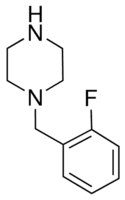
1-(2-Fluorobenzyl)piperazine
C11H15FN2
Chemical Synthesis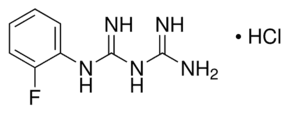
1-(2-Fluorophenyl)biguanide hydrochloride
Chemical Synthesis
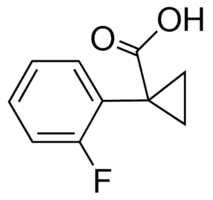
1-(2-Fluorophenyl)cyclopropanecarboxylic acid
C10H9FO2
Chemical Synthesis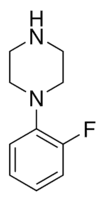
1-(2-Fluorophenyl)piperazine
C10H13FN2
Chemical Synthesis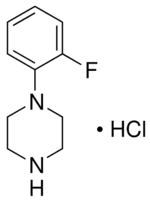
1-(2-Fluorophenyl)piperazine monohydrochloride
C10H13FN2 · HCl
Chemical Synthesis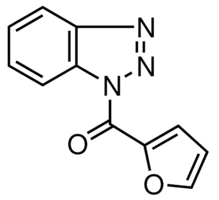
1-(2-Furoyl)-1H-benzotriazole
C11H7N3O2
Chemical Synthesis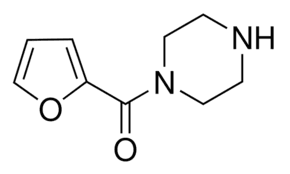
1-(2-Furoyl)piperazine
C9H12N2O2
Chemical Synthesis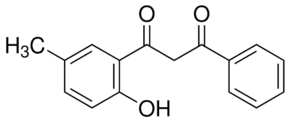
1-(2-Hydroxy-5-methylphenyl)-3-phenyl-1,3-propanedione
Chemical Synthesis
▶ Explore more

Bis(cyclopentadienyl)cobalt(III) hexafluorophosphate
C10H10CoF6P
Catalysis & Inorganic
1-(4-Chlorophenyl)biguanide hydrochloride
ClC6H4NHC(NH)NHC(NH)NH2 · HCl
Chemical Synthesis
Bis(cyclopentadienyl)dimethylzirconium(IV)
Catalysis & Inorganic

1-(4-Chlorophenyl)ethanol
ClC6H4CH(CH3)OH
Chemical Synthesis