Cesium chloride
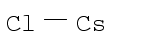
Cesium chloride (CsCl), CAS 7647-17-8, is a white crystalline solid with a molecular weight of 168.36 g/mol. This inorganic salt is vital in specialized applications, including the creation of electrically conductive glasses and the preparation of solutions for separating RNA from DNA via density gradient centrifugation. It serves as a fundamental reagent in chemical synthesis and materials science research.
Conductive Glass Preparation
Cesium chloride is utilized in the formulation of electrically conductive glass. This application leverages its properties to impart specific electrical characteristics to glass materials.
Biochemical Separations
It is employed in the preparation of density gradients for the separation of RNA from DNA. This method is crucial in molecular biology research for isolating nucleic acids.
Chemical Synthesis Reagent
As a versatile inorganic salt, Cesium chloride functions as a reagent in various chemical synthesis pathways, contributing to the development of new compounds and materials.
| Molecular weight | 168.36 |
|---|---|
| Linear formula | CsCl |
| Assay | 99.9% |
| Form | powder |
| Impurities tested | ≤0.001% Li≤0.01% Pb |
| Application | Used for the preparation of electrically conducting glasses.1,2 Used to make solutions for the separation of RNA from DNA by density gradient centrifugation.3 |
| Melting point | 645 °C(lit.) |
| Protective equipment | Eyeshields, Gloves, type N95 (US), type P1 (EN143) respirator filter |
|---|---|
| Water hazard class (WGK, DE) | 2 |
Hazard information is provided for guidance. Always consult the product Safety Data Sheet (SDS), available on request, before handling.
| Absorption | A50%/260 nm ≤0.1A50%/280 nm ≤0.02 |
|---|
Documentation
Every batch ships with a Certificate of Analysis covering assay, identity and purity; the grade is confirmed against your enquiry. Safety Data Sheets and technical data sheets are available on request.
Supply & logistics
Samples for technical evaluation; bulk MOQ by grade and packaging. In-stock material ships in 7–10 working days, worldwide, with full export documentation.
What is Cesium chloride used for?
+
Cesium chloride (CsCl) is used for preparing electrically conductive glasses and for making solutions used to separate RNA from DNA by density gradient centrifugation.
What is the CAS number and formula for Cesium chloride?
+
The CAS number for Cesium chloride is 7647-17-8, and its linear formula is CsCl.
What grade and purity does Tech Serve Solutions supply?
+
Tech Serve Solutions supplies Cesium chloride with a purity of 99.9%. This product is supplied as a technical or research grade chemical, and TSS does not represent it as USP, BP, or EP.
How should Cesium chloride be handled?
+
Handle Cesium chloride with appropriate personal protective equipment, including eyeshields and gloves. A type N95 (US) or P1 (EN143) respirator filter is recommended. It is classified under WGK 2 in Germany.
How is Cesium chloride packed and shipped?
+
Tech Serve Solutions exports Cesium chloride globally. Specific packaging details are available upon request, ensuring safe and compliant transit.
How can I request a quote or sample of Cesium chloride?
+
To request a quote or a sample of Cesium chloride, please contact our sales team through the website or by phone. We are happy to assist with your specific requirements.
▶ Related products
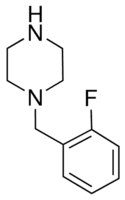
1-(2-Fluorobenzyl)piperazine
C11H15FN2
Chemical Synthesis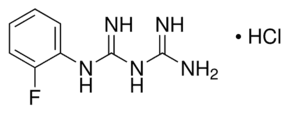
1-(2-Fluorophenyl)biguanide hydrochloride
Chemical Synthesis
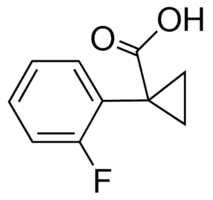
1-(2-Fluorophenyl)cyclopropanecarboxylic acid
C10H9FO2
Chemical Synthesis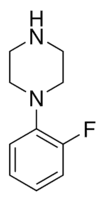
1-(2-Fluorophenyl)piperazine
C10H13FN2
Chemical Synthesis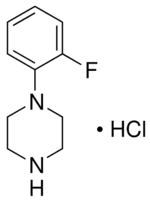
1-(2-Fluorophenyl)piperazine monohydrochloride
C10H13FN2 · HCl
Chemical Synthesis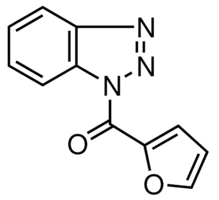
1-(2-Furoyl)-1H-benzotriazole
C11H7N3O2
Chemical Synthesis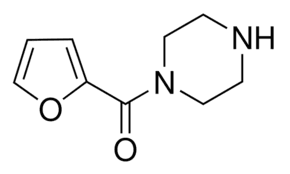
1-(2-Furoyl)piperazine
C9H12N2O2
Chemical Synthesis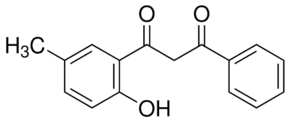
1-(2-Hydroxy-5-methylphenyl)-3-phenyl-1,3-propanedione
Chemical Synthesis