
Cesium
Cesium (CAS: 7440-46-2, Formula: Cs) is a highly reactive alkali metal with a low melting point of 28.5 °C. It is known for its extreme electropositivity and is the most electropositive of all stable elements. Cesium metal is primarily used as a catalyst in chemical synthesis, in atomic clocks due to its well-defined spectral lines, and in the production of specialized alloys and vacuum getter materials. Its high reactivity requires careful handling and storage.
Catalysis in Chemical Synthesis
Cesium acts as an effective catalyst and reagent in various organic synthesis reactions. Its high reactivity and electropositive nature facilitate specific chemical transformations, making it valuable in research and development for creating complex molecules.
Atomic Clocks
The unique hyperfine transition frequency of Cesium-133 is the international standard for defining the second. This property makes Cesium essential for the construction of highly accurate atomic clocks used in navigation, telecommunications, and scientific research.
Production of Specialty Alloys
Cesium is used in the creation of specific alloys where its properties, such as its low melting point and high reactivity, are beneficial. These alloys can find applications in specialized electronic or high-temperature environments.
Vacuum Technology
In vacuum systems, Cesium can function as a getter material, absorbing residual gases to maintain a high vacuum. This application is critical in the manufacturing of certain electronic devices and scientific instruments.
| Molecular weight | 132.91 |
|---|---|
| Empirical formula | Cs |
| Assay | ≥99.5% |
| Form | ingot |
| Boiling point | 705 °C(lit.) |
| Density | 1.873 g/mL at 25 °C(lit.) |
| Vapour pressure | 1 mmHg (279 °C) |
| Melting point | 28.5 °C(lit.) |


Hazard statements
- H260In contact with water releases flammable gases
- H314Causes severe skin burns and eye damage
Precautionary statements
- P223Do not allow contact with water
- P231Handle under inert gas
- P280Wear protective gloves, clothing and eye/face protection
- P305IF IN EYES
- P370In case of fire
- P422
| Protective equipment | Eyeshields, Faceshields, full-face particle respirator type N100 (US), Gloves, respirator cartridge type N100 (US), type P1 (EN143) respirator filter, type P3 (EN 143) respirator cartridges |
|---|---|
| Transport (UN / ADR) | UN 1407 4.3 / PGI |
| Water hazard class (WGK, DE) | 3 |
| Hazard codes (EU) | F,C |
| Risk statements (R) | 11-14/15-34 |
| Safety statements (S) | 8-16-26-36/37/39-43-45 |
| Supplemental hazards | Reacts violently with water. |
Hazard information is provided for guidance. Always consult the product Safety Data Sheet (SDS), available on request, before handling.
| Packaging | pkg of Packaged in: Breakseal Ampule |
|---|---|
| Resistivity | 19 μΩ-cm, 0°C |
Documentation
Every batch ships with a Certificate of Analysis covering assay, identity and purity; the grade is confirmed against your enquiry. Safety Data Sheets and technical data sheets are available on request.
Supply & logistics
Samples for technical evaluation; bulk MOQ by grade and packaging. In-stock material ships in 7–10 working days, worldwide, with full export documentation.
What is Cesium used for?
+
Cesium (CAS: 7440-46-2, Formula: Cs) is used as a catalyst in chemical synthesis, in the construction of atomic clocks, in the production of specialty alloys, and as a getter material in vacuum technology.
What is the CAS number and formula for Cesium?
+
The CAS number for Cesium is 7440-46-2, and its chemical formula is Cs.
What grade and purity does Tech Serve Solutions supply for Cesium?
+
Tech Serve Solutions supplies Cesium with a purity of ≥99.5%. This product is supplied for laboratory and industrial use and is not represented as USP, BP, EP, or pharmacopoeia grade.
How should Cesium be handled safely?
+
Cesium is a highly reactive metal that reacts violently with water, releasing flammable hydrogen gas. It is corrosive and can cause severe skin burns and eye damage. Handling requires extreme caution, including the use of appropriate personal protective equipment (gloves, eye protection, respirator) and working in an inert atmosphere or dry conditions. Refer to the Safety Data Sheet for detailed handling instructions.
How is Cesium packed and shipped?
+
Cesium is typically supplied as an ingot and packaged in a breakseal ampule under inert conditions to prevent reaction with air or moisture. It is shipped according to UN 1407 regulations for hazardous materials (Class 4.3).
How can I request a quote or sample for Cesium?
+
To request a quote or sample of Cesium, please contact our sales team through the website or provide your details via the 'enquire' button, specifying product name and CAS number.
▶ Related products
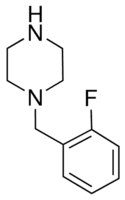
1-(2-Fluorobenzyl)piperazine
C11H15FN2
Chemical Synthesis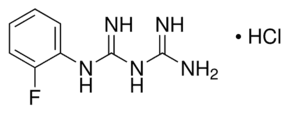
1-(2-Fluorophenyl)biguanide hydrochloride
Chemical Synthesis
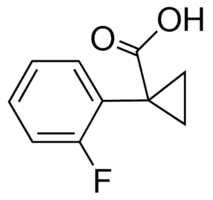
1-(2-Fluorophenyl)cyclopropanecarboxylic acid
C10H9FO2
Chemical Synthesis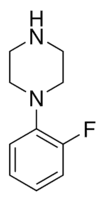
1-(2-Fluorophenyl)piperazine
C10H13FN2
Chemical Synthesis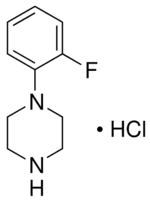
1-(2-Fluorophenyl)piperazine monohydrochloride
C10H13FN2 · HCl
Chemical Synthesis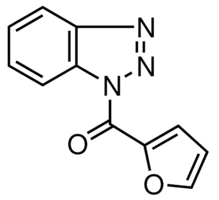
1-(2-Furoyl)-1H-benzotriazole
C11H7N3O2
Chemical Synthesis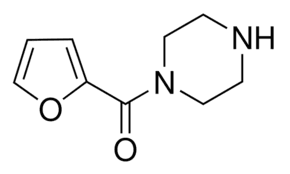
1-(2-Furoyl)piperazine
C9H12N2O2
Chemical Synthesis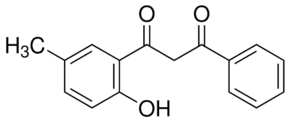
1-(2-Hydroxy-5-methylphenyl)-3-phenyl-1,3-propanedione
Chemical Synthesis
▶ Explore more

Bis(cyclopentadienyl)cobalt(III) hexafluorophosphate
C10H10CoF6P
Catalysis & Inorganic
1-(4-Chlorophenyl)biguanide hydrochloride
ClC6H4NHC(NH)NHC(NH)NH2 · HCl
Chemical Synthesis
Bis(cyclopentadienyl)dimethylzirconium(IV)
Catalysis & Inorganic

1-(4-Chlorophenyl)ethanol
ClC6H4CH(CH3)OH
Chemical Synthesis