
Cellulose triacetate
Cellulose triacetate (CAS: 9012-09-3) is a cellulose derivative formed by acetylating cellulose. It exists as a white powder. This versatile polymer finds applications in various analytical and material science fields. Its properties make it suitable for separation media and as a component in polymer formulations, contributing to its utility in scientific research and industrial processes.
- IUPAC
- Triacetylcellulose
- Synonyms
- Triacetylcellulose

Chromatographic Separation Media
Cellulose triacetate serves as a stationary phase in various chromatographic techniques, including LPLC and TLC. Its specific chemical properties allow for the effective separation of analytes based on differential interactions.
Polymer Science
As a polymer derived from cellulose, it is utilized in polymer research and development. It can be incorporated into formulations to modify material properties or as a base for developing new polymeric materials.
Materials Science Applications
The unique characteristics of cellulose triacetate lend themselves to various materials science applications. It can be employed in the development of films, fibers, or other advanced materials requiring specific physical or chemical attributes.
| Grade | purum |
|---|---|
| Solubility | chloroform: soluble0.1 g/10 mL, clear, colorless (leave for 5 h) |
| Protective equipment | Eyeshields, Gloves, type N95 (US), type P1 (EN143) respirator filter |
|---|---|
| Water hazard class (WGK, DE) | nwg |
Hazard information is provided for guidance. Always consult the product Safety Data Sheet (SDS), available on request, before handling.
Documentation
Every batch ships with a Certificate of Analysis covering assay, identity and purity; the grade is confirmed against your enquiry. Safety Data Sheets and technical data sheets are available on request.
Supply & logistics
Samples for technical evaluation; bulk MOQ by grade and packaging. In-stock material ships in 7–10 working days, worldwide, with full export documentation.
What is Cellulose triacetate used for?
+
Cellulose triacetate (CAS: 9012-09-3) is used as a chromatographic separation medium, particularly in LPLC and TLC, and in various polymer and materials science applications.
What is the CAS number and formula for Cellulose triacetate?
+
The CAS number for Cellulose triacetate is 9012-09-3. The chemical formula is not provided in the data, but it is a derivative of cellulose.
What grade and purity does Tech Serve Solutions supply?
+
Tech Serve Solutions supplies Cellulose triacetate in 'purum' grade. We do not represent it as USP, BP, EP, or any other pharmacopoeia grade.
How should Cellulose triacetate be handled safely?
+
When handling Cellulose triacetate, it is recommended to use eyeshields and gloves. A type N95 (US) or type P1 (EN143) respirator filter should be used if respiratory protection is needed. The material is not classified as hazardous according to German WGK.
How is Cellulose triacetate packed and shipped?
+
Cellulose triacetate is packed and shipped according to standard chemical handling procedures. Tech Serve Solutions, a global supplier since 1998, exports fine chemicals worldwide.
How can I request a sample or quote for Cellulose triacetate?
+
To request a sample or quote for Cellulose triacetate, please contact Tech Serve Solutions directly through our website or designated sales channels.
▶ Related products
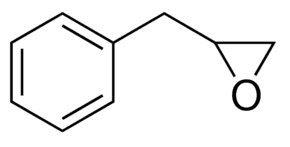
(2,3-Epoxypropyl)benzene
Polymer Science
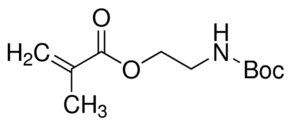
(2-Boc-amino)ethyl methacrylate
C11H19NO4
Polymer Science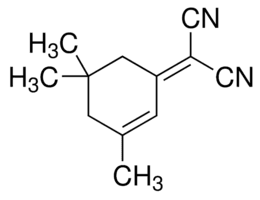
(3,5,5-Trimethylcyclohex-2-enylidene)malononitrile
Polymer Science
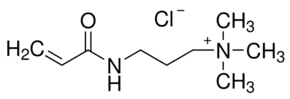
(3-Acrylamidopropyl)trimethylammonium chloride solution
Polymer Science
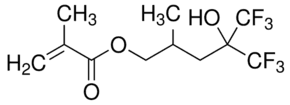
1,1,1-Trifluoro-2-(trifluoromethyl)-2-hydroxy-4-methyl-5-pentyl methacrylate
Polymer Science
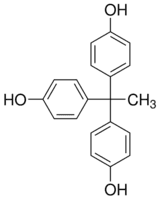
1,1,1-Tris(4-hydroxyphenyl)ethane
Polymer Science
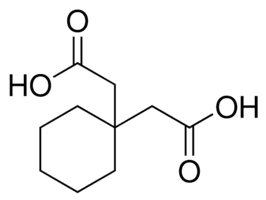
1,1-Cyclohexanediacetic acid
Polymer Science

1,12-Diisocyanatododecane
Polymer Science
▶ Explore more

Bis(cyclopentadienyl)cobalt(III) hexafluorophosphate
C10H10CoF6P
Catalysis & Inorganic
1-(4-Chlorophenyl)biguanide hydrochloride
ClC6H4NHC(NH)NHC(NH)NH2 · HCl
Chemical Synthesis
Bis(cyclopentadienyl)dimethylzirconium(IV)
Catalysis & Inorganic

1-(4-Chlorophenyl)ethanol
ClC6H4CH(CH3)OH
Chemical Synthesis