
Celestine blue
Celestine blue (CAS: 1562-90-9, Formula: C17H18ClN3O4) is a dye with a molecular weight of 363.80 g/mol. It serves as a histological stain, specifically noted for its potential substitution for hematoxylin in Hematoxylin and Eosin (H&E) staining procedures. This compound offers distinct chromatic properties valuable in biological and cell research applications for visualizing cellular structures.
- IUPAC
- Mordant Blue 14

Histological Staining
Celestine blue can be utilised as a substitute for hematoxylin in routine Hematoxylin and Eosin (H&E) staining protocols. It aids in the differential staining of cellular nuclei and other tissue components.
Cell Biology Research
As a biological stain, Celestine blue is employed in cell biology for the visualisation of cellular structures and nuclei. Its spectral properties are valuable for microscopy and diagnostic applications.
Hematology Applications
This dye finds application in hematology for staining blood cells and tissues. It contributes to the precise visualisation required for haematological analysis and research.
| Molecular weight | 363.80 |
|---|---|
| Empirical formula | C17H18ClN3O4 |
| Application | May be substituted for hematoxylin in hematoxylin and eosin procedures. |
| Melting point | 227-230 °C |
| Protective equipment | Eyeshields, Gloves, type N95 (US), type P1 (EN143) respirator filter |
|---|---|
| Water hazard class (WGK, DE) | 3 |
Hazard information is provided for guidance. Always consult the product Safety Data Sheet (SDS), available on request, before handling.
| Colour Index Number | 51050 |
|---|---|
| Absorption | λmax 642 nm |
Documentation
Every batch ships with a Certificate of Analysis covering assay, identity and purity; the grade is confirmed against your enquiry. Safety Data Sheets and technical data sheets are available on request.
Supply & logistics
Samples for technical evaluation; bulk MOQ by grade and packaging. In-stock material ships in 7–10 working days, worldwide, with full export documentation.
What is Celestine blue used for?
+
Celestine blue is primarily used as a histological stain, particularly as a substitute for hematoxylin in Hematoxylin and Eosin (H&E) staining procedures for visualizing cell nuclei and tissue structures in biological and medical research.
What is the CAS number and formula for Celestine blue?
+
The CAS number for Celestine blue is 1562-90-9, and its empirical formula is C17H18ClN3O4.
What grade and purity does Tech Serve Solutions supply?
+
Tech Serve Solutions supplies Celestine blue, identified by CAS 1562-90-9, with a molecular weight of 363.80 g/mol. We provide this chemical for research and laboratory use. The specific assay and purity details are available on the product's Certificate of Analysis, and TSS does not represent it as USP, BP, or EP grade.
How should Celestine blue be handled safely?
+
Handle Celestine blue with appropriate personal protective equipment, including eyeshields and gloves. A type N95 (US) or type P1 (EN143) respirator filter is recommended when handling this compound, which has a WGK Germany rating of 3.
How is Celestine blue packed, shipped, and exported?
+
Celestine blue is carefully packed to ensure integrity during transit and is available for global export by Tech Serve Solutions, a trusted supplier since 1998.
How can I request a sample or quote for Celestine blue?
+
To request a sample or a quote for Celestine blue (CAS: 1562-90-9), please contact our sales team through the Tech Serve Solutions website or by phone.
▶ Related products
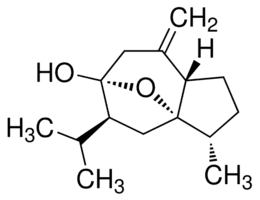
(−)-Curcumol
C15H24O2
Cell Biology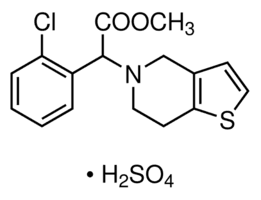
(±) Clopidogrel hydrogensulfate
Cell Biology
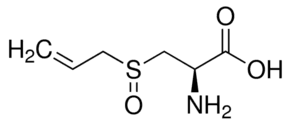
(±)-L-Alliin
C6H11NO3S
Cell Biology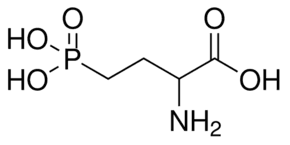
(±)-2-Amino-4-phosphonobutyric acid
C4H10NO5P
Cell Biology
(±)-2-Methylarachidonoyl-2′-fluoroethylamide
C23H38NOF
Cell Biology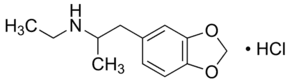
(±)-3,4-Methylenedioxy-N-ethylamphetamine hydrochloride
Cell Biology
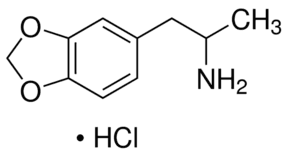
(±)-3,4-Methylenedioxyamphetamine hydrochloride
Cell Biology
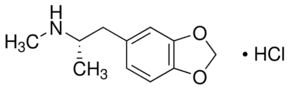
(±)-3,4-Methylenedioxymethamphetamine hydrochloride
Cell Biology
▶ Explore more

Bis(cyclopentadienyl)cobalt(III) hexafluorophosphate
C10H10CoF6P
Catalysis & Inorganic
1-(4-Chlorophenyl)biguanide hydrochloride
ClC6H4NHC(NH)NHC(NH)NH2 · HCl
Chemical Synthesis
Bis(cyclopentadienyl)dimethylzirconium(IV)
Catalysis & Inorganic

1-(4-Chlorophenyl)ethanol
ClC6H4CH(CH3)OH
Chemical Synthesis