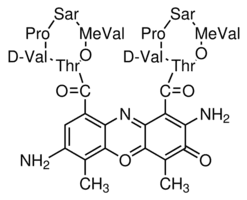
Caspofungin diacetate
Caspofungin diacetate (CAS 179463-17-3) is a lipopeptide antifungal agent with the empirical formula C52H88N10O15 · 2C2H4O2. It functions by inhibiting the synthesis of glucan, a crucial component of fungal cell walls. This mechanism makes it valuable in research settings for studying fungal cell wall integrity and related biological pathways. Its specific diacetate salt form ensures good solubility for experimental use.
- IUPAC
- 1-[(4R,5S)-5-[(2-Aminoethyl)amino]-N2-(10,12-dimethyl-1-oxotetradecyl)-4-hydroxy-L-ornithine]-5-[(3R)-3-hydroxy-L-ornithine]-pneumocandin B0

Antifungal Research
Caspofungin diacetate serves as a critical tool in mycological research, enabling studies into the mechanisms of fungal growth inhibition and the development of new antifungal strategies.
Cell Biology Studies
Utilised in cell biology laboratories to investigate the intricate processes of fungal cell wall synthesis and the impact of its disruption on fungal viability and morphology.
Biochemical Pathway Analysis
This compound is employed to explore biochemical pathways related to cell wall integrity and immune responses in various biological systems.
Immunomodulation Research
Its role in modulating immune responses makes it a subject of study in research focused on the interplay between fungi and host immune systems.
| Empirical formula | C52H88N10O15 · 2C2H4O2 |
|---|---|
| Assay | ≥97% (HPLC) |
| Solubility | H2O: soluble15 mg/mL (clear solution) |
| Storage temperature | −20°C |
Documentation
Every batch ships with a Certificate of Analysis covering assay, identity and purity; the grade is confirmed against your enquiry. Safety Data Sheets and technical data sheets are available on request.
Supply & logistics
Samples for technical evaluation; bulk MOQ by grade and packaging. In-stock material ships in 7–10 working days, worldwide, with full export documentation.
What is Caspofungin diacetate primarily used for?
+
Caspofungin diacetate is primarily used in research settings for studying fungal cell wall synthesis, antifungal mechanisms, and related cell biology and immune system pathways.
What are the CAS number and formula for Caspofungin diacetate?
+
The CAS number for Caspofungin diacetate is 179463-17-3, and its empirical formula is C52H88N10O15 · 2C2H4O2.
What grade and purity does Tech Serve Solutions supply?
+
Tech Serve Solutions supplies Caspofungin diacetate with a minimum purity of ≥97% (HPLC). We do not represent this product as USP, BP, EP, or any other pharmacopoeia grade.
How should Caspofungin diacetate be handled and stored?
+
Caspofungin diacetate should be stored at -20°C. Handle with appropriate personal protective equipment, as it is classified under WGK 2 in Germany, indicating a hazard to aquatic life.
Is Caspofungin diacetate a controlled substance?
+
The provided data does not indicate that Caspofungin diacetate is a controlled substance.
How is Caspofungin diacetate packed, shipped, and exported?
+
Caspofungin diacetate is carefully packed for stability and safety. TSS is a specialist global supplier and exporter of fine chemicals, handling international shipments with expertise.
How can I request a quote or sample for Caspofungin diacetate?
+
To request a quote or sample of Caspofungin diacetate, please contact our sales team through the website or designated contact channels.
▶ Related products
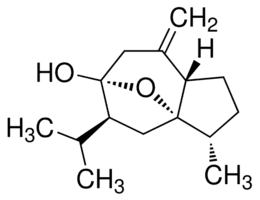
(−)-Curcumol
C15H24O2
Cell Biology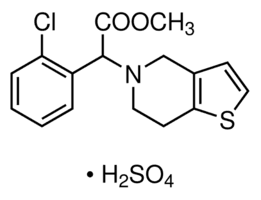
(±) Clopidogrel hydrogensulfate
Cell Biology
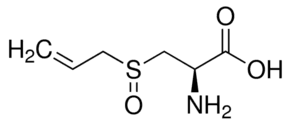
(±)-L-Alliin
C6H11NO3S
Cell Biology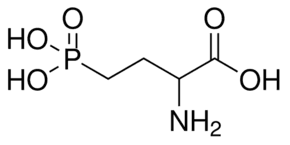
(±)-2-Amino-4-phosphonobutyric acid
C4H10NO5P
Cell Biology
(±)-2-Methylarachidonoyl-2′-fluoroethylamide
C23H38NOF
Cell Biology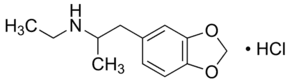
(±)-3,4-Methylenedioxy-N-ethylamphetamine hydrochloride
Cell Biology
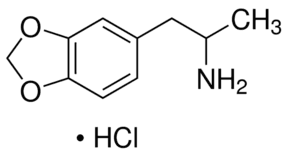
(±)-3,4-Methylenedioxyamphetamine hydrochloride
Cell Biology
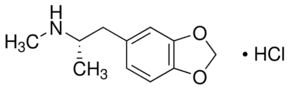
(±)-3,4-Methylenedioxymethamphetamine hydrochloride
Cell Biology