
Carnosol
Carnosol (CAS 5957-80-2), with the molecular formula C20H26O4 and a molecular weight of 330.42 g/mol, is a naturally occurring diterpenoid isolated from Rosmarinus officinalis L. It is recognised for its potent antioxidant properties. Carnosol finds applications in various research areas, including cell biology, functional foods, and nutrition research, contributing to the study of phytochemicals and terpenoids.
- IUPAC
- Picrosalvin
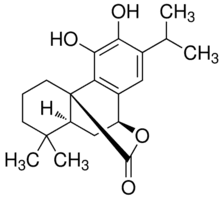
Antioxidant Research
Carnosol is utilised in scientific research due to its significant antioxidant capabilities. It serves as a valuable tool for investigating oxidative stress mechanisms and the development of antioxidant strategies in biological systems.
Cell Biology Studies
In cell biology, Carnosol is employed to explore cellular responses to oxidative damage and to understand the protective effects of natural compounds. Its distinct chemical structure aids in studying cell signalling pathways influenced by antioxidants.
Functional Foods and Nutrition
As a component of functional foods and nutrition research, Carnosol is studied for its potential health benefits. Its presence in plants like rosemary highlights its role in dietary phytochemicals and their impact on human health.
Phytochemical Investigation
Carnosol is a key terpenoid examined within phytochemical studies. Research often focuses on its isolation, characterisation, and biological activities, contributing to the broader understanding of plant-derived bioactive compounds.
| Molecular weight | 330.42 |
|---|---|
| Empirical formula | C20H26O4 |
| Storage temperature | −20°C |
| Biological source | from Rosemarinus officinalis L. |
| Shipped In | dry ice |
|---|
Documentation
Every batch ships with a Certificate of Analysis covering assay, identity and purity; the grade is confirmed against your enquiry. Safety Data Sheets and technical data sheets are available on request.
Supply & logistics
Samples for technical evaluation; bulk MOQ by grade and packaging. In-stock material ships in 7–10 working days, worldwide, with full export documentation.
What is Carnosol used for?
+
Carnosol is primarily used in scientific research, particularly in studies related to its antioxidant properties, cell biology, functional foods, nutrition research, and phytochemical investigations. It is isolated from Rosmarinus officinalis L.
What is the CAS number and formula for Carnosol?
+
The CAS number for Carnosol is 5957-80-2, and its empirical formula is C20H26O4.
What grade and purity does Tech Serve Solutions supply?
+
Tech Serve Solutions supplies Carnosol as indicated by its technical data. The specific assay and purity are detailed in the product's specification sheet. TSS does not represent this product as USP, BP, or EP grade.
What are the safety and handling recommendations for Carnosol?
+
Carnosol has a WGK Germany classification of 3, indicating it is hazardous to water. Handle with appropriate personal protective equipment in a well-ventilated area, avoiding release into the environment.
How is Carnosol shipped and stored?
+
Carnosol is shipped on dry ice and should be stored at -20°C to maintain its integrity.
How can I request a sample or quote for Carnosol?
+
To request a sample or obtain a quote for Carnosol, please contact the Tech Serve Solutions sales team through the website or by phone.
▶ Related products
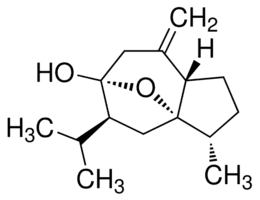
(−)-Curcumol
C15H24O2
Cell Biology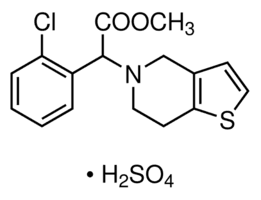
(±) Clopidogrel hydrogensulfate
Cell Biology
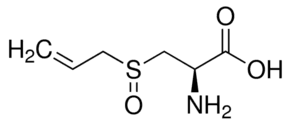
(±)-L-Alliin
C6H11NO3S
Cell Biology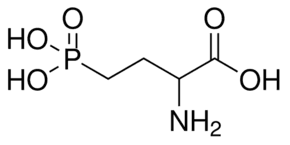
(±)-2-Amino-4-phosphonobutyric acid
C4H10NO5P
Cell Biology
(±)-2-Methylarachidonoyl-2′-fluoroethylamide
C23H38NOF
Cell Biology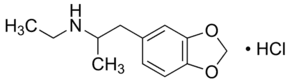
(±)-3,4-Methylenedioxy-N-ethylamphetamine hydrochloride
Cell Biology
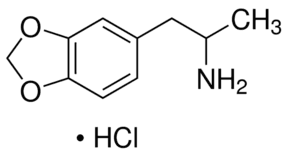
(±)-3,4-Methylenedioxyamphetamine hydrochloride
Cell Biology
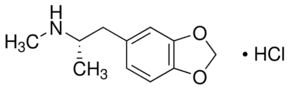
(±)-3,4-Methylenedioxymethamphetamine hydrochloride
Cell Biology
▶ Explore more

Bis(cyclopentadienyl)cobalt(III) hexafluorophosphate
C10H10CoF6P
Catalysis & Inorganic
1-(4-Chlorophenyl)biguanide hydrochloride
ClC6H4NHC(NH)NHC(NH)NH2 · HCl
Chemical Synthesis
Bis(cyclopentadienyl)dimethylzirconium(IV)
Catalysis & Inorganic

1-(4-Chlorophenyl)ethanol
ClC6H4CH(CH3)OH
Chemical Synthesis