
Carbonyl cyanide 3-chlorophenylhydrazone
Carbonyl cyanide 3-chlorophenylhydrazone (CAS 555-60-2), a yellow to orange powder with the molecular formula C9H5ClN4, is a potent mitochondrial inhibitor. Utilised in biochemical research, it primarily acts as an uncoupler of oxidative phosphorylation. Its capacity to dissipate the proton gradient across the inner mitochondrial membrane makes it a valuable tool for studying cellular energy metabolism, mitochondrial function, and cell stress pathways in various biological systems.
- IUPAC
- m-Cl-CCP,CCCP,Mesoxalonitrile 3-chlorophenylhydrazone
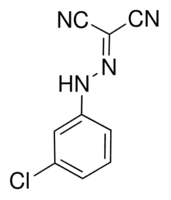
Mitochondrial Uncoupler
Carbonyl cyanide 3-chlorophenylhydrazone is widely recognized for its ability to uncouple oxidative phosphorylation in mitochondria. It disrupts the proton gradient, leading to increased oxygen consumption without ATP synthesis, making it invaluable for studying cellular bioenergetics.
Cellular Respiration Studies
This compound serves as a critical reagent in investigating the mechanisms of cellular respiration and energy production. Researchers employ it to probe mitochondrial efficiency and the impact of metabolic disruptions.
Biochemical Research Tool
As a bioactive small molecule, it is used in diverse cell biology experiments to investigate cell signaling, cell stress responses, and nitric oxide pathways, providing insights into cellular physiology and pathology.
| Molecular weight | 204.62 |
|---|---|
| Empirical formula | C9H5ClN4 |
| Assay | ≥97% (TLC) |
| Form | powder |
| Colour | yellow to orange |
| Solubility | DMSO: soluble100 mM |
| Storage temperature | −20°C |

Hazard statements
- H301Toxic if swallowed
- H311Toxic in contact with skin
- H315Causes skin irritation
- H319Causes serious eye irritation
- H331Toxic if inhaled
- H335May cause respiratory irritation
Precautionary statements
- P261Avoid breathing dust, fume, gas or vapours
- P280Wear protective gloves, clothing and eye/face protection
- P301IF SWALLOWED
- P305IF IN EYES
- P311Call a POISON CENTER or doctor
| Protective equipment | Eyeshields, Faceshields, Gloves, type P2 (EN 143) respirator cartridges |
|---|---|
| Transport (UN / ADR) | UN 2811 6.1 / PGIII |
| Water hazard class (WGK, DE) | 3 |
| Hazard codes (EU) | T |
| Risk statements (R) | 23/24/25-36/37/38 |
| Safety statements (S) | 26-36/37-45 |
Hazard information is provided for guidance. Always consult the product Safety Data Sheet (SDS), available on request, before handling.
Documentation
Every batch ships with a Certificate of Analysis covering assay, identity and purity; the grade is confirmed against your enquiry. Safety Data Sheets and technical data sheets are available on request.
Supply & logistics
Samples for technical evaluation; bulk MOQ by grade and packaging. In-stock material ships in 7–10 working days, worldwide, with full export documentation.
What is Carbonyl cyanide 3-chlorophenylhydrazone used for?
+
Carbonyl cyanide 3-chlorophenylhydrazone (CAS 555-60-2) is primarily used as a mitochondrial uncoupler in biochemical and cell biology research to study cellular respiration, energy metabolism, and cell stress pathways.
What is the CAS number and molecular formula for Carbonyl cyanide 3-chlorophenylhydrazone?
+
The CAS number is 555-60-2, and the molecular formula is C9H5ClN4.
What grade and purity does Tech Serve Solutions supply?
+
Tech Serve Solutions supplies Carbonyl cyanide 3-chlorophenylhydrazone with an assay of ≥97% (TLC). This is a research-grade chemical and not intended for human or veterinary use, nor should it be represented as USP, BP, or EP grade.
How should Carbonyl cyanide 3-chlorophenylhydrazone be handled safely?
+
Due to its toxicity (Danger, H301-H311-H331) and irritant properties (H315-H319-H335), handle with extreme caution. Use appropriate personal protective equipment including eyeshields, face shields, gloves, and a P2 respirator. Ensure adequate ventilation and avoid contact with skin, eyes, and clothing. Store at -20°C.
Is Carbonyl cyanide 3-chlorophenylhydrazone a controlled substance?
+
The provided data does not indicate that Carbonyl cyanide 3-chlorophenylhydrazone is a controlled substance.
How is Carbonyl cyanide 3-chlorophenylhydrazone packed and shipped?
+
Tech Serve Solutions packs and exports Carbonyl cyanide 3-chlorophenylhydrazone according to international shipping regulations for hazardous materials (UN 2811, Class 6.1, PGIII).
How can I request a quote or sample for Carbonyl cyanide 3-chlorophenylhydrazone?
+
To request a quote or sample of Carbonyl cyanide 3-chlorophenylhydrazone, please contact our sales team through the website or by phone, providing your specific requirements.
▶ Related products
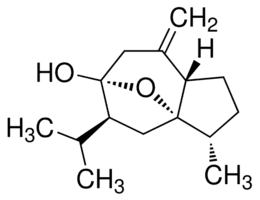
(−)-Curcumol
C15H24O2
Cell Biology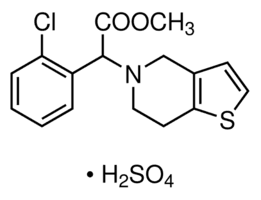
(±) Clopidogrel hydrogensulfate
Cell Biology
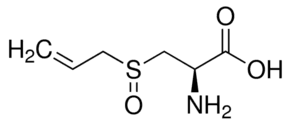
(±)-L-Alliin
C6H11NO3S
Cell Biology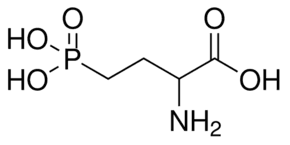
(±)-2-Amino-4-phosphonobutyric acid
C4H10NO5P
Cell Biology
(±)-2-Methylarachidonoyl-2′-fluoroethylamide
C23H38NOF
Cell Biology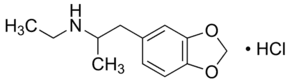
(±)-3,4-Methylenedioxy-N-ethylamphetamine hydrochloride
Cell Biology
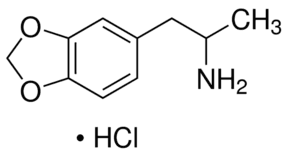
(±)-3,4-Methylenedioxyamphetamine hydrochloride
Cell Biology
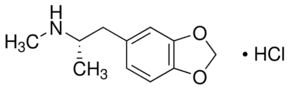
(±)-3,4-Methylenedioxymethamphetamine hydrochloride
Cell Biology
▶ Explore more

Bis(cyclopentadienyl)cobalt(III) hexafluorophosphate
C10H10CoF6P
Catalysis & Inorganic
1-(4-Chlorophenyl)biguanide hydrochloride
ClC6H4NHC(NH)NHC(NH)NH2 · HCl
Chemical Synthesis
Bis(cyclopentadienyl)dimethylzirconium(IV)
Catalysis & Inorganic

1-(4-Chlorophenyl)ethanol
ClC6H4CH(CH3)OH
Chemical Synthesis