
Carbonyl-13C sulfide
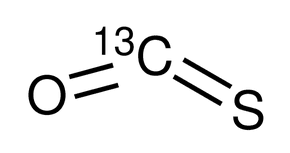
Carbonyl-13C sulfide (CAS 6142-96-7), with the formula <sup>13</sup>COS and a molecular weight of 61.07 g/mol, is a stable isotope-labelled gas. This compound is a crucial reagent in chemical synthesis, particularly for incorporating a <sup>13</sup>C-labelled carbonyl group into organic molecules. Its applications span research and development, isotopic labelling studies, and advanced materials science, offering unique capabilities for mechanistic investigations and tracer studies.
- IUPAC
- Carbon-13C oxysulfide
Isotopic Labelling
Utilised in research to introduce a specific carbon-13 isotope into molecules for tracing reaction pathways and metabolic studies. This allows for precise tracking of atomic movement in complex chemical and biological systems.
Chemical Synthesis
Serves as a reagent for introducing a <sup>13</sup>C-labelled carbonyl group (<sup>13</sup>C=O) in organic synthesis. This is vital for the preparation of labelled intermediates and final products used in analytical and spectroscopic studies.
Spectroscopy and Analytical Standards
The unique isotopic signature of <sup>13</sup>COS makes it valuable for developing and calibrating spectroscopic methods, especially in mass spectrometry and NMR, where labelled compounds are essential for structure elucidation and quantification.
Materials Science Research
Employed in the development of novel materials where isotopic labelling can probe material properties, degradation pathways, or surface interactions at a molecular level.
| Molecular weight | 61.07 |
|---|---|
| Linear formula | 13COS |
| Boiling point | −50 °C(lit.) |
| Vapour pressure | 9034 mmHg (21 °C) |
| Vapour density | 2.1 (20 °C, vs air) |
| Melting point | −138 °C(lit.) |


Hazard statements
- H280Contains gas under pressure; may explode if heated
- H315Causes skin irritation
- H319Causes serious eye irritation
- H331Toxic if inhaled
- H335May cause respiratory irritation
Precautionary statements
- P261Avoid breathing dust, fume, gas or vapours
- P305IF IN EYES
- P311Call a POISON CENTER or doctor
- P410Protect from sunlight
| Transport (UN / ADR) | UN 2204 2.1(2.3) |
|---|---|
| Water hazard class (WGK, DE) | 3 |
| Hazard codes (EU) | F,Xn |
| Risk statements (R) | 11-20-36/37/38 |
| Safety statements (S) | 16-26-38 |
Hazard information is provided for guidance. Always consult the product Safety Data Sheet (SDS), available on request, before handling.
| Isotopic Purity | 99 atom % 13C<5 atom % 18O |
|---|---|
| Mass Shift | M+1 |
Documentation
Every batch ships with a Certificate of Analysis covering assay, identity and purity; the grade is confirmed against your enquiry. Safety Data Sheets and technical data sheets are available on request.
Supply & logistics
Samples for technical evaluation; bulk MOQ by grade and packaging. In-stock material ships in 7–10 working days, worldwide, with full export documentation.
What is Carbonyl-13C sulfide used for?
+
Carbonyl-13C sulfide is primarily used for isotopic labelling in chemical synthesis and research, allowing for the incorporation of a <sup>13</sup>C isotope into molecules for tracer studies, mechanistic investigations, and analytical standard development.
What are the CAS number and formula for Carbonyl-13C sulfide?
+
The CAS number for Carbonyl-13C sulfide is 6142-96-7, and its formula is <sup>13</sup>COS.
What grade and purity does Tech Serve Solutions supply for Carbonyl-13C sulfide?
+
Tech Serve Solutions supplies Carbonyl-13C sulfide with a purity of 99 atom % <sup>13</sup>C and less than 5 atom % <sup>18</sup>O. This is a research grade, and TSS does not represent it as USP/BP/EP.
How is Carbonyl-13C sulfide handled and what are the associated hazards?
+
Carbonyl-13C sulfide is a gas labelled with Danger. It causes skin irritation (H315), serious eye irritation (H319), and may cause respiratory irritation (H335). It contains gas under pressure; may explode if heated (H280) and is toxic if inhaled (H331). Handle with appropriate respiratory protection and ventilation in a controlled environment.
Is Carbonyl-13C sulfide a controlled substance?
+
The provided data does not indicate that Carbonyl-13C sulfide is a controlled substance.
How is Carbonyl-13C sulfide packed, shipped, and exported?
+
Carbonyl-13C sulfide is supplied as a gas. Shipping and export are conducted in compliance with international regulations for hazardous materials, including UN 2204 classification.
How can I request a sample or quote for Carbonyl-13C sulfide?
+
To request a sample or quote, please contact the Tech Serve Solutions sales department via our website or by telephone, providing the product name and CAS number (6142-96-7).
▶ Related products
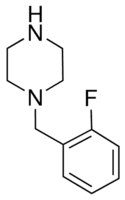
1-(2-Fluorobenzyl)piperazine
C11H15FN2
Chemical Synthesis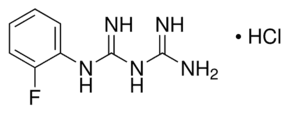
1-(2-Fluorophenyl)biguanide hydrochloride
Chemical Synthesis
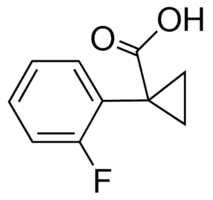
1-(2-Fluorophenyl)cyclopropanecarboxylic acid
C10H9FO2
Chemical Synthesis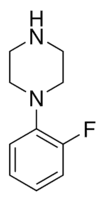
1-(2-Fluorophenyl)piperazine
C10H13FN2
Chemical Synthesis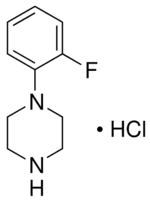
1-(2-Fluorophenyl)piperazine monohydrochloride
C10H13FN2 · HCl
Chemical Synthesis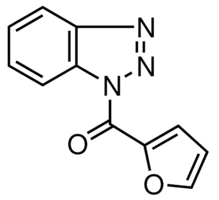
1-(2-Furoyl)-1H-benzotriazole
C11H7N3O2
Chemical Synthesis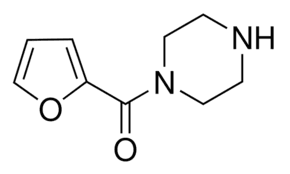
1-(2-Furoyl)piperazine
C9H12N2O2
Chemical Synthesis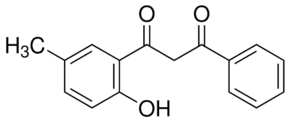
1-(2-Hydroxy-5-methylphenyl)-3-phenyl-1,3-propanedione
Chemical Synthesis
▶ Explore more

Bis(cyclopentadienyl)cobalt(III) hexafluorophosphate
C10H10CoF6P
Catalysis & Inorganic
1-(4-Chlorophenyl)biguanide hydrochloride
ClC6H4NHC(NH)NHC(NH)NH2 · HCl
Chemical Synthesis
Bis(cyclopentadienyl)dimethylzirconium(IV)
Catalysis & Inorganic

1-(4-Chlorophenyl)ethanol
ClC6H4CH(CH3)OH
Chemical Synthesis