
Carbon tetrachloride
Carbon tetrachloride (CAS 56-23-5), with the chemical formula CCl4 and a molecular weight of 153.82 g/mol, is a dense, non-flammable liquid. Historically used as a cleaning agent and refrigerant, its use is now heavily restricted due to environmental and health concerns. It remains valuable in specific laboratory applications, including as a solvent for chromatographic analysis and in certain chemical syntheses.
- IUPAC
- Tetrachloromethane
- Synonyms
- Tetrachloromethane

Chromatographic Solvent
High-purity grades of carbon tetrachloride are employed as solvents in High-Performance Liquid Chromatography (HPLC) and UHPLC, particularly within the CHROMASOLV® range. Its properties make it suitable for specific separation techniques.
Chemical Synthesis
Carbon tetrachloride serves as a reagent in certain organic synthesis pathways, primarily for C-X bond formation and chlorination reactions. Its applications in synthesis are carefully managed due to its hazardous nature.
Analytical Reagent
As an analytical reagent, carbon tetrachloride is used in laboratory settings for various testing and calibration procedures. Its well-defined properties aid in achieving accurate analytical results.
| Molecular weight | 153.82 |
|---|---|
| Empirical formula | CCl4 |
| Assay | 99.9% |
| Grade | CHROMASOLV®for HPLC |
| Boiling point | 76-77 °C(lit.) |
| Density | 1.594 g/mL at 25 °C(lit.) |
| Refractive index | n20/D 1.460(lit.) |
| Melting point | −23 °C(lit.) |
| Vapour pressure | 143 mmHg (30 °C)91 mmHg (20 °C) |
| Vapour density | 5.32 (vs air) |
| Application | Please view www.aldrich.com/epaods regarding the EPA′s request for application information of Ozone Depleting Substances |


Hazard statements
- H301Toxic if swallowed
- H317May cause an allergic skin reaction
- H351Suspected of causing cancer
- H372Causes damage to organs through prolonged exposure
- H412Harmful to aquatic life with long-lasting effects
- H420
Precautionary statements
- P261Avoid breathing dust, fume, gas or vapours
- P273Avoid release to the environment
- P280Wear protective gloves, clothing and eye/face protection
- P301IF SWALLOWED
- P311Call a POISON CENTER or doctor
| Protective equipment | Eyeshields, Faceshields, full-face respirator (US), Gloves, multi-purpose combination respirator cartridge (US), type ABEK (EN14387) respirator filter |
|---|---|
| Transport (UN / ADR) | UN 1846 6.1 / PGII |
| Water hazard class (WGK, DE) | 3 |
| Hazard codes (EU) | T,N |
| Risk statements (R) | 23/24/25-40-48/23-52/53-59 |
| Safety statements (S) | 23-36/37-45-59-61 |
Hazard information is provided for guidance. Always consult the product Safety Data Sheet (SDS), available on request, before handling.
| Availability | not available in EU |
|---|---|
| λ | H2O reference |
Documentation
Every batch ships with a Certificate of Analysis covering assay, identity and purity; the grade is confirmed against your enquiry. Safety Data Sheets and technical data sheets are available on request.
Supply & logistics
Samples for technical evaluation; bulk MOQ by grade and packaging. In-stock material ships in 7–10 working days, worldwide, with full export documentation.
What is Carbon Tetrachloride used for?
+
Carbon tetrachloride (CAS 56-23-5) is primarily used as a solvent in chromatographic analysis (HPLC, UHPLC), as a reagent in specific chemical syntheses (e.g., chlorination), and as a general laboratory analytical reagent. Its historical uses have been significantly curtailed due to environmental and health concerns.
What is the CAS number and chemical formula for Carbon Tetrachloride?
+
The CAS number for Carbon Tetrachloride is 56-23-5, and its chemical formula is CCl4.
What grade and purity does Tech Serve Solutions supply for Carbon Tetrachloride?
+
Tech Serve Solutions supplies Carbon Tetrachloride in CHROMASOLV® grade for HPLC, with an assay of 99.9%. TSS does not represent this product as USP, BP, EP, or any other pharmacopoeia grade unless explicitly stated in the product specifications.
How should Carbon Tetrachloride be handled safely?
+
Carbon tetrachloride is a dangerous substance (GHS06, GHS08, Signal Word: Danger) that is toxic if swallowed, in contact with skin, or if inhaled (H301 + H311 + H331). It may cause an allergic skin reaction (H317), is suspected of causing cancer (H351), and causes damage to organs through prolonged or repeated exposure (H372). It is also harmful to aquatic life with long-lasting effects (H412) and may damage the ozone layer (H420). Strict adherence to safety protocols, including appropriate personal protective equipment (Eyeshields, Faceshields, full-face respirator, Gloves, specific respirator cartridges/filters), is essential. Handle only in well-ventilated areas or fume hoods.
Is Carbon Tetrachloride a controlled substance?
+
Carbon tetrachloride is listed as having Hazard Statements H420 (May damage the ozone layer), indicating its status as an ozone-depleting substance. Please refer to www.aldrich.com/epaods for the EPA's request for application information regarding Ozone Depleting Substances. Its handling and use are subject to environmental regulations.
How is Carbon Tetrachloride packed and exported?
+
Carbon tetrachloride is typically supplied in Amber Glass Bottles, suitable for its grade and intended applications. Tech Serve Solutions is a specialist global supplier and exporter of fine chemicals.
How can I request a quote or sample for Carbon Tetrachloride?
+
To request a quote or a sample of Carbon Tetrachloride, please contact the Tech Serve Solutions sales team through our website or by phone. Please specify the required quantity and grade.
▶ Related products
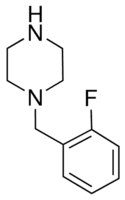
1-(2-Fluorobenzyl)piperazine
C11H15FN2
Chemical Synthesis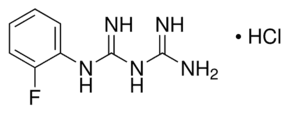
1-(2-Fluorophenyl)biguanide hydrochloride
Chemical Synthesis
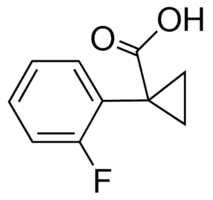
1-(2-Fluorophenyl)cyclopropanecarboxylic acid
C10H9FO2
Chemical Synthesis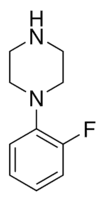
1-(2-Fluorophenyl)piperazine
C10H13FN2
Chemical Synthesis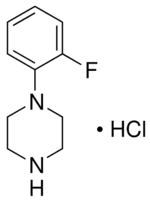
1-(2-Fluorophenyl)piperazine monohydrochloride
C10H13FN2 · HCl
Chemical Synthesis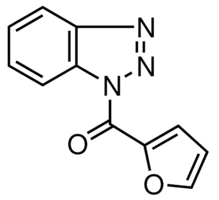
1-(2-Furoyl)-1H-benzotriazole
C11H7N3O2
Chemical Synthesis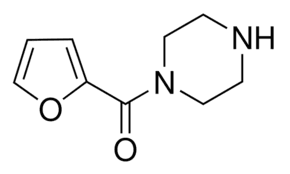
1-(2-Furoyl)piperazine
C9H12N2O2
Chemical Synthesis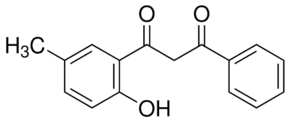
1-(2-Hydroxy-5-methylphenyl)-3-phenyl-1,3-propanedione
Chemical Synthesis
▶ Explore more

Bis(cyclopentadienyl)cobalt(III) hexafluorophosphate
C10H10CoF6P
Catalysis & Inorganic
1-(4-Chlorophenyl)biguanide hydrochloride
ClC6H4NHC(NH)NHC(NH)NH2 · HCl
Chemical Synthesis
Bis(cyclopentadienyl)dimethylzirconium(IV)
Catalysis & Inorganic

1-(4-Chlorophenyl)ethanol
ClC6H4CH(CH3)OH
Chemical Synthesis