Butylated hydroxyanisole
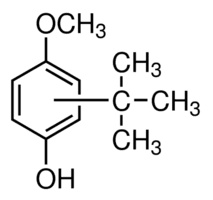
Butylated hydroxyanisole (BHA), CAS 25013-16-5, is a synthetic phenolic antioxidant with a molecular weight of 180.24. It is a waxy solid typically used to prevent oxidation in food, cosmetics, and pharmaceutical products. BHA functions by scavenging free radicals, thereby preserving the quality and extending the shelf-life of susceptible materials. Its antioxidant properties make it valuable in various industrial applications.
- IUPAC
- 2(3)-t-Butyl-4-hydroxyanisole,2(3)-t-Butylhydroquinone monomethyl ether,BHA
- Synonyms
- BHA2-tert-Butyl-4-hydroxyanisole3-tert-Butyl-4-hydroxyanisole2(3)-t-Butyl-4-hydroxyanisole2(3)-t-Butylhydroquinone monomethyl ether
Antioxidant in Food Products
BHA is widely employed as an antioxidant in fatty foods, such as vegetable oils, animal fats, and baked goods, to prevent rancidity and maintain product freshness. It helps to inhibit the oxidation processes that lead to undesirable flavour and odour changes.
Preservative in Cosmetics
In cosmetic formulations, BHA acts as an antioxidant to protect ingredients, particularly those prone to oxidation like fragrances and fats, from degradation. This helps to ensure the stability and efficacy of cosmetic products over time.
Stabilizer in Pharmaceuticals
BHA serves as a stabiliser in certain pharmaceutical preparations, particularly those containing active ingredients sensitive to oxidative breakdown. Its inclusion helps to maintain the potency and integrity of medications.
Chemical Synthesis Intermediate
As a phenolic compound, BHA can be utilised as a building block in chemical synthesis for the creation of more complex organic molecules. Its structure offers reactive sites for further chemical modification.
| Molecular weight | 180.24 |
|---|---|
| Linear formula | (CH3)3CC6H3(OCH3)OH |
| Assay | ≥98.5% |
| Vapour density | 6.2 (vs air) |
| Autoignition temp | 599 °F |
| Melting point | 58-60 °C(lit.) |


Hazard statements
- H302Harmful if swallowed
- H315Causes skin irritation
- H319Causes serious eye irritation
- H335May cause respiratory irritation
- H351Suspected of causing cancer
Precautionary statements
- P261Avoid breathing dust, fume, gas or vapours
- P281Use personal protective equipment as required
- P305IF IN EYES
| Protective equipment | Eyeshields, full-face particle respirator type N100 (US), Gloves, respirator cartridge type N100 (US), type P1 (EN143) respirator filter, type P3 (EN 143) respirator cartridges |
|---|---|
| Flash point | 113 °C / 235.4 °F |
| Water hazard class (WGK, DE) | 2 |
| Hazard codes (EU) | Xn |
| Risk statements (R) | 22-36/37/38-40 |
| Safety statements (S) | 26-36/37 |
Hazard information is provided for guidance. Always consult the product Safety Data Sheet (SDS), available on request, before handling.
Documentation
Every batch ships with a Certificate of Analysis covering assay, identity and purity; the grade is confirmed against your enquiry. Safety Data Sheets and technical data sheets are available on request.
Supply & logistics
Samples for technical evaluation; bulk MOQ by grade and packaging. In-stock material ships in 7–10 working days, worldwide, with full export documentation.
What is Butylated hydroxyanisole (BHA) used for?
+
Butylated hydroxyanisole (BHA) is primarily used as an antioxidant in food products, cosmetics, and pharmaceuticals to prevent oxidative degradation and extend shelf-life. It also finds application in chemical synthesis.
What is the CAS number and molecular formula for Butylated hydroxyanisole?
+
The CAS number for Butylated hydroxyanisole is 25013-16-5. The linear formula is (CH3)3CC6H3(OCH3)OH.
What grade and purity does Tech Serve Solutions supply?
+
Tech Serve Solutions supplies Butylated hydroxyanisole with an assay of ≥98.5%. TSS does not represent this product as USP, BP, EP, or any other pharmacopoeial grade unless explicitly stated.
What are the main safety concerns when handling Butylated hydroxyanisole?
+
Butylated hydroxyanisole is classified with hazards including H302 (Harmful if swallowed), H315 (Causes skin irritation), H319 (Causes serious eye irritation), H335 (May cause respiratory irritation), and H351 (Suspected of causing cancer). Always use appropriate personal protective equipment, including eyeshields, gloves, and a suitable respirator, and ensure adequate ventilation.
How is Butylated hydroxyanisole packed, shipped, and exported?
+
Butylated hydroxyanisole is carefully packed according to industry standards to ensure safe transit and is exported globally by Tech Serve Solutions. Specific packaging details are available upon request.
How can I request a quote or sample for Butylated hydroxyanisole?
+
To request a quote or a sample of Butylated hydroxyanisole, please contact our sales team through the website or by phone. We will be happy to assist you.
▶ Related products
1-(2-Fluorobenzyl)piperazine
C11H15FN2
Chemical Synthesis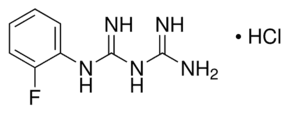
1-(2-Fluorophenyl)biguanide hydrochloride
Chemical Synthesis
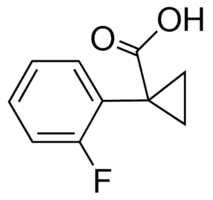
1-(2-Fluorophenyl)cyclopropanecarboxylic acid
C10H9FO2
Chemical Synthesis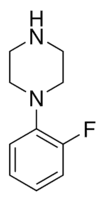
1-(2-Fluorophenyl)piperazine
C10H13FN2
Chemical Synthesis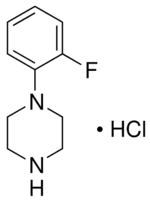
1-(2-Fluorophenyl)piperazine monohydrochloride
C10H13FN2 · HCl
Chemical Synthesis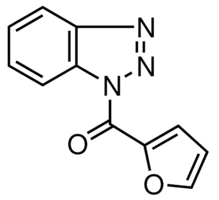
1-(2-Furoyl)-1H-benzotriazole
C11H7N3O2
Chemical Synthesis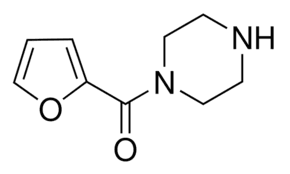
1-(2-Furoyl)piperazine
C9H12N2O2
Chemical Synthesis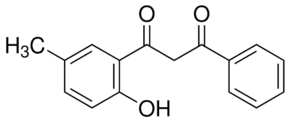
1-(2-Hydroxy-5-methylphenyl)-3-phenyl-1,3-propanedione
Chemical Synthesis