Butyl acrylate
Butyl acrylate (CAS: 141-32-2), with the linear formula CH 2 =CHCOO(CH 2 )<sub>3</sub>CH 3 , is an organic ester with a molecular weight of 128.17 g/mol. This clear liquid is primarily utilised as a monomer in the production of polymers and copolymers. Its applications span across various industrial sectors, contributing to the synthesis of diverse materials due to its reactive vinyl group and ester functionality.
- Synonyms
- n-Butyl acrylate

Polymer Synthesis
Butyl acrylate serves as a key monomer in the creation of acrylic polymers and copolymers. These polymers are essential components in paints, coatings, adhesives, and sealants, offering desirable properties such as flexibility and durability.
Adhesives and Sealants
It is a fundamental building block for acrylic-based adhesives and sealants used in construction and manufacturing. The ester provides excellent adhesion to various substrates and maintains flexibility over a wide temperature range.
Textile and Leather Finishing
Butyl acrylate is incorporated into polymer emulsions used for finishing textiles and leather. It imparts a desirable feel, enhances durability, and improves the water resistance of treated materials.
Coatings and Paints
This compound is used in the formulation of water-based and solvent-based coatings and paints. The resulting acrylic resins contribute to film formation, gloss, and resistance to weathering.
| Molecular weight | 128.17 |
|---|---|
| Linear formula | CH2=CHCOO(CH2)3CH3 |
| Assay | ≥99.0% (GC) |
| Grade | purum |
| Boiling point | 145 °C(lit.) |
| Density | 0.899 g/mL at 20 °C0.894 g/mL at 25 °C(lit.) |
| Refractive index | n20/D 1.418(lit.)n20/D 1.419 |
| Vapour pressure | 3.3 mmHg (20 °C) |
| Vapour density | >1 (vs air) |
| Autoignition temp | 559 °F |
| Contains / stabiliser | ~0.0015% hydroquinone monomethyl ether as stabilizer |


Hazard statements
- H226Flammable liquid and vapour
- H315Causes skin irritation
- H317May cause an allergic skin reaction
- H319Causes serious eye irritation
- H335May cause respiratory irritation
Precautionary statements
- P261Avoid breathing dust, fume, gas or vapours
- P280Wear protective gloves, clothing and eye/face protection
- P305IF IN EYES
| Protective equipment | Eyeshields, Faceshields, full-face respirator (US), Gloves, multi-purpose combination respirator cartridge (US), type ABEK (EN14387) respirator filter |
|---|---|
| Flash point | 36 °C / 96.8 °F |
| Transport (UN / ADR) | UN 2348 3 / PGIII |
| Water hazard class (WGK, DE) | 1 |
| Hazard codes (EU) | Xi |
| Risk statements (R) | 10-36/37/38-43 |
| Safety statements (S) | 9 |
Hazard information is provided for guidance. Always consult the product Safety Data Sheet (SDS), available on request, before handling.
| Expl Lim | 9.9 % |
|---|
Documentation
Every batch ships with a Certificate of Analysis covering assay, identity and purity; the grade is confirmed against your enquiry. Safety Data Sheets and technical data sheets are available on request.
Supply & logistics
Samples for technical evaluation; bulk MOQ by grade and packaging. In-stock material ships in 7–10 working days, worldwide, with full export documentation.
What is Butyl acrylate used for?
+
Butyl acrylate is primarily used as a monomer in the production of acrylic polymers and copolymers, which find applications in paints, coatings, adhesives, sealants, and textile treatments.
What is the CAS number and formula for Butyl acrylate?
+
The CAS number for Butyl acrylate is 141-32-2, and its linear formula is CH 2 =CHCOO(CH 2 )<sub>3</sub>CH 3 .
What grade and purity does Tech Serve Solutions supply?
+
Tech Serve Solutions supplies Butyl acrylate with an assay of ≥99.0% (GC), specified as purum grade. We do not represent this product as USP, BP, or EP grade.
How should Butyl acrylate be handled safely?
+
Butyl acrylate is a flammable liquid and vapour (H226) that can cause skin irritation (H315), allergic skin reactions (H317), serious eye irritation (H319), and respiratory irritation (H335). Appropriate personal protective equipment, including eyeshields, gloves, and a suitable respirator, must be worn. Handle in a well-ventilated area, away from ignition sources.
How is Butyl acrylate packed and shipped?
+
Butyl acrylate is shipped as UN 2348, Class 3, Packing Group III, indicating it is a flammable liquid. Packaging is selected to ensure safe transport and preservation of product integrity according to international regulations.
How can I request a quote or sample of Butyl acrylate?
+
To request a quote or a sample of Butyl acrylate, please contact our sales team through the dedicated portal on the Tech Serve Solutions website, providing your specific requirements.
▶ Related products
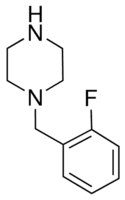
1-(2-Fluorobenzyl)piperazine
C11H15FN2
Chemical Synthesis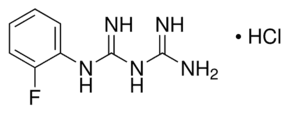
1-(2-Fluorophenyl)biguanide hydrochloride
Chemical Synthesis
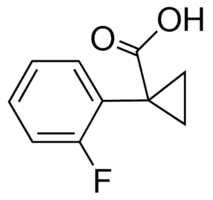
1-(2-Fluorophenyl)cyclopropanecarboxylic acid
C10H9FO2
Chemical Synthesis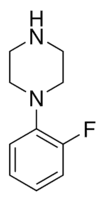
1-(2-Fluorophenyl)piperazine
C10H13FN2
Chemical Synthesis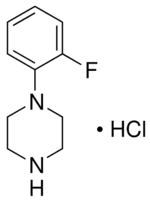
1-(2-Fluorophenyl)piperazine monohydrochloride
C10H13FN2 · HCl
Chemical Synthesis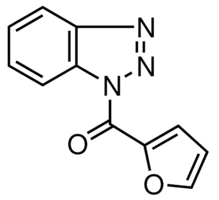
1-(2-Furoyl)-1H-benzotriazole
C11H7N3O2
Chemical Synthesis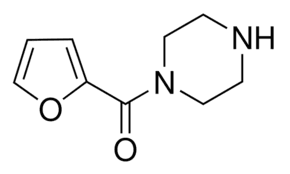
1-(2-Furoyl)piperazine
C9H12N2O2
Chemical Synthesis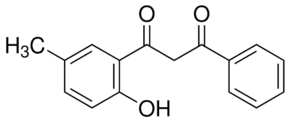
1-(2-Hydroxy-5-methylphenyl)-3-phenyl-1,3-propanedione
Chemical Synthesis