
BMS 493
BMS 493 (CAS: 215030-90-3; Formula: C29H24O2; Molar Mass: 404.50 g/mol) is a light yellow to yellow powder. As a bioactive small molecule and potential therapeutic candidate, it plays a role in apoptosis and cell cycle regulation. Its applications extend to research in cell biology, gene regulation, and as a tool for studying PPAR and RXR pathways. BMS 493 is a valuable reagent for advanced scientific investigations.
- IUPAC
- (E)-4-[2-[5,6-Dihydro-5,5-dimethyl-8-(2-phenylethynyl)naphthalen-2-yl]ethen-1-yl]benzoic acid,4-[(1E)-2-[5,6-Dihydro-5,5-dimethyl-8-(phenylethynyl)-2-naphthalenyl]ethenyl]-benzoic acid,BMS204, 493

Apoptosis and Cell Cycle Research
BMS 493 is utilised in studies investigating the mechanisms of programmed cell death and cell cycle progression. Its role as a potential therapeutic candidate makes it a subject of interest for understanding cellular regulatory pathways.
Gene Regulation and Expression Studies
This compound serves as a tool for researchers exploring gene regulation, particularly concerning pathways influenced by PPAR and RXR. It aids in understanding how these nuclear receptors impact cellular functions.
Drug Discovery and Development
As an approved therapeutic candidate, BMS 493 is relevant in drug discovery programs. It is employed in preclinical research and screening for potential therapeutic applications in various disease areas.
Cell Signaling Investigations
BMS 493 can be used to investigate complex cell signaling cascades. Its biochemical activity makes it useful for dissecting signalling pathways relevant to cell fate and function.
| Molecular weight | 404.50 |
|---|---|
| Empirical formula | C29H24O2 |
| Assay | ≥98% (HPLC) |
| Form | powder |
| Colour | light yellow to yellow |
| Solubility | DMSO: ≥20 mg/mL |
| Storage temperature | 2-8°C |
Hazard statements
- H413May cause long-lasting harmful effects to aquatic life
| Water hazard class (WGK, DE) | 2 |
|---|
Hazard information is provided for guidance. Always consult the product Safety Data Sheet (SDS), available on request, before handling.
Documentation
Every batch ships with a Certificate of Analysis covering assay, identity and purity; the grade is confirmed against your enquiry. Safety Data Sheets and technical data sheets are available on request.
Supply & logistics
Samples for technical evaluation; bulk MOQ by grade and packaging. In-stock material ships in 7–10 working days, worldwide, with full export documentation.
What is BMS 493 used for?
+
BMS 493 is primarily used in scientific research for studies related to apoptosis, cell cycle regulation, gene expression, and cell signaling. It is also investigated as a potential therapeutic candidate.
What are the CAS number and formula for BMS 493?
+
The CAS number for BMS 493 is 215030-90-3, and its empirical formula is C29H24O2.
What grade and purity does Tech Serve Solutions supply for BMS 493?
+
Tech Serve Solutions supplies BMS 493 with a purity of ≥98% (HPLC). We do not represent this product as meeting USP, BP, EP, or other pharmacopoeial standards.
How should BMS 493 be handled and stored?
+
BMS 493 is classified under GHS hazard H413 (May cause long lasting harmful effects to aquatic life). It should be stored at 2-8°C. Please consult the Safety Data Sheet (SDS) for detailed handling and safety precautions.
Is BMS 493 suitable for human consumption or clinical use?
+
BMS 493 is supplied for research purposes only and is not intended for human consumption, therapeutic use, or clinical applications. Its suitability for specific research applications should be determined by qualified personnel.
How is BMS 493 shipped and exported?
+
Tech Serve Solutions specialises in the global supply and export of fine chemicals, including BMS 493. All shipments are handled in compliance with international shipping regulations for chemical products.
How can I request a quote or sample for BMS 493?
+
To request a quote or sample of BMS 493, please visit the product page on our website or contact our sales department directly with your inquiry.
▶ Related products
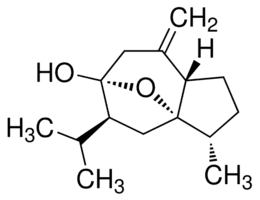
(−)-Curcumol
C15H24O2
Cell Biology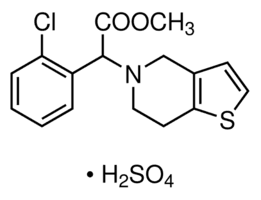
(±) Clopidogrel hydrogensulfate
Cell Biology
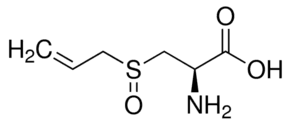
(±)-L-Alliin
C6H11NO3S
Cell Biology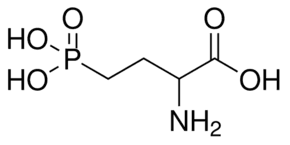
(±)-2-Amino-4-phosphonobutyric acid
C4H10NO5P
Cell Biology
(±)-2-Methylarachidonoyl-2′-fluoroethylamide
C23H38NOF
Cell Biology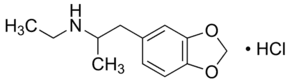
(±)-3,4-Methylenedioxy-N-ethylamphetamine hydrochloride
Cell Biology
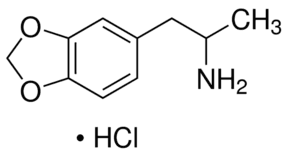
(±)-3,4-Methylenedioxyamphetamine hydrochloride
Cell Biology
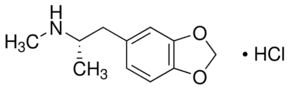
(±)-3,4-Methylenedioxymethamphetamine hydrochloride
Cell Biology
▶ Explore more

Bis(cyclopentadienyl)cobalt(III) hexafluorophosphate
C10H10CoF6P
Catalysis & Inorganic
1-(4-Chlorophenyl)biguanide hydrochloride
ClC6H4NHC(NH)NHC(NH)NH2 · HCl
Chemical Synthesis
Bis(cyclopentadienyl)dimethylzirconium(IV)
Catalysis & Inorganic

1-(4-Chlorophenyl)ethanol
ClC6H4CH(CH3)OH
Chemical Synthesis