
Bis(trimethylaluminum)-1,4-diazabicyclo[2.2.2]octane adduct
Bis(trimethylaluminum)-1,4-diazabicyclo[2.2.2]octane adduct (CAS: 137203-34-0) is an organoaluminum compound offering enhanced stability compared to trimethylaluminum. This adduct serves as a valuable reagent in organic synthesis, facilitating key transformations such as methylations of aldehydes and imines, aryl and vinyl halide methylations, conjugate additions to enones, and amide bond formation. Its controlled reactivity makes it a preferred choice for chemists seeking reliable organometallic reagents.
- IUPAC
- Bis(trimethylaluminum)-DABCO® adduct,DABAL-trimethylaluminum,DABAL-Me3,Triethylenediaminine bis(trimethylaluminum)
- Synonyms
- (CH3)3Al · C6H12N2 · Al(CH3)3Bis(trimethylaluminum)-DABCO® adductDABAL-trimethylaluminumDABAL-Me3Triethylenediaminine bis(trimethylaluminum)
![Bis(trimethylaluminum)-1,4-diazabicyclo[2.2.2]octane adduct ((CH3)3Al · C6H12N2 · Al(CH3)3) — chemical structure, CAS 137203-34-0; Chemistry, fine chemical supplied by Tech Serve Solutions](/_next/image?url=https%3A%2F%2Fpub-f4d920c906024441a773a96f7098e551.r2.dev%2Fimages%2Fproducts%2F137203-34-0.png&w=3840&q=75)
Methylation Reactions
This adduct is an effective methylating agent for various substrates, including aldehydes, imines, and halides. It provides a more manageable alternative to highly reactive organoaluminum compounds for introducing methyl groups.
Conjugate Addition
It participates in conjugate addition reactions with enones, enabling the formation of new carbon-carbon bonds. This application is crucial in the synthesis of complex organic molecules.
Amide Bond Formation
The compound can be utilised in the synthesis of amide bonds, a fundamental transformation in peptide and pharmaceutical chemistry. Its controlled reactivity aids in achieving high yields and selectivity.
| Molecular weight | 256.34 |
|---|---|
| Linear formula | (CH3)3Al · C6H12N2 · Al(CH3)3 |
| Application | A more stable alternative to trimethylaluminum for use in numerous reactions including methylations of aldehydes and imines, methylations of aryl and vinyl halides, conjugate addition to enones, and amide bond formation.1 |
| Melting point | >250 °C |


Hazard statements
- H260In contact with water releases flammable gases
- H302Harmful if swallowed
- H315Causes skin irritation
- H319Causes serious eye irritation
- H335May cause respiratory irritation
Precautionary statements
- P223Do not allow contact with water
- P231Handle under inert gas
- P261Avoid breathing dust, fume, gas or vapours
- P305IF IN EYES
- P370In case of fire
- P422
| Protective equipment | Eyeshields, full-face particle respirator type N100 (US), Gloves, respirator cartridge type N100 (US), type P1 (EN143) respirator filter, type P3 (EN 143) respirator cartridges |
|---|---|
| Transport (UN / ADR) | UN 3395 4.3 / PGI |
| Water hazard class (WGK, DE) | 3 |
| Hazard codes (EU) | F,Xn |
| Risk statements (R) | 14-15-22-36/37/38 |
| Safety statements (S) | 16-26-43 |
| Supplemental hazards | Reacts violently with water. |
Hazard information is provided for guidance. Always consult the product Safety Data Sheet (SDS), available on request, before handling.
Documentation
Every batch ships with a Certificate of Analysis covering assay, identity and purity; the grade is confirmed against your enquiry. Safety Data Sheets and technical data sheets are available on request.
Supply & logistics
Samples for technical evaluation; bulk MOQ by grade and packaging. In-stock material ships in 7–10 working days, worldwide, with full export documentation.
What is Bis(trimethylaluminum)-1,4-diazabicyclo[2.2.2]octane adduct used for?
+
This adduct is primarily used in organic synthesis as a more stable alternative to trimethylaluminum for reactions such as methylation of aldehydes and imines, methylation of aryl and vinyl halides, conjugate addition to enones, and amide bond formation.
What are the CAS number and formula for this compound?
+
The CAS number is 137203-34-0. The linear formula is (CH3)3Al · C6H12N2 · Al(CH3)3.
What grade and purity does Tech Serve Solutions supply?
+
Tech Serve Solutions supplies this product for research and development purposes. We do not assign a specific grade or purity beyond what is indicated in the product specifications. It is not represented as USP, BP, or EP grade.
What are the key safety considerations for handling this chemical?
+
This product is classified as Danger, and it reacts violently with water (H260). It is also harmful if swallowed (H302) and causes skin irritation (H315), serious eye irritation (H319), and may cause respiratory irritation (H335). Strict adherence to safety protocols, including the use of appropriate personal protective equipment such as eyeshields, gloves, and respirators, is essential. Handle under inert atmosphere as indicated by the supplemental hazard statement 'Reacts violently with water'.
How is Bis(trimethylaluminum)-1,4-diazabicyclo[2.2.2]octane adduct packed, shipped, and exported?
+
This chemical is packed and shipped in compliance with international regulations for hazardous materials, including UN 3395, Class 4.3, Packing Group I. Tech Serve Solutions is a global supplier and exporter experienced in handling such materials.
How can I request a quote or sample?
+
To request a quote or a sample, please contact our sales department through the details provided on the Tech Serve Solutions website. Specify the product name and CAS number (137203-34-0) for prompt service.
▶ Related products
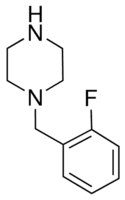
1-(2-Fluorobenzyl)piperazine
C11H15FN2
Chemical Synthesis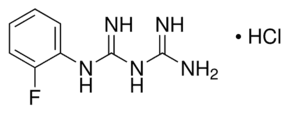
1-(2-Fluorophenyl)biguanide hydrochloride
Chemical Synthesis
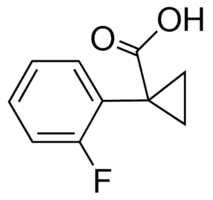
1-(2-Fluorophenyl)cyclopropanecarboxylic acid
C10H9FO2
Chemical Synthesis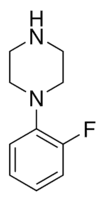
1-(2-Fluorophenyl)piperazine
C10H13FN2
Chemical Synthesis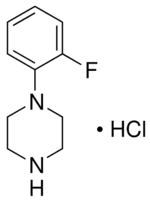
1-(2-Fluorophenyl)piperazine monohydrochloride
C10H13FN2 · HCl
Chemical Synthesis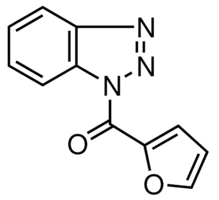
1-(2-Furoyl)-1H-benzotriazole
C11H7N3O2
Chemical Synthesis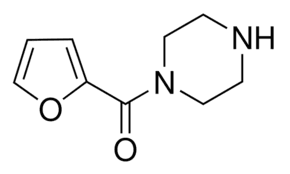
1-(2-Furoyl)piperazine
C9H12N2O2
Chemical Synthesis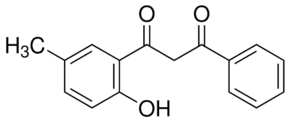
1-(2-Hydroxy-5-methylphenyl)-3-phenyl-1,3-propanedione
Chemical Synthesis
▶ Explore more

Bis(cyclopentadienyl)cobalt(III) hexafluorophosphate
C10H10CoF6P
Catalysis & Inorganic
1-(4-Chlorophenyl)biguanide hydrochloride
ClC6H4NHC(NH)NHC(NH)NH2 · HCl
Chemical Synthesis
Bis(cyclopentadienyl)dimethylzirconium(IV)
Catalysis & Inorganic

1-(4-Chlorophenyl)ethanol
ClC6H4CH(CH3)OH
Chemical Synthesis