Bis[2-(trimethylsilyl)ethyl] N,N-diisopropylphosphoramidite
Bis[2-(trimethylsilyl)ethyl] N,N-diisopropylphosphoramidite (CAS: 121373-20-4) is a specialized phosphitylation agent with the molecular formula C16H40NO2PSi2 and a molecular weight of 365.64. It is primarily utilized in chemical synthesis, particularly within nucleoside chemistry and the preparation of oligonucleotides. This compound serves as a key reagent for introducing phosphite groups, facilitating the construction of complex nucleic acid structures.
- Synonyms
- C16H40NO2PSi2
![Bis[2-(trimethylsilyl)ethyl] N,N-diisopropylphosphoramidite (C16H40NO2PSi2) — chemical structure, CAS 121373-20-4; Chemistry, fine chemical supplied by Tech Serve Solutions](/_next/image?url=https%3A%2F%2Fpub-f4d920c906024441a773a96f7098e551.r2.dev%2Fimages%2Fproducts%2F121373-20-4.png&w=3840&q=75)
Oligonucleotide Synthesis
This phosphoramidite is a crucial reagent for the preparation of oligonucleotides. It enables the efficient phosphitylation of nucleosides, a key step in the solid-phase synthesis of DNA and RNA sequences.
Nucleoside Chemistry
Within nucleoside chemistry, it functions as a versatile phosphitylation agent. It is employed to modify the phosphodiester backbone of nucleosides, contributing to the synthesis of modified nucleic acid analogues.
Chemical Synthesis Reagent
As a coupling reagent, it finds application in general chemical synthesis. Its specific structure allows for controlled phosphitylation reactions in organic chemistry laboratories.
Chemical Biology Research
In chemical biology, this compound supports research into nucleic acid function and structure. Its use in oligonucleotide synthesis aids in the creation of probes and modified nucleic acids for biological studies.
| Molecular weight | 365.64 |
|---|---|
| Empirical formula | C16H40NO2PSi2 |
| Assay | 96% |
| Boiling point | 286.2 - 296.6 °C |
| Density | 0.8887 g/mL at 25 °C |
| Refractive index | n20/D 1.4517 |
| Storage temperature | 2-8°C |
| Application | Phosphitylation agent used in the preparation of oligonucleotides |

Hazard statements
- H315Causes skin irritation
- H319Causes serious eye irritation
- H335May cause respiratory irritation
Precautionary statements
- P261Avoid breathing dust, fume, gas or vapours
- P305IF IN EYES
| Flash point | >110 °C / >230 °F |
|---|---|
| Water hazard class (WGK, DE) | 3 |
| Hazard codes (EU) | Xi |
| Risk statements (R) | 36/37/38 |
| Safety statements (S) | 26 |
Hazard information is provided for guidance. Always consult the product Safety Data Sheet (SDS), available on request, before handling.
Documentation
Every batch ships with a Certificate of Analysis covering assay, identity and purity; the grade is confirmed against your enquiry. Safety Data Sheets and technical data sheets are available on request.
Supply & logistics
Samples for technical evaluation; bulk MOQ by grade and packaging. In-stock material ships in 7–10 working days, worldwide, with full export documentation.
What is Bis[2-(trimethylsilyl)ethyl] N,N-diisopropylphosphoramidite used for?
+
Bis[2-(trimethylsilyl)ethyl] N,N-diisopropylphosphoramidite is primarily used as a phosphitylation agent in the preparation of oligonucleotides and within nucleoside chemistry. It facilitates the introduction of phosphite groups during the synthesis of nucleic acid structures.
What are the CAS number and formula for Bis[2-(trimethylsilyl)ethyl] N,N-diisopropylphosphoramidite?
+
The CAS number is 121373-20-4, and its empirical formula (hill notation) is C16H40NO2PSi2.
What grade and purity does Tech Serve Solutions supply?
+
Tech Serve Solutions supplies Bis[2-(trimethylsilyl)ethyl] N,N-diisopropylphosphoramidite with a minimum assay of 96%. This product is intended for research and chemical synthesis purposes and is not represented as USP, BP, EP, or pharmacopoeia grade.
How should Bis[2-(trimethylsilyl)ethyl] N,N-diisopropylphosphoramidite be handled?
+
This compound is classified as a Warning with hazards including skin irritation (H315), serious eye irritation (H319), and respiratory irritation (H335). Handle with appropriate personal protective equipment, ensuring good ventilation. Avoid breathing dust/fume/gas/mist/vapours/spray. In case of contact with eyes, rinse cautiously with water for several minutes and remove contact lenses if present and easy to do. Continue rinsing.
How is this chemical shipped or exported?
+
Tech Serve Solutions exports fine chemicals globally. Specific shipping and handling procedures for Bis[2-(trimethylsilyl)ethyl] N,N-diisopropylphosphoramidite adhere to international regulations for chemical transport.
How can I request a sample or quote?
+
To request a sample or a quotation for Bis[2-(trimethylsilyl)ethyl] N,N-diisopropylphosphoramidite, please contact our sales team through the TSS website or via direct inquiry, providing your specific requirements.
▶ Related products
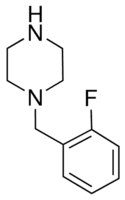
1-(2-Fluorobenzyl)piperazine
C11H15FN2
Chemical Synthesis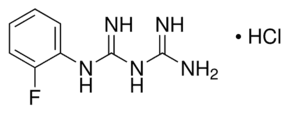
1-(2-Fluorophenyl)biguanide hydrochloride
Chemical Synthesis
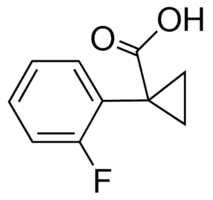
1-(2-Fluorophenyl)cyclopropanecarboxylic acid
C10H9FO2
Chemical Synthesis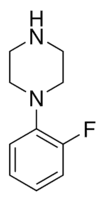
1-(2-Fluorophenyl)piperazine
C10H13FN2
Chemical Synthesis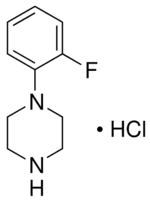
1-(2-Fluorophenyl)piperazine monohydrochloride
C10H13FN2 · HCl
Chemical Synthesis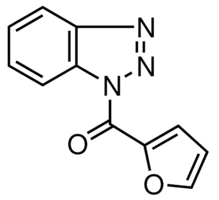
1-(2-Furoyl)-1H-benzotriazole
C11H7N3O2
Chemical Synthesis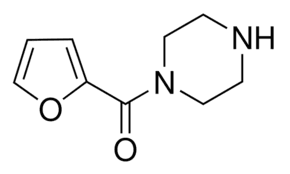
1-(2-Furoyl)piperazine
C9H12N2O2
Chemical Synthesis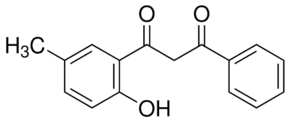
1-(2-Hydroxy-5-methylphenyl)-3-phenyl-1,3-propanedione
Chemical Synthesis