
(+)-Bicuculline
(+)-Bicuculline (CAS: 485-49-4, C20H17NO6) is a specific alkaloid known for its action as a competitive antagonist of GABA-A receptors. This highly specific action makes it a valuable tool in neuroscience research. It is primarily used in pharmacological studies to investigate the role of GABAergic neurotransmission in various physiological and pathological processes, offering insights into brain function and potential therapeutic targets. Its precise chemical structure and defined activity are crucial for reproducible experimental outcomes.

Neuroscience Research
(+)-Bicuculline is extensively used in neuroscience to block GABA-A receptors, thereby inhibiting inhibitory neurotransmission. This allows researchers to study the effects of reduced inhibition on neuronal activity, network oscillations, and behaviour in experimental models.
Pharmacological Tool
As a selective GABA-A receptor antagonist, it serves as a critical pharmacological tool to probe the functional significance of GABAergic systems. It aids in understanding conditions where GABAergic signalling is implicated, such as epilepsy, anxiety, and schizophrenia.
Electrophysiology Studies
Researchers employ (+)-Bicuculline in electrophysiological experiments to modulate neuronal excitability and investigate synaptic plasticity. Its ability to reversibly block inhibitory postsynaptic potentials provides essential data on neural circuit dynamics.
| Molecular weight | 367.35 |
|---|---|
| Empirical formula | C20H17NO6 |
| Assay | ≥97.0% (TLC) |
| Optical activity | [α]20/D +126±6°, c = 1% in chloroform |
| Melting point | 193-197 °C |


Hazard statements
- H300Fatal if swallowed
- H311Toxic in contact with skin
- H400Very toxic to aquatic life
Precautionary statements
- P261Avoid breathing dust, fume, gas or vapours
- P264Wash thoroughly after handling
- P273Avoid release to the environment
- P280Wear protective gloves, clothing and eye/face protection
- P301IF SWALLOWED
- P311Call a POISON CENTER or doctor
| Protective equipment | Eyeshields, Faceshields, Gloves, type P2 (EN 143) respirator cartridges |
|---|---|
| Transport (UN / ADR) | UN 1544PSN1 6.1 / PGII |
| Water hazard class (WGK, DE) | 3 |
| Hazard codes (EU) | T,N |
| Risk statements (R) | 23/24/25-50 |
| Safety statements (S) | 36/37-45-61 |
Hazard information is provided for guidance. Always consult the product Safety Data Sheet (SDS), available on request, before handling.
Documentation
Every batch ships with a Certificate of Analysis covering assay, identity and purity; the grade is confirmed against your enquiry. Safety Data Sheets and technical data sheets are available on request.
Supply & logistics
Samples for technical evaluation; bulk MOQ by grade and packaging. In-stock material ships in 7–10 working days, worldwide, with full export documentation.
What is (+)-Bicuculline used for?
+
(+)-Bicuculline is used primarily in neuroscience and pharmacological research as a selective antagonist of GABA-A receptors to investigate the role of inhibitory neurotransmission in the central nervous system.
What are the CAS number and molecular formula for (+)-Bicuculline?
+
The CAS number for (+)-Bicuculline is 485-49-4, and its molecular formula is C20H17NO6.
What grade and purity does Tech Serve Solutions supply?
+
Tech Serve Solutions supplies (+)-Bicuculline with an assay of ≥97.0% (TLC). This product is intended for research and laboratory use. TSS does not represent this product as USP, BP, EP, or pharmacopoeia grade.
How should (+)-Bicuculline be handled safely?
+
(+)-Bicuculline is a highly toxic substance marked with GHS06 and GHS09 symbols. It is classified as Danger, with hazard statements including H300 (Fatal if swallowed), H311 + H331 (Toxic in contact with skin and toxic if inhaled), and H400 (Very toxic to aquatic life). Appropriate personal protective equipment, including eyeshields, face shields, gloves, and P2 respirator cartridges, must be used. Handle in a well-ventilated area or fume hood, avoiding all contact and release into the environment. Strict adherence to safety protocols is essential.
Is (+)-Bicuculline a controlled substance?
+
The provided data does not indicate that (+)-Bicuculline is a controlled substance in a manner that would restrict its sale for research purposes.
How is (+)-Bicuculline packed and shipped?
+
(+)-Bicuculline is shipped as a hazardous material under UN 1544, Packing Group II, Class 6.1. TSS ensures compliance with all regulations for its export and transport.
How can I request a quote or sample?
+
To request a quote or sample of (+)-Bicuculline, please contact our sales department through the website or via direct inquiry, providing your contact details and the quantity required.
▶ Related products
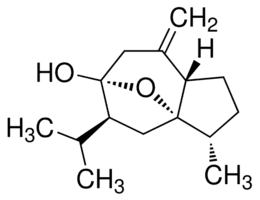
(−)-Curcumol
C15H24O2
Cell Biology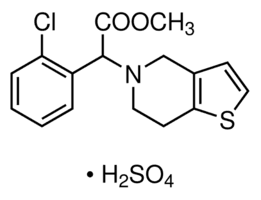
(±) Clopidogrel hydrogensulfate
Cell Biology
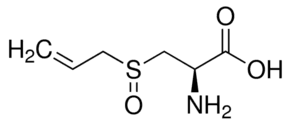
(±)-L-Alliin
C6H11NO3S
Cell Biology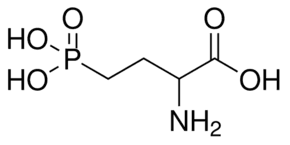
(±)-2-Amino-4-phosphonobutyric acid
C4H10NO5P
Cell Biology
(±)-2-Methylarachidonoyl-2′-fluoroethylamide
C23H38NOF
Cell Biology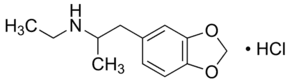
(±)-3,4-Methylenedioxy-N-ethylamphetamine hydrochloride
Cell Biology
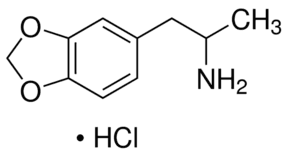
(±)-3,4-Methylenedioxyamphetamine hydrochloride
Cell Biology
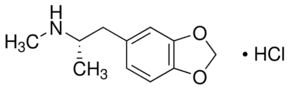
(±)-3,4-Methylenedioxymethamphetamine hydrochloride
Cell Biology
▶ Explore more

Bis(cyclopentadienyl)cobalt(III) hexafluorophosphate
C10H10CoF6P
Catalysis & Inorganic
1-(4-Chlorophenyl)biguanide hydrochloride
ClC6H4NHC(NH)NHC(NH)NH2 · HCl
Chemical Synthesis
Bis(cyclopentadienyl)dimethylzirconium(IV)
Catalysis & Inorganic

1-(4-Chlorophenyl)ethanol
ClC6H4CH(CH3)OH
Chemical Synthesis