
Benzyl 4-hydroxy-1-piperidinecarboxylate
Benzyl 4-hydroxy-1-piperidinecarboxylate (CAS 95798-23-5, C13H17NO3) is a key chemical building block with a molecular weight of 235.28 g/mol. This piperidine derivative serves as a valuable reactant in the synthesis of various complex organic molecules. Its applications include the development of P2Y12 antagonists for platelet aggregation inhibition, novel oxazolidinone-quinolone hybrids with antibacterial properties, and molecular rods.
- IUPAC
- 1-(Benzyloxycarbonyl)-4-piperidinol
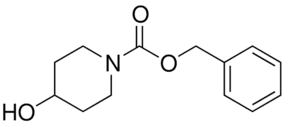
Synthesis of P2Y12 Antagonists
Utilised as a reactant in the synthesis of orally bioavailable P2Y12 antagonists. These compounds are designed to inhibit platelet aggregation, offering potential therapeutic applications in cardiovascular medicine.
Development of Piperidine Derivatives
Serves as a foundational building block for creating diverse piperidine derivatives. This is crucial in medicinal chemistry for exploring new therapeutic agents and functional molecules.
Construction of Molecular Rods
Employed in the synthesis of molecular rods, which are linear, rigid molecules used in supramolecular chemistry and materials science for constructing complex architectures.
Preparation of Oxazolidinone-Quinolone Hybrids
Acts as a reactant in the preparation of hybrid molecules combining oxazolidinone and quinolone structures. Research into these hybrids aims to identify compounds with significant antibacterial activity.
Synthesis of Cyclic Prodrugs
Used in the synthesis of cyclic prodrugs, specifically RGD peptidomimetics. This application is relevant for targeted drug delivery and enhanced therapeutic efficacy.
Oxidation Reactions
Functions as a reactant in the oxidation of alcohols. This demonstrates its utility in general organic synthesis for functional group transformations.
| Molecular weight | 235.28 |
|---|---|
| Empirical formula | C13H17NO3 |
| Assay | 97% |
| Boiling point | 167 °C/0.2 mmHg(lit.) |
| Density | 1.554 g/mL at 25 °C(lit.) |
| Refractive index | n20/D 1.543(lit.) |
| Application | Reactant for synthesis of: Orally bioavailable P2Y12 antagonists for inhibition of platelet aggregation1 Piperidine derivatives2 Molecular rods3 Oxazolidinone-quinolone hybrids and their antibacterial activity4 Cyclic prodrug of RGD peptidomimetic5Reactant for oxidation of alcohols6 |

Hazard statements
- H315Causes skin irritation
- H319Causes serious eye irritation
- H335May cause respiratory irritation
Precautionary statements
- P261Avoid breathing dust, fume, gas or vapours
- P305IF IN EYES
| Protective equipment | Eyeshields, full-face respirator (US), Gloves, multi-purpose combination respirator cartridge (US), type ABEK (EN14387) respirator filter |
|---|---|
| Flash point | 110 °C / 230 °F |
| Water hazard class (WGK, DE) | 3 |
| Hazard codes (EU) | Xi |
| Risk statements (R) | 36/37/38 |
| Safety statements (S) | 26-36 |
Hazard information is provided for guidance. Always consult the product Safety Data Sheet (SDS), available on request, before handling.
Documentation
Every batch ships with a Certificate of Analysis covering assay, identity and purity; the grade is confirmed against your enquiry. Safety Data Sheets and technical data sheets are available on request.
Supply & logistics
Samples for technical evaluation; bulk MOQ by grade and packaging. In-stock material ships in 7–10 working days, worldwide, with full export documentation.
What is Benzyl 4-hydroxy-1-piperidinecarboxylate used for?
+
Benzyl 4-hydroxy-1-piperidinecarboxylate is used as a reactant in the synthesis of P2Y12 antagonists for inhibiting platelet aggregation, piperidine derivatives, molecular rods, oxazolidinone-quinolone hybrids with antibacterial activity, and cyclic prodrugs of RGD peptidomimetics. It is also used in the oxidation of alcohols.
What are the CAS number and formula for Benzyl 4-hydroxy-1-piperidinecarboxylate?
+
The CAS number is 95798-23-5 and the empirical formula is C13H17NO3.
What grade and purity does Tech Serve Solutions supply for Benzyl 4-hydroxy-1-piperidinecarboxylate?
+
Tech Serve Solutions supplies Benzyl 4-hydroxy-1-piperidinecarboxylate with an assay of 97%. This product is supplied for research and chemical synthesis purposes and is not represented as USP, BP, EP, or any other pharmacopoeia grade.
How should Benzyl 4-hydroxy-1-piperidinecarboxylate be handled safely?
+
Benzyl 4-hydroxy-1-piperidinecarboxylate is a warning substance, causing skin irritation (H315), serious eye irritation (H319), and respiratory irritation (H335). Handle with appropriate personal protective equipment, including eyeshields and gloves. Ensure adequate ventilation or use a respirator. Avoid breathing dust/fume/gas/mist/vapours/spray. In case of eye contact, rinse cautiously with water for several minutes and remove contact lenses if present and easy to do. Continue rinsing.
Is Benzyl 4-hydroxy-1-piperidinecarboxylate available for international export?
+
Yes, Tech Serve Solutions is a specialist global supplier and exporter of fine chemicals and can export Benzyl 4-hydroxy-1-piperidinecarboxylate internationally.
How can I request a quote or sample for Benzyl 4-hydroxy-1-piperidinecarboxylate?
+
To request a quote or sample, please contact our sales team through the website or by phone. Specify the product name and CAS number (95798-23-5) in your inquiry.
▶ Related products
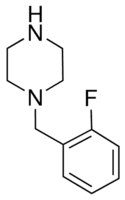
1-(2-Fluorobenzyl)piperazine
C11H15FN2
Chemical Synthesis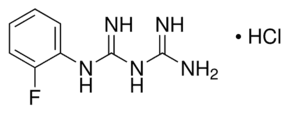
1-(2-Fluorophenyl)biguanide hydrochloride
Chemical Synthesis
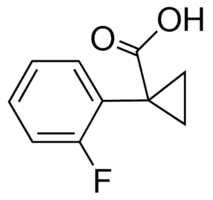
1-(2-Fluorophenyl)cyclopropanecarboxylic acid
C10H9FO2
Chemical Synthesis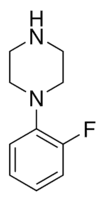
1-(2-Fluorophenyl)piperazine
C10H13FN2
Chemical Synthesis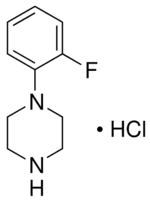
1-(2-Fluorophenyl)piperazine monohydrochloride
C10H13FN2 · HCl
Chemical Synthesis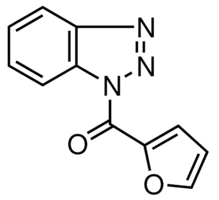
1-(2-Furoyl)-1H-benzotriazole
C11H7N3O2
Chemical Synthesis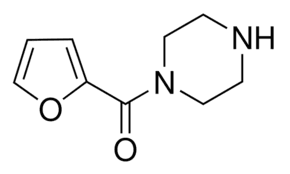
1-(2-Furoyl)piperazine
C9H12N2O2
Chemical Synthesis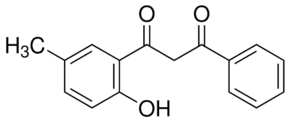
1-(2-Hydroxy-5-methylphenyl)-3-phenyl-1,3-propanedione
Chemical Synthesis
▶ Explore more

Bis(cyclopentadienyl)cobalt(III) hexafluorophosphate
C10H10CoF6P
Catalysis & Inorganic
1-(4-Chlorophenyl)biguanide hydrochloride
ClC6H4NHC(NH)NHC(NH)NH2 · HCl
Chemical Synthesis
Bis(cyclopentadienyl)dimethylzirconium(IV)
Catalysis & Inorganic

1-(4-Chlorophenyl)ethanol
ClC6H4CH(CH3)OH
Chemical Synthesis