Benzene-1,4-diboronic acid
Benzene-1,4-diboronic acid (CAS: 4612-26-4) is a crucial organic compound with the molecular formula C6H4[B(OH)2]2 and a molecular weight of 165.75 g/mol. Supplied by Tech Serve Solutions with an assay of ≥95.0%, this aryl boronic acid serves as a versatile reagent in various synthetic pathways. Its applications span cross-coupling reactions, polymerisation processes, and the development of advanced materials for optoelectronic devices.
- IUPAC
- 1,4-Phenylenebisboronic acid,1,4-Phenylenediboronic acid,p-Benzenediboronic acid,p-Phenylenediboronic acid,Benzene-1,4-diboronic acid,NSC 25410
- Synonyms
- 1,4-Phenylenebisboronic acid1,4-Phenylenediboronic acidp-Benzenediboronic acidp-Phenylenediboronic acidNSC 25410
![Benzene-1,4-diboronic acid (C6H4[B(OH)2]2) — chemical structure, CAS 4612-26-4; Chemistry, fine chemical supplied by Tech Serve Solutions](/_next/image?url=https%3A%2F%2Fpub-f4d920c906024441a773a96f7098e551.r2.dev%2Fimages%2Fproducts%2F4612-26-4.png&w=3840&q=75)
Suzuki-Miyaura Cross-Coupling Reactions
Benzene-1,4-diboronic acid is a key building block in palladium-catalyzed Suzuki-Miyaura cross-coupling reactions. This enables the formation of carbon-carbon bonds, facilitating the synthesis of complex organic molecules, including indolizine derivatives for OLED applications.
Polymerisation and Material Science
This compound is utilised in externally initiated Kumada catalyst-transfer polycondensation and RAFT polymerization. It plays a role in preparing crosslinkers, coordination polymers with fluorescence properties, and materials for energy transfer in optoelectronic devices.
Scholl Cyclizations and Organic Synthesis
Benzene-1,4-diboronic acid is employed in Scholl cyclizations, a method for forming new carbon-carbon bonds. It also participates in palladium-catalyzed sequential alkenylation and conjugate addition reactions, expanding its utility in sophisticated organic synthesis.
Preparation of Advanced Materials
The reagent is instrumental in synthesising unique structures such as cyclotricatechylene-based porous crystalline materials for gas storage and helically p-stacked thiophene-based copolymers exhibiting circularly polarized fluorescence.
| Molecular weight | 165.75 |
|---|---|
| Linear formula | C6H4[B(OH)2]2 |
| Assay | ≥95.0% |
| Application | Reagent used for• Externally initiated Kumada catalyst-transfer polycondensation1 • Suzuki-Miyaura cross-coupling reactions2 • Energy transfer processes in optoelectronic devices3 • Palladium-catalyzed sequential alkenylation and conjugate addition reactions4 • Scholl cyclizations5 Reagent used in Preparation of• Crosslinkers and cross-linked core-shell nanoparticles by RAFT polymerization and palladium-catalyzed Suzuki coupling reaction6 • Fluorescence and solution-processable coordination polymers7 • Cyclotricatechylene based porous crystalline material for gas storage8 • Indolizine derivatives as OLEDs2 • Helically p-stacked thiophene-based copolymers with circularly polarized fluorescence9 • Novel organi |
| Melting point | >350 °C(lit.) |

Hazard statements
- H302Harmful if swallowed
| Protective equipment | dust mask type N95 (US), Eyeshields, Gloves |
|---|---|
| Water hazard class (WGK, DE) | 3 |
| Hazard codes (EU) | Xn |
| Risk statements (R) | 22 |
| Safety statements (S) | 36 |
Hazard information is provided for guidance. Always consult the product Safety Data Sheet (SDS), available on request, before handling.
Documentation
Every batch ships with a Certificate of Analysis covering assay, identity and purity; the grade is confirmed against your enquiry. Safety Data Sheets and technical data sheets are available on request.
Supply & logistics
Samples for technical evaluation; bulk MOQ by grade and packaging. In-stock material ships in 7–10 working days, worldwide, with full export documentation.
What are the primary applications of Benzene-1,4-diboronic acid?
+
Benzene-1,4-diboronic acid is used as a reagent in externally initiated Kumada catalyst-transfer polycondensation, Suzuki-Miyaura cross-coupling reactions, energy transfer processes in optoelectronic devices, palladium-catalyzed sequential alkenylation and conjugate addition reactions, and Scholl cyclizations. It is also used in the preparation of crosslinkers, nanoparticles, fluorescence polymers, and porous crystalline materials.
What is the CAS number and molecular formula for Benzene-1,4-diboronic acid?
+
The CAS number for Benzene-1,4-diboronic acid is 4612-26-4, and its linear molecular formula is C6H4[B(OH)2]2.
What grade and purity does Tech Serve Solutions supply?
+
Tech Serve Solutions supplies Benzene-1,4-diboronic acid with a minimum purity of 95.0%. This product is supplied for research and chemical synthesis purposes and is not represented as USP, BP, EP, or pharmaceutical grade.
What are the safety precautions when handling Benzene-1,4-diboronic acid?
+
Benzene-1,4-diboronic acid is classified with the GHS hazard statement H302 (Harmful if swallowed). Appropriate personal protective equipment, including a dust mask (type N95 or equivalent), eyeshields, and gloves, should be worn. Handle in a well-ventilated area to avoid dust inhalation.
How is Benzene-1,4-diboronic acid packed, shipped, and exported?
+
Tech Serve Solutions expertly handles the packing, shipping, and global export of Benzene-1,4-diboronic acid, adhering to all necessary regulations for chemical transport.
How can I request a sample or a quote for Benzene-1,4-diboronic acid?
+
To request a sample or obtain a quotation for Benzene-1,4-diboronic acid, please contact our sales team through the website or direct email, providing your specific requirements.
▶ Related products
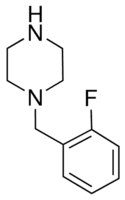
1-(2-Fluorobenzyl)piperazine
C11H15FN2
Chemical Synthesis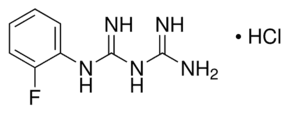
1-(2-Fluorophenyl)biguanide hydrochloride
Chemical Synthesis
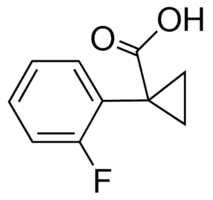
1-(2-Fluorophenyl)cyclopropanecarboxylic acid
C10H9FO2
Chemical Synthesis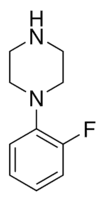
1-(2-Fluorophenyl)piperazine
C10H13FN2
Chemical Synthesis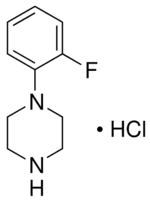
1-(2-Fluorophenyl)piperazine monohydrochloride
C10H13FN2 · HCl
Chemical Synthesis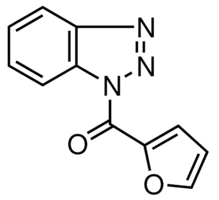
1-(2-Furoyl)-1H-benzotriazole
C11H7N3O2
Chemical Synthesis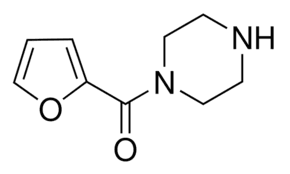
1-(2-Furoyl)piperazine
C9H12N2O2
Chemical Synthesis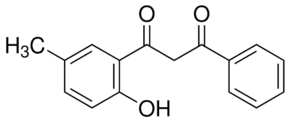
1-(2-Hydroxy-5-methylphenyl)-3-phenyl-1,3-propanedione
Chemical Synthesis