
Bathocuproine
Bathocuproine (CAS: 4733-39-5), a nitrogen-containing heterocyclic compound with the formula C26H20N2 and a molecular weight of 360.45 g/mol, is primarily utilised in materials science. Its properties make it suitable for applications in organic electronics, particularly as an electron transport and hole blocking material in OLED and PLED devices. Available at an assay of 96%, Bathocuproine serves as a key building block in advanced chemical synthesis.
- IUPAC
- 2,9-Dimethyl-4,7-diphenyl-1,10-phenanthroline,BCP

OLED and PLED Materials
Bathocuproine functions as an electron transport and hole blocking layer in Organic Light-Emitting Diodes (OLEDs) and Polymer Light-Emitting Diodes (PLEDs). Its inclusion can improve device efficiency and stability by managing charge carrier movement.
Organic Photovoltaic (OPV) Materials
This compound is employed in the development of organic photovoltaic cells, contributing to the efficient conversion of light into electricity. It aids in charge separation and transport within the active layer of OPVs.
Chemical Synthesis Building Block
As a heterocyclic building block, Bathocuproine is valuable in organic synthesis for creating more complex molecules. Its specific structure allows for targeted chemical modifications in research and development.
Materials Science Research
Bathocuproine is widely studied in materials science for its unique electronic and photophysical properties. It is used in the fabrication of various organic electronic devices beyond OLEDs and OPVs.
| Molecular weight | 360.45 |
|---|---|
| Empirical formula | C26H20N2 |
| Assay | 96% |
| Melting point | 279-283 °C(lit.) |

Hazard statements
- H302Harmful if swallowed
- H413May cause long-lasting harmful effects to aquatic life
| Protective equipment | dust mask type N95 (US), Eyeshields, Faceshields, Gloves |
|---|---|
| Water hazard class (WGK, DE) | 3 |
| Hazard codes (EU) | Xn |
| Risk statements (R) | 22 |
Hazard information is provided for guidance. Always consult the product Safety Data Sheet (SDS), available on request, before handling.
| Absorption | λmax 280 nm in methanol |
|---|---|
| Orbital Energy | HOMO 7 eV LUMO 3.5 eV |
Documentation
Every batch ships with a Certificate of Analysis covering assay, identity and purity; the grade is confirmed against your enquiry. Safety Data Sheets and technical data sheets are available on request.
Supply & logistics
Samples for technical evaluation; bulk MOQ by grade and packaging. In-stock material ships in 7–10 working days, worldwide, with full export documentation.
What is Bathocuproine used for?
+
Bathocuproine is primarily used as an electron transport and hole blocking material in OLEDs and PLEDs, as well as in organic photovoltaics (OPVs). It also serves as a valuable building block in chemical synthesis and materials science research.
What are the CAS number and formula for Bathocuproine?
+
The CAS number for Bathocuproine is 4733-39-5 and its empirical formula is C26H20N2.
What grade and purity does Tech Serve Solutions supply?
+
Tech Serve Solutions supplies Bathocuproine with an assay of 96%. We do not represent this product as USP, BP, EP, or other pharmacopoeia grades unless explicitly stated in the product data.
How should Bathocuproine be handled safely?
+
Bathocuproine is classified as harmful if swallowed (H302) and may cause long lasting harmful effects to aquatic life (H413). Handle with appropriate personal protective equipment including a dust mask (type N95), eyeshields, face shields, and gloves. Ensure adequate ventilation.
How is Bathocuproine typically packed and shipped?
+
Bathocuproine is carefully packed for shipment to ensure product integrity during transit. As a global supplier, Tech Serve Solutions adheres to all necessary regulations for exporting chemical products worldwide.
How can I request a quote or sample of Bathocuproine?
+
To request a quote or a sample of Bathocuproine, please contact our sales team through the website or via direct inquiry. Our team will be pleased to assist you with your specific requirements.
▶ Related products
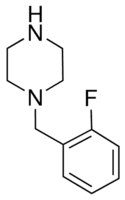
1-(2-Fluorobenzyl)piperazine
C11H15FN2
Chemical Synthesis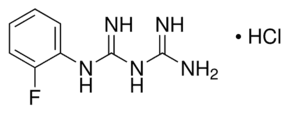
1-(2-Fluorophenyl)biguanide hydrochloride
Chemical Synthesis
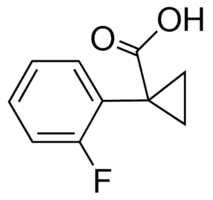
1-(2-Fluorophenyl)cyclopropanecarboxylic acid
C10H9FO2
Chemical Synthesis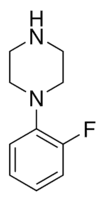
1-(2-Fluorophenyl)piperazine
C10H13FN2
Chemical Synthesis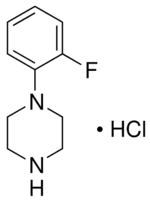
1-(2-Fluorophenyl)piperazine monohydrochloride
C10H13FN2 · HCl
Chemical Synthesis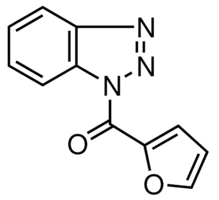
1-(2-Furoyl)-1H-benzotriazole
C11H7N3O2
Chemical Synthesis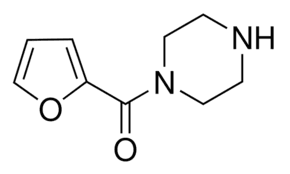
1-(2-Furoyl)piperazine
C9H12N2O2
Chemical Synthesis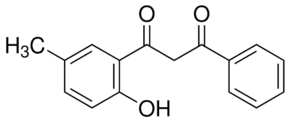
1-(2-Hydroxy-5-methylphenyl)-3-phenyl-1,3-propanedione
Chemical Synthesis
▶ Explore more

Bis(cyclopentadienyl)cobalt(III) hexafluorophosphate
C10H10CoF6P
Catalysis & Inorganic
1-(4-Chlorophenyl)biguanide hydrochloride
ClC6H4NHC(NH)NHC(NH)NH2 · HCl
Chemical Synthesis
Bis(cyclopentadienyl)dimethylzirconium(IV)
Catalysis & Inorganic

1-(4-Chlorophenyl)ethanol
ClC6H4CH(CH3)OH
Chemical Synthesis